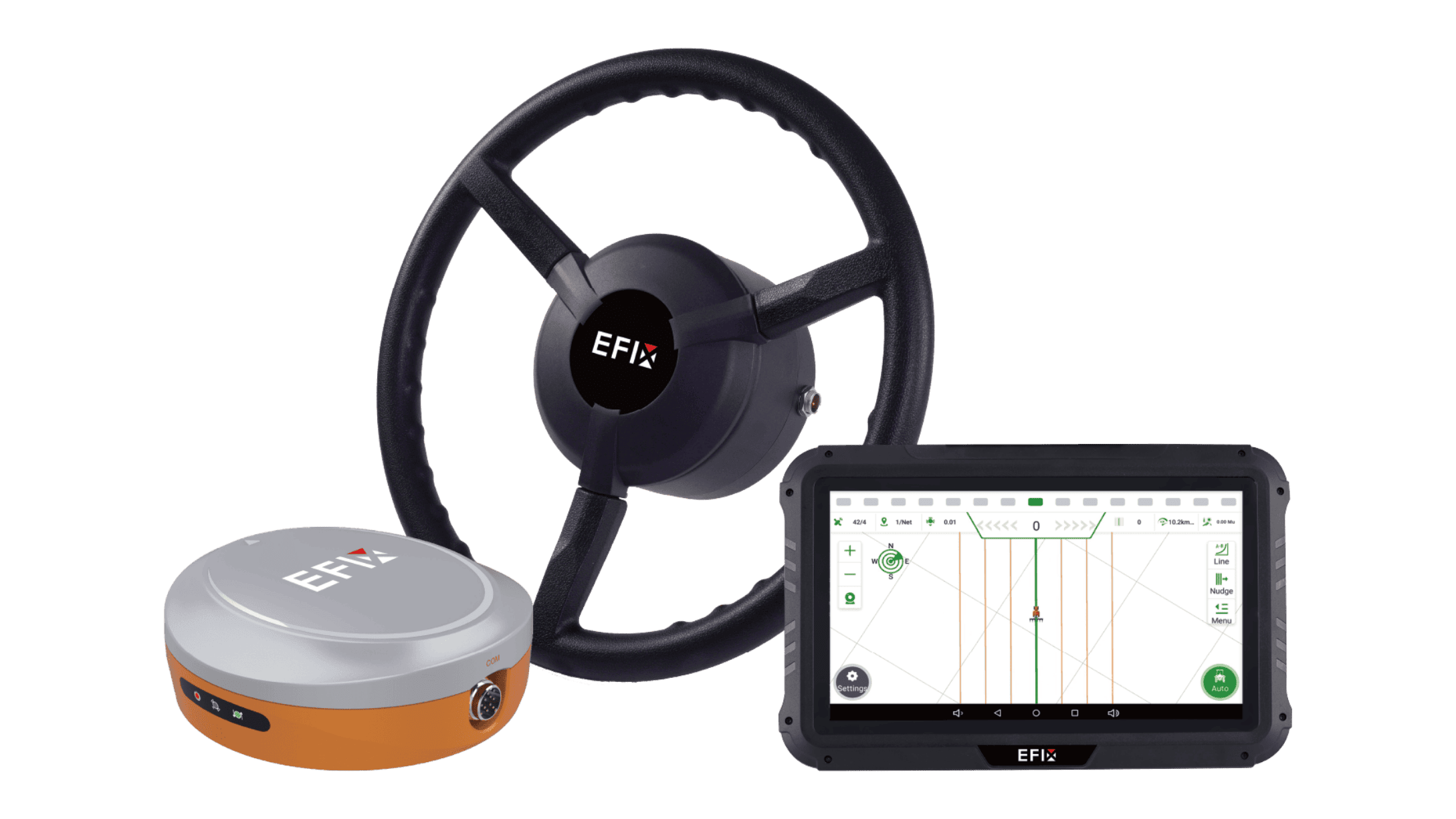
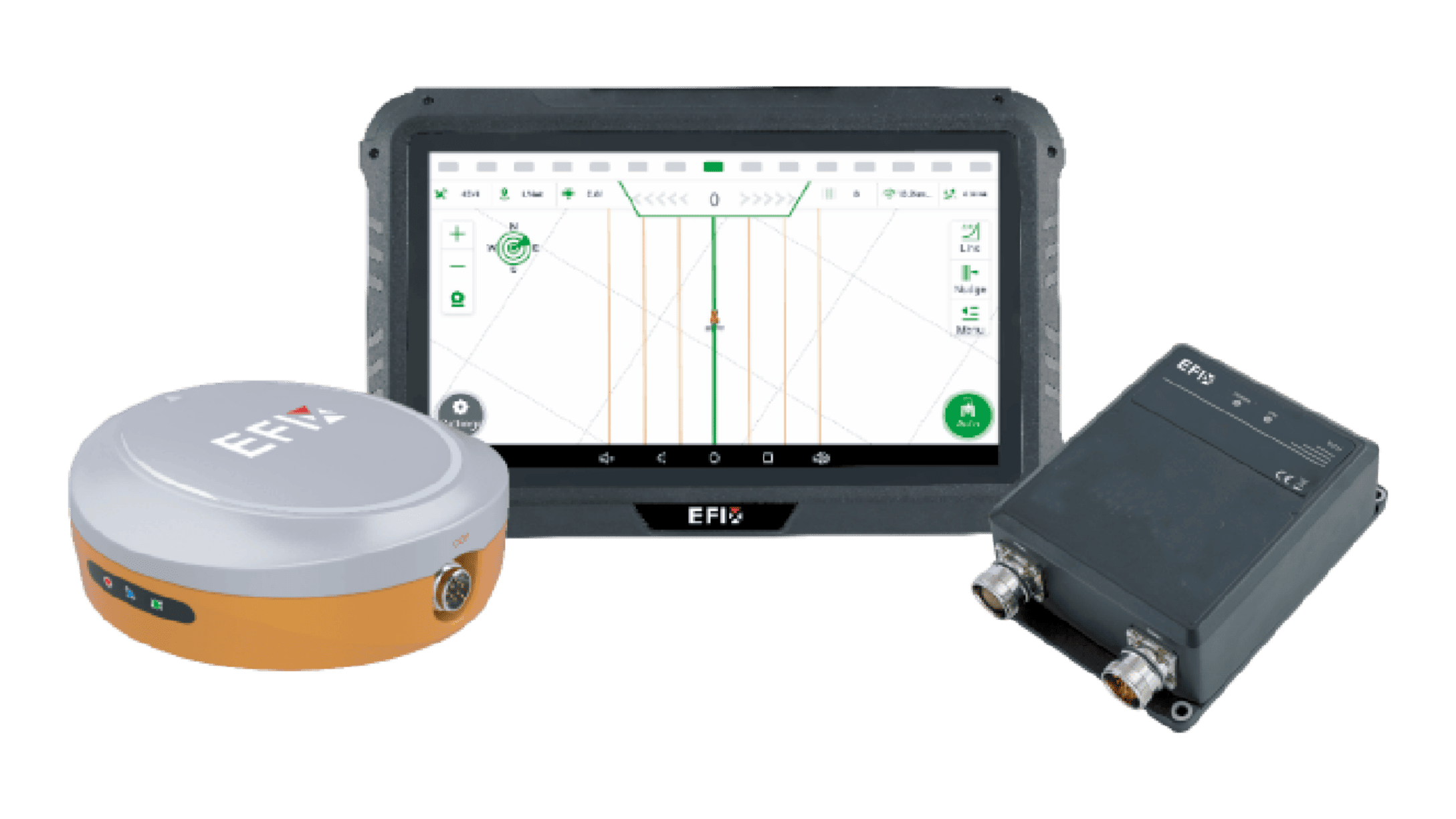
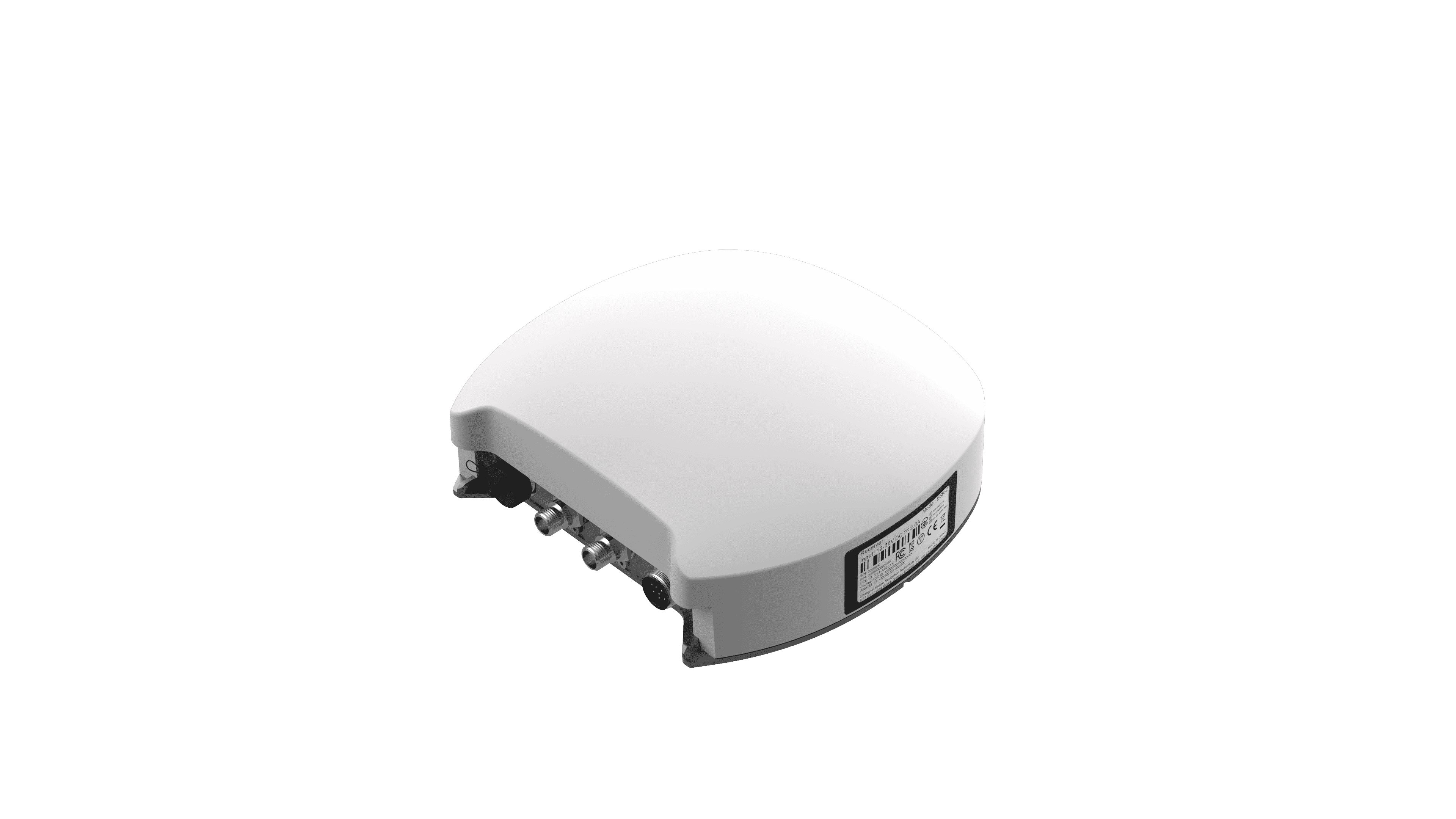
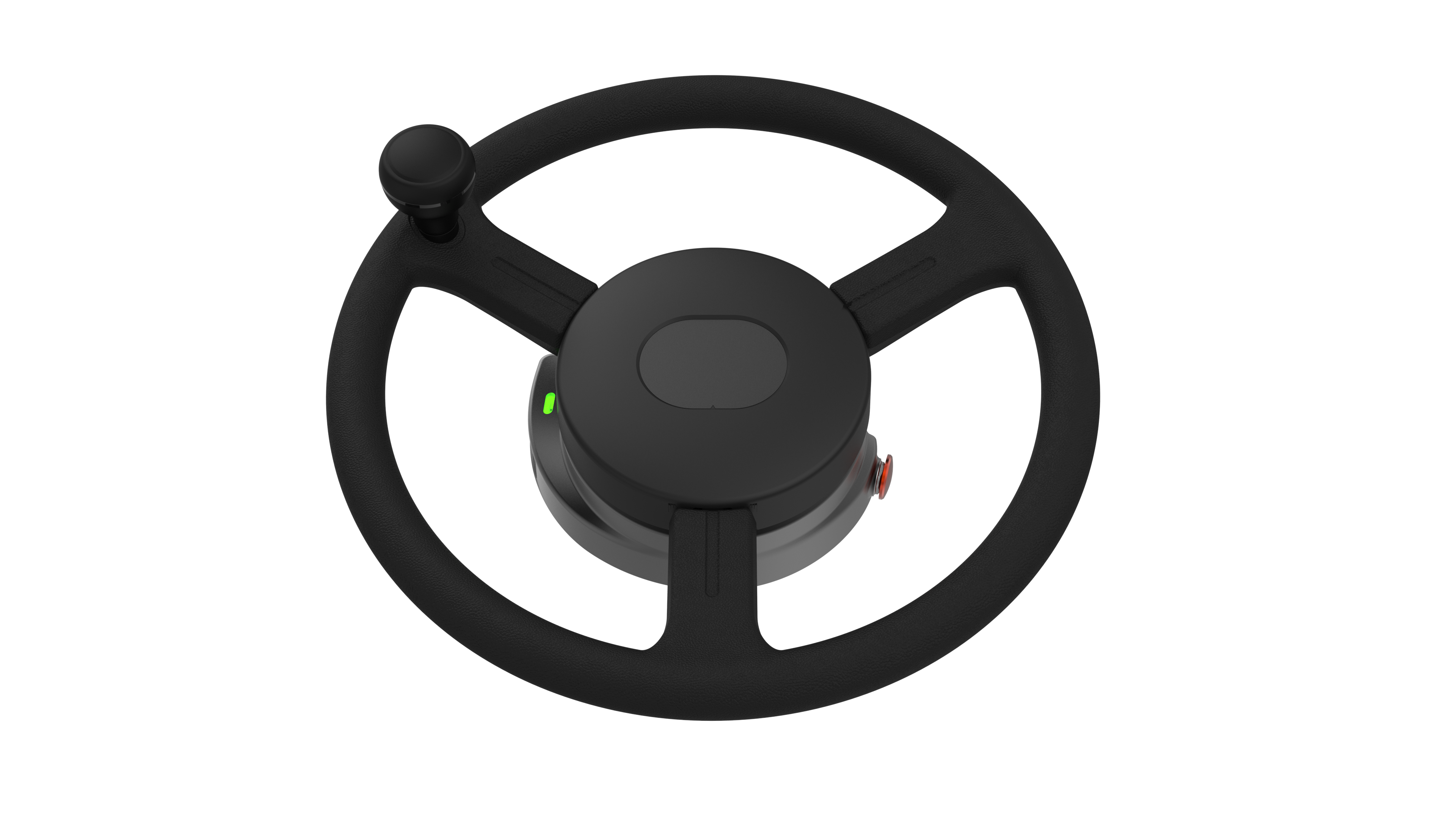
help operators maintain consistent machine paths, reduce steering workload, and improve efficiency during repetitive field tasks. However, there are also factors to consider, including cost, setup, compatibility, and field conditions. Understanding both the advantages and limitations can help farmers decide whether this technology fits their operations. At EFIX, we believe agricultural technology should be selected based on real field needs rather than simply choosing the most advanced option available.
The Main Benefits of Auto Steering
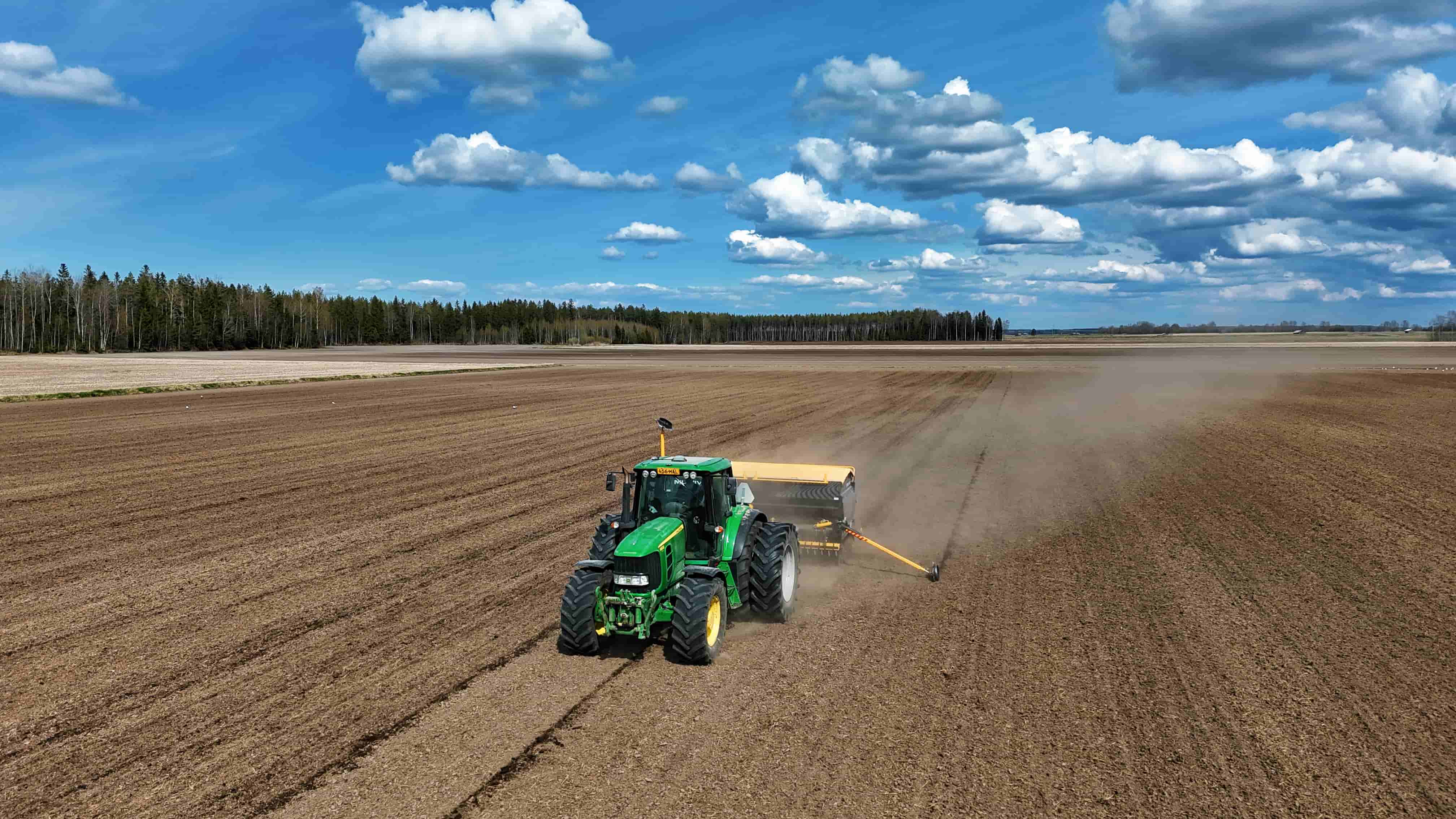
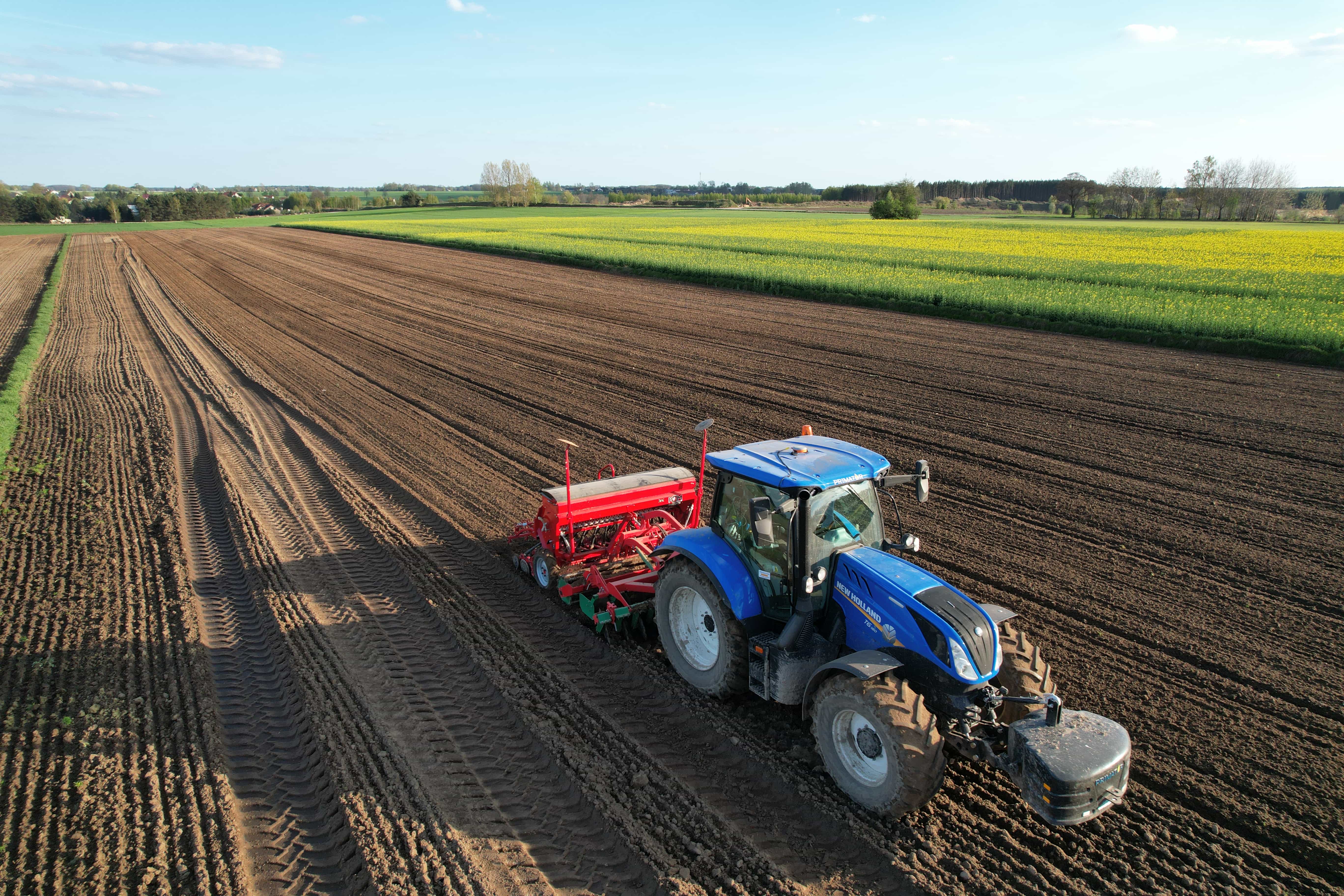
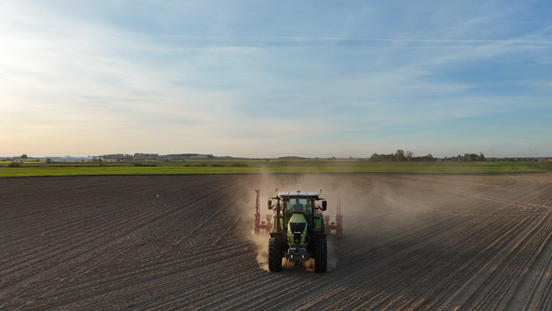
One of the biggest advantages of automated steering is consistency. A system can help a machine follow a planned route with less manual steering input. This can be useful during long working hours, especially for planting, spraying, and cultivation. More consistent passes may also reduce unnecessary overlap and make better use of field space. Another benefit is reduced operator workload. Farmers can spend less time making constant steering adjustments and focus more on monitoring the equipment and working conditions. The value of an auto steering system is therefore not only about automation. It is also about creating a more consistent and manageable workflow for daily field operations.
Potential Limitations to Consider
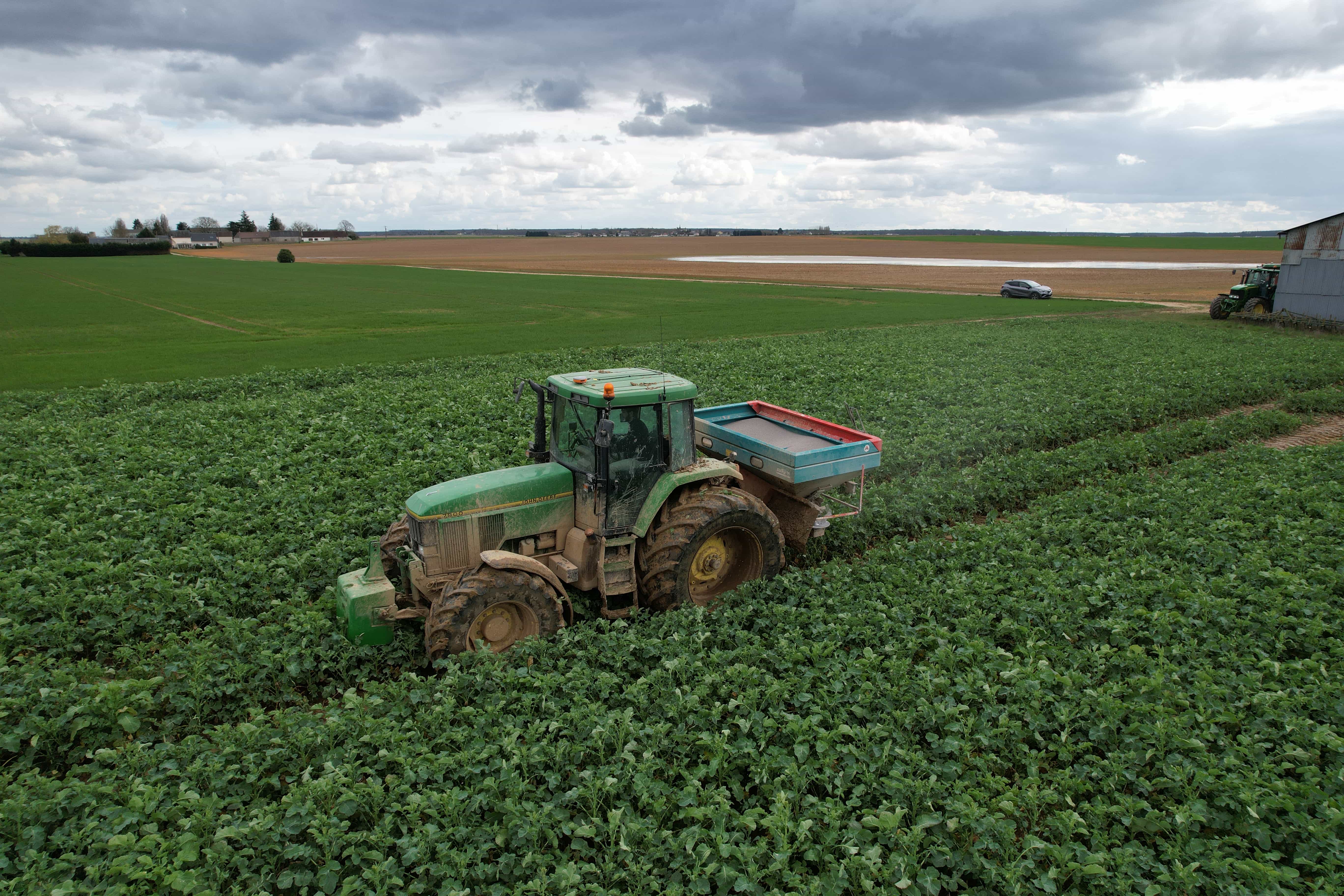
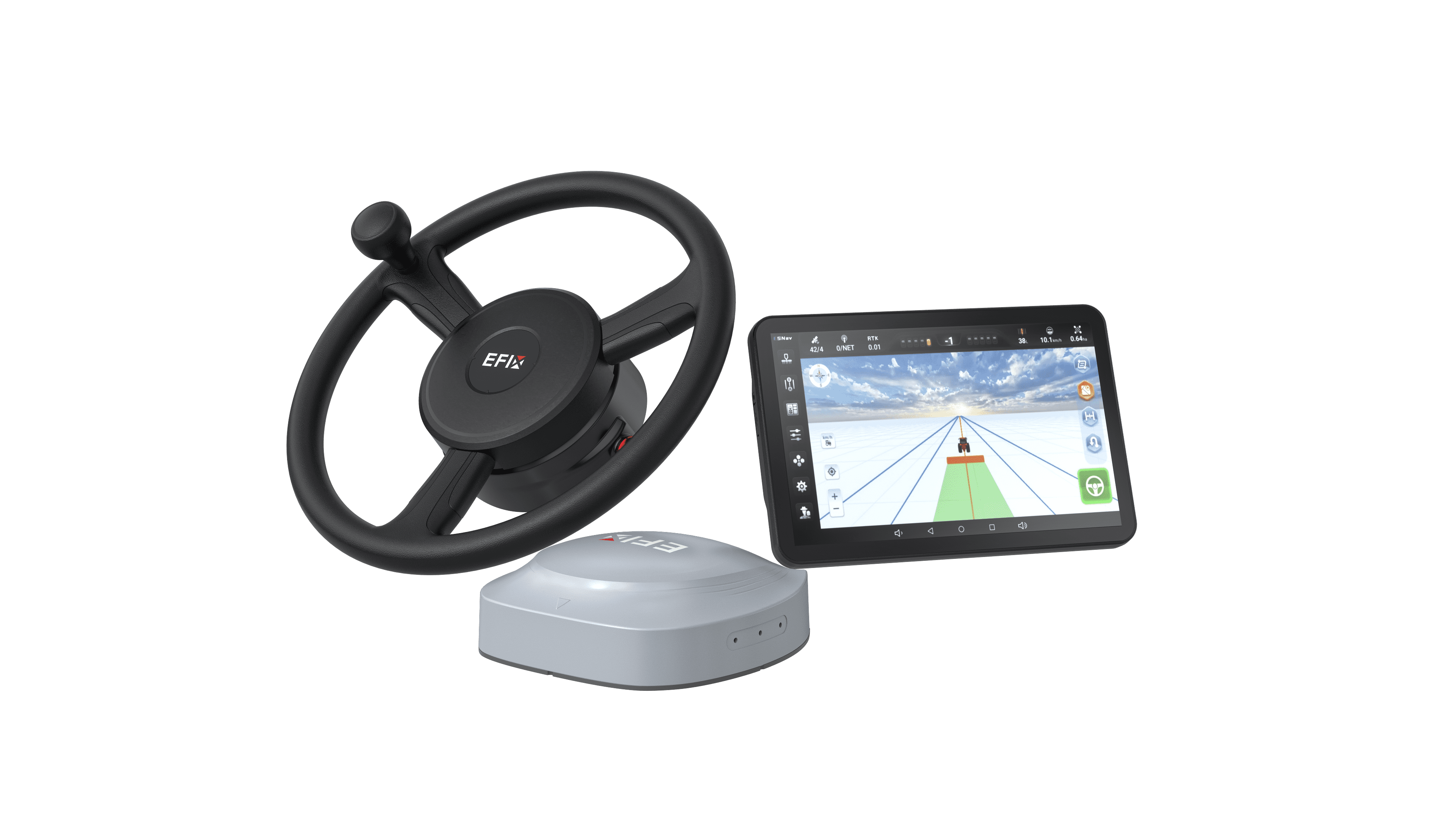
Automation also has limitations. The initial investment may be significant for smaller farms, and additional costs can come from installation, correction services, maintenance, or training. Performance may also depend on GNSS signals, correction data, field conditions, and equipment compatibility. Not every farming task requires automated steering, so farmers should first identify where the technology can provide practical value. At EFIX, we develop solutions with different working conditions in mind. For example, the eSteer20 Max can be extended with visual guidance, implement guidance, and row guidance functions. These options can be useful for operations that require more specialized control, but farmers should still select functions based on their actual field requirements.
How to Choose the Right System
Choosing the right solution requires a balance between technical capability and practical needs. Farmers should consider the type of machinery they use, the crops they grow, field size, required accuracy, and the tasks they perform most often. Ease of installation and operator training should also be part of the decision. A system that can integrate with existing equipment may be more practical than one that requires major changes. Our approach at EFIX is to consider the full farming workflow and provide technology that can adapt to different applications. A flexible system can also give farms more options as their operations develop.
Conclusion
An auto steering system can offer clear benefits, including more consistent machine paths, lower steering workload, and improved efficiency for repetitive tasks. However, the technology also comes with costs and technical considerations that should not be overlooked. Farmers should compare the expected benefits with their actual operational needs before making a decision. At EFIX, we focus on developing practical precision agriculture solutions that respond to different field conditions. By considering both the advantages and limitations, growers can make a more informed choice about whether automated steering is suitable for their farm.