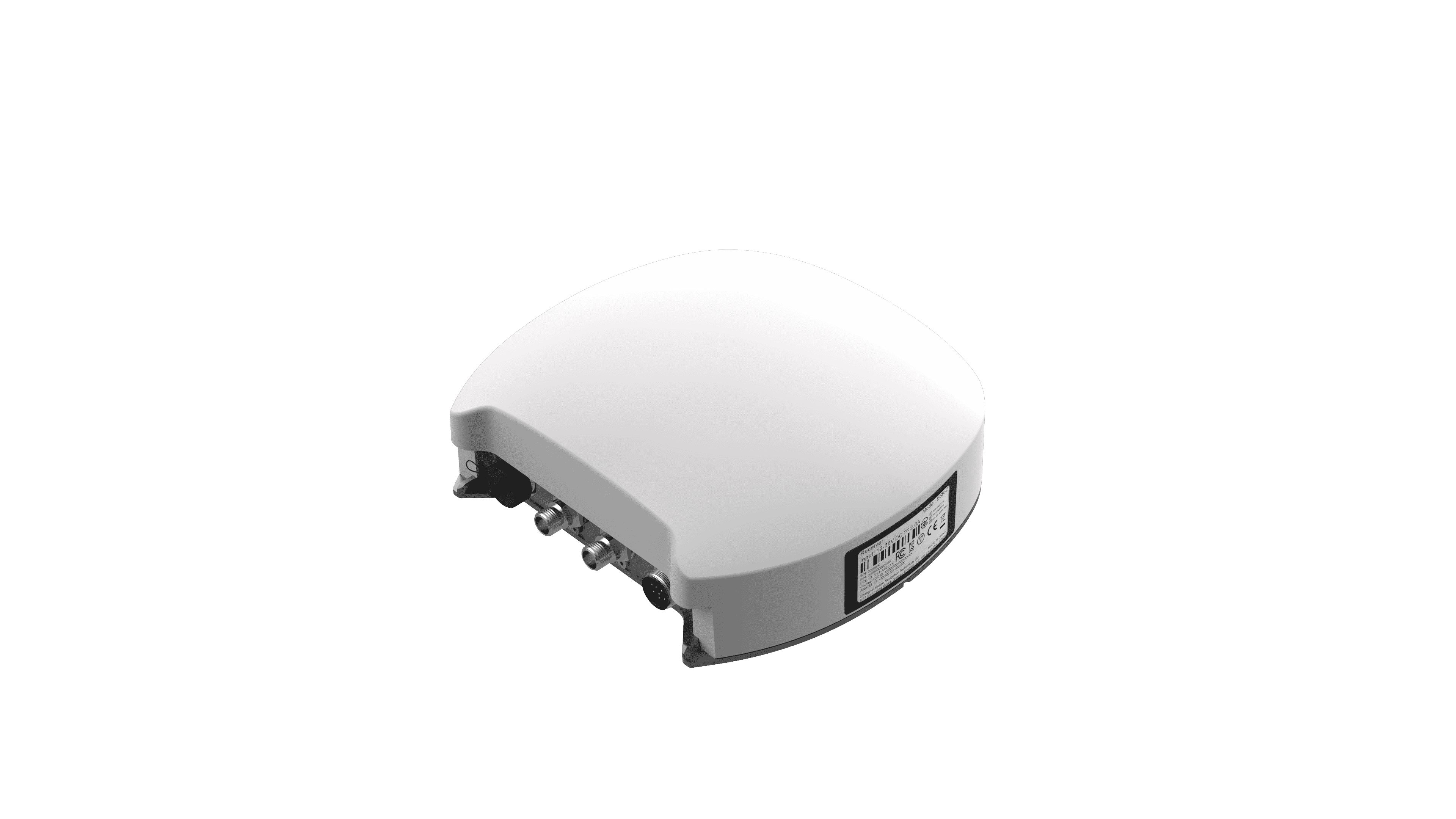
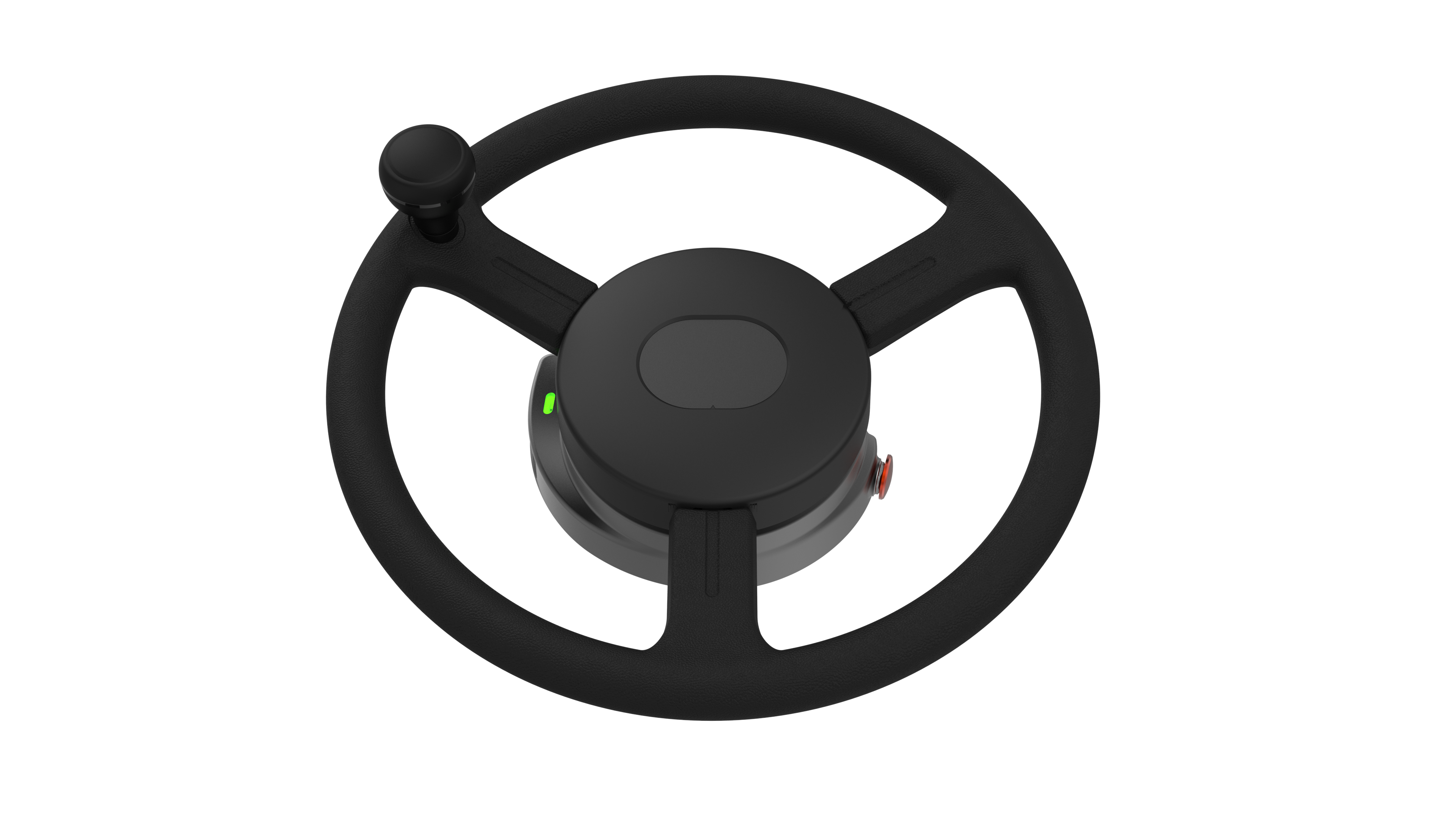
Steering a farm machine across a large field may seem simple, but maintaining the same path for hours can be physically demanding. Small deviations can also create overlap or missed areas during repeated passes. This is where an automated steering system can offer a different approach. Instead of relying entirely on continuous manual corrections, the technology uses positioning data to help maintain a planned route. However, automated steering is not automatically the right choice for every farm. Manual steering can still be practical for smaller fields, irregular boundaries, or tasks that require frequent operator decisions. The better option depends on field conditions, equipment, accuracy needs, and operating costs.
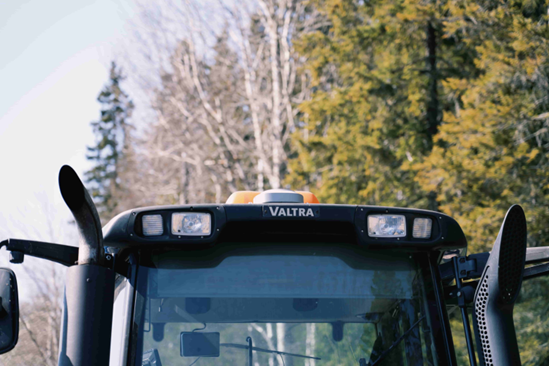
Where Automated Steering Has an Advantage
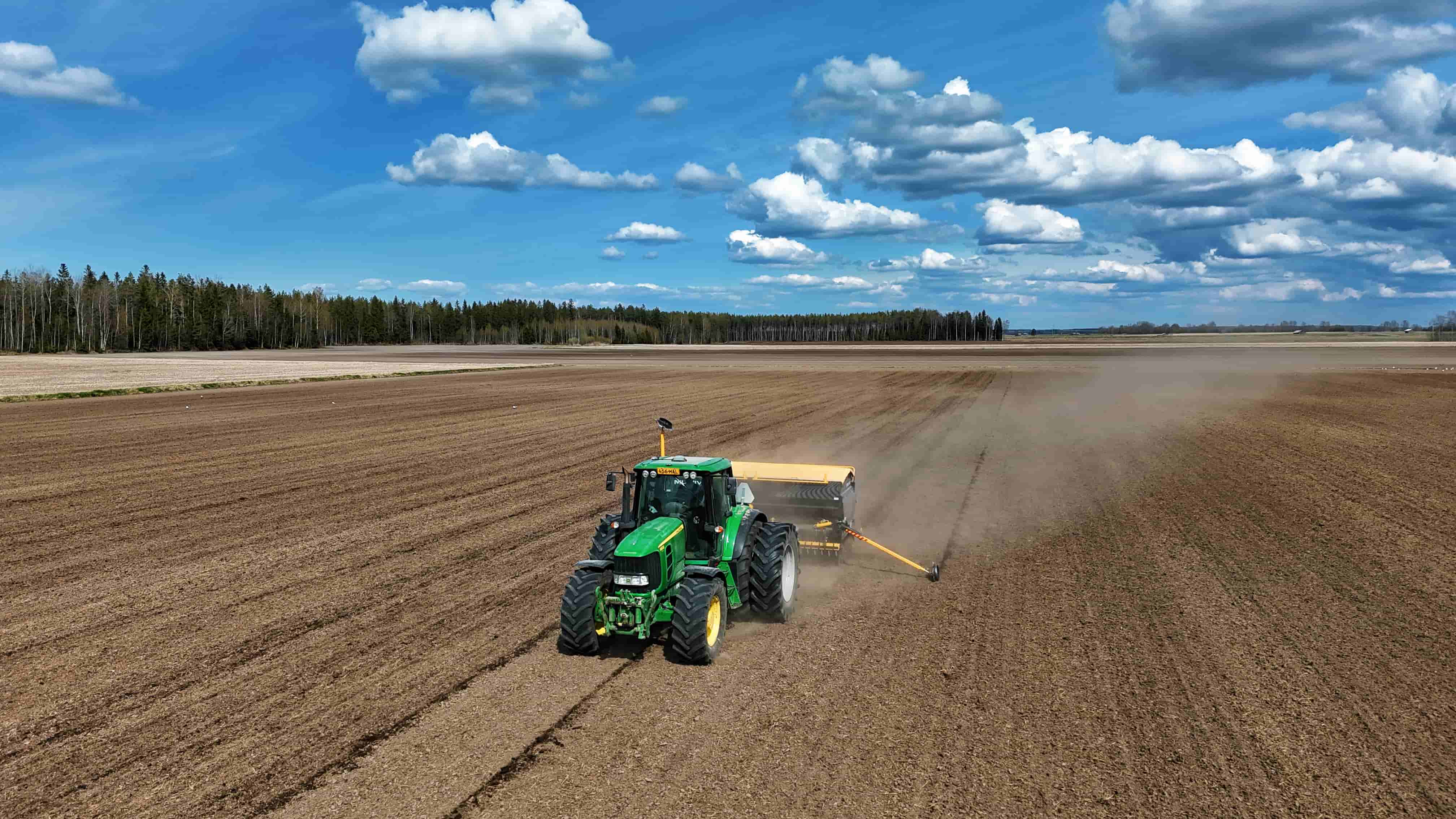
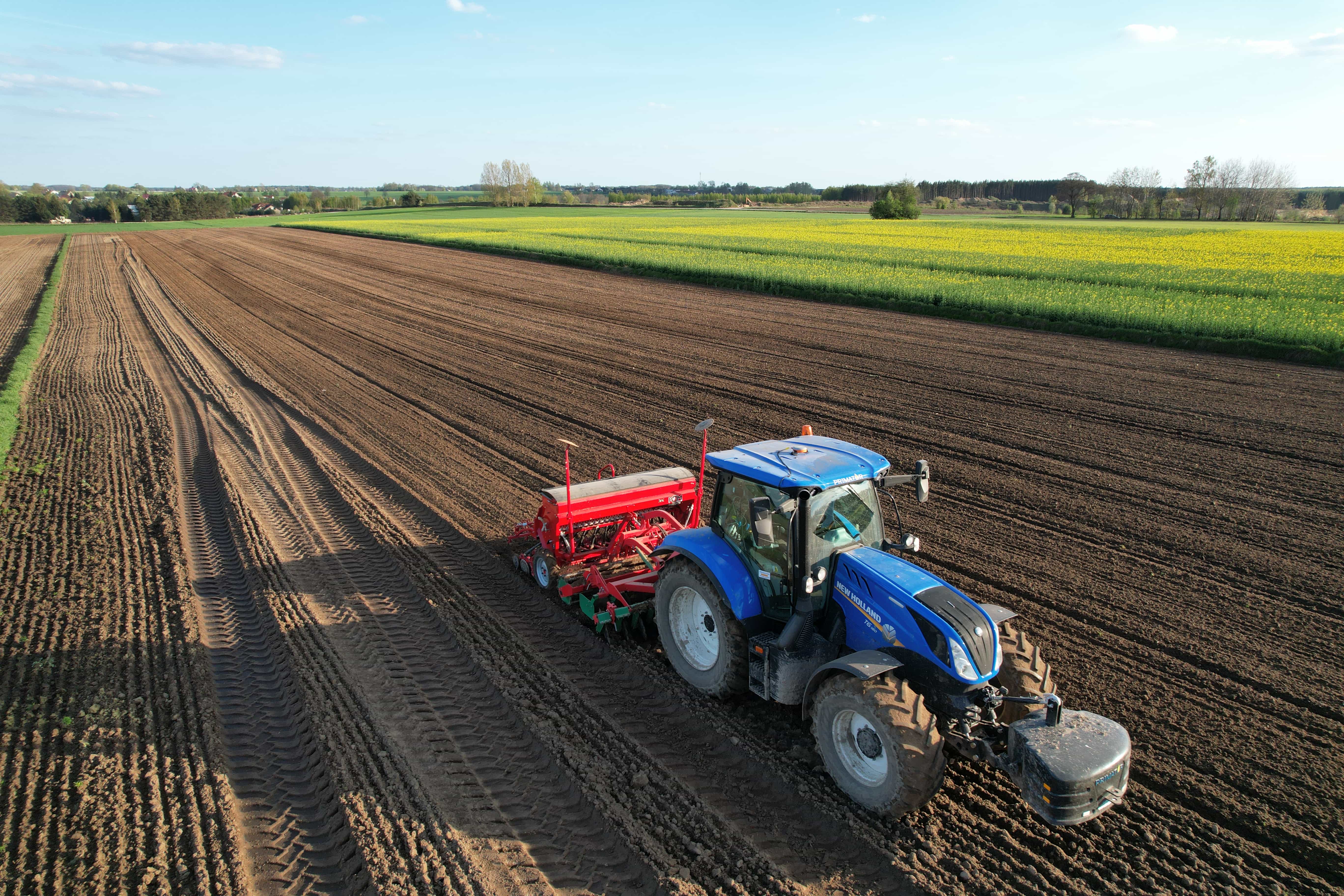
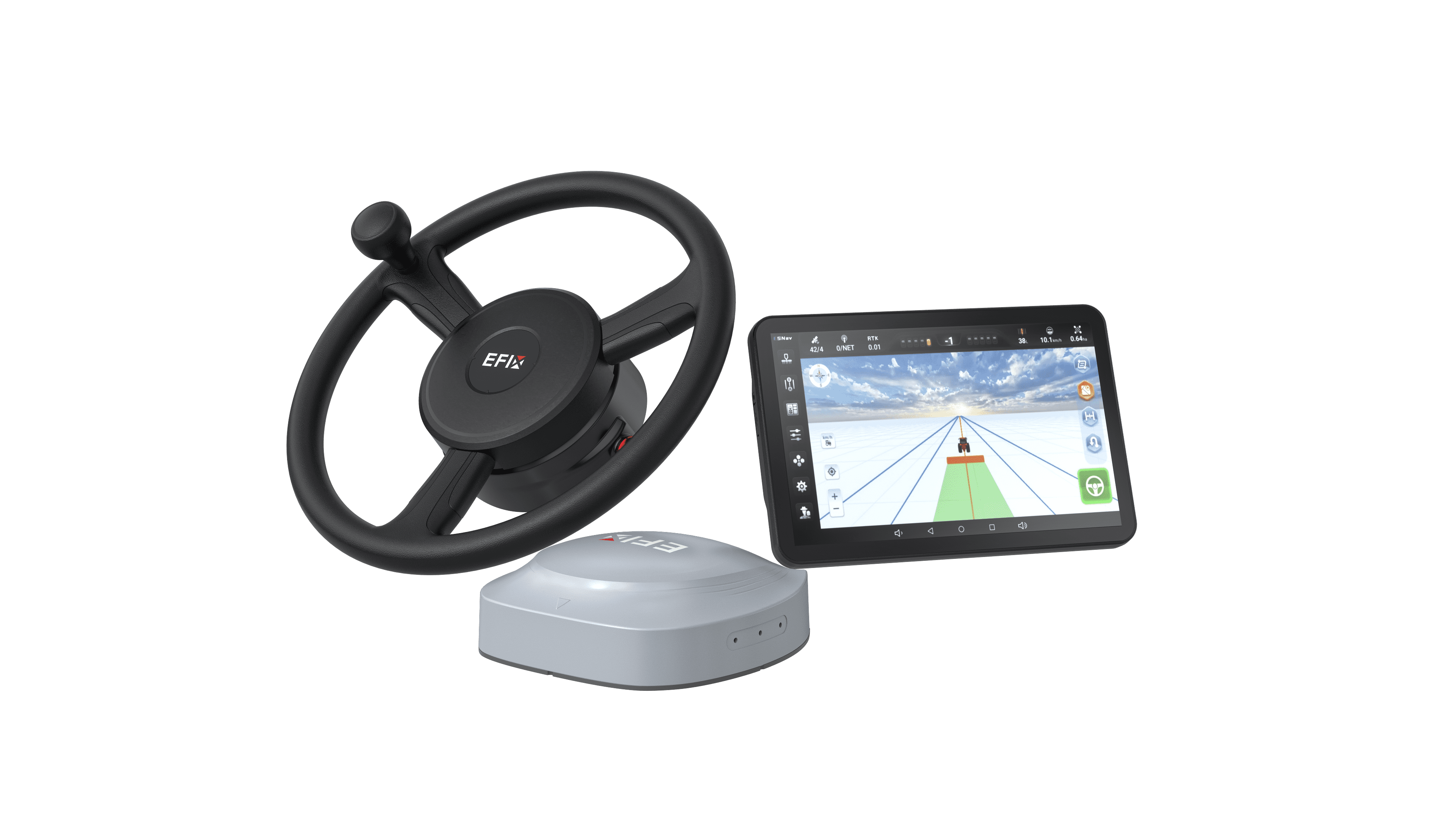
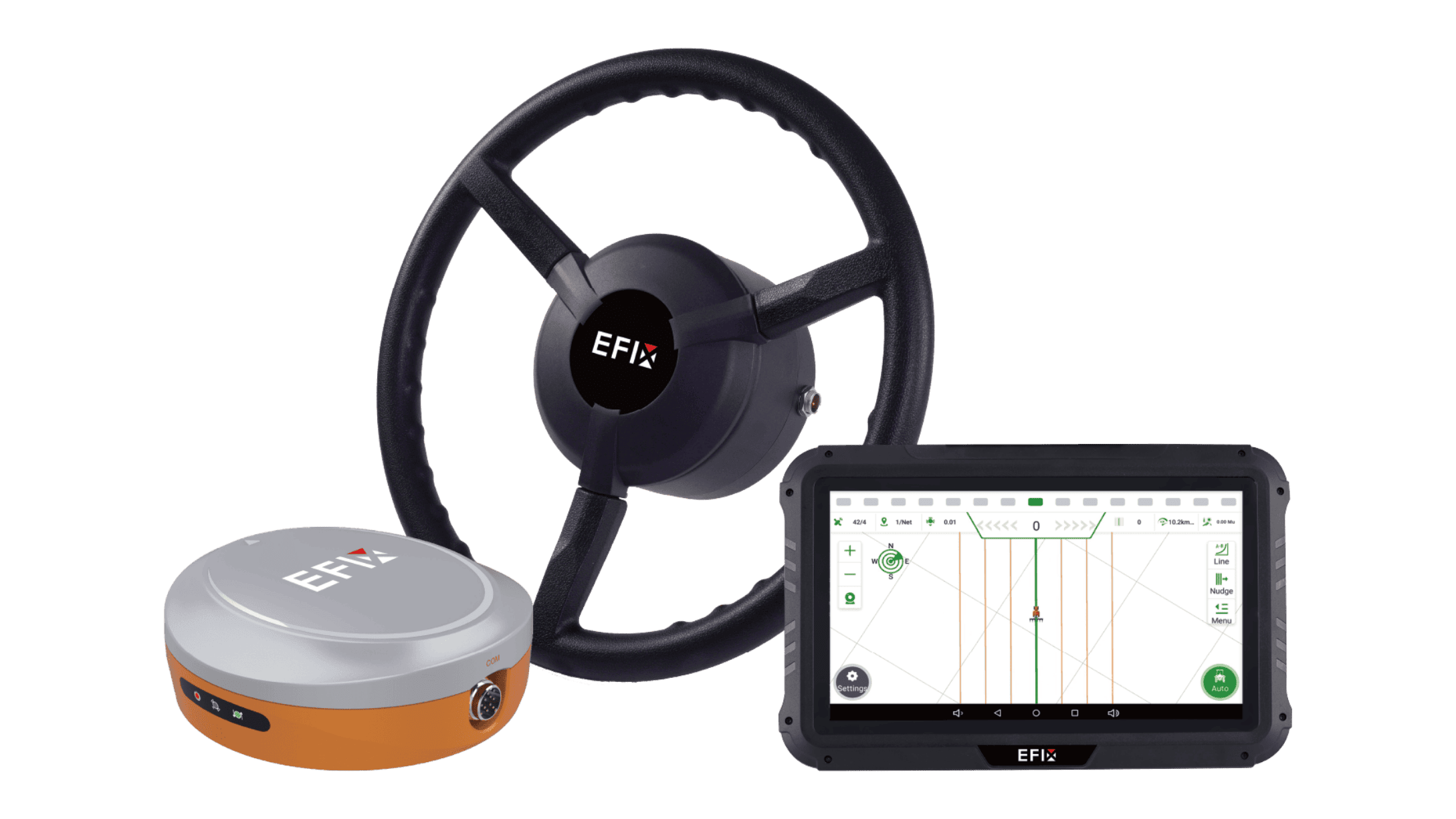
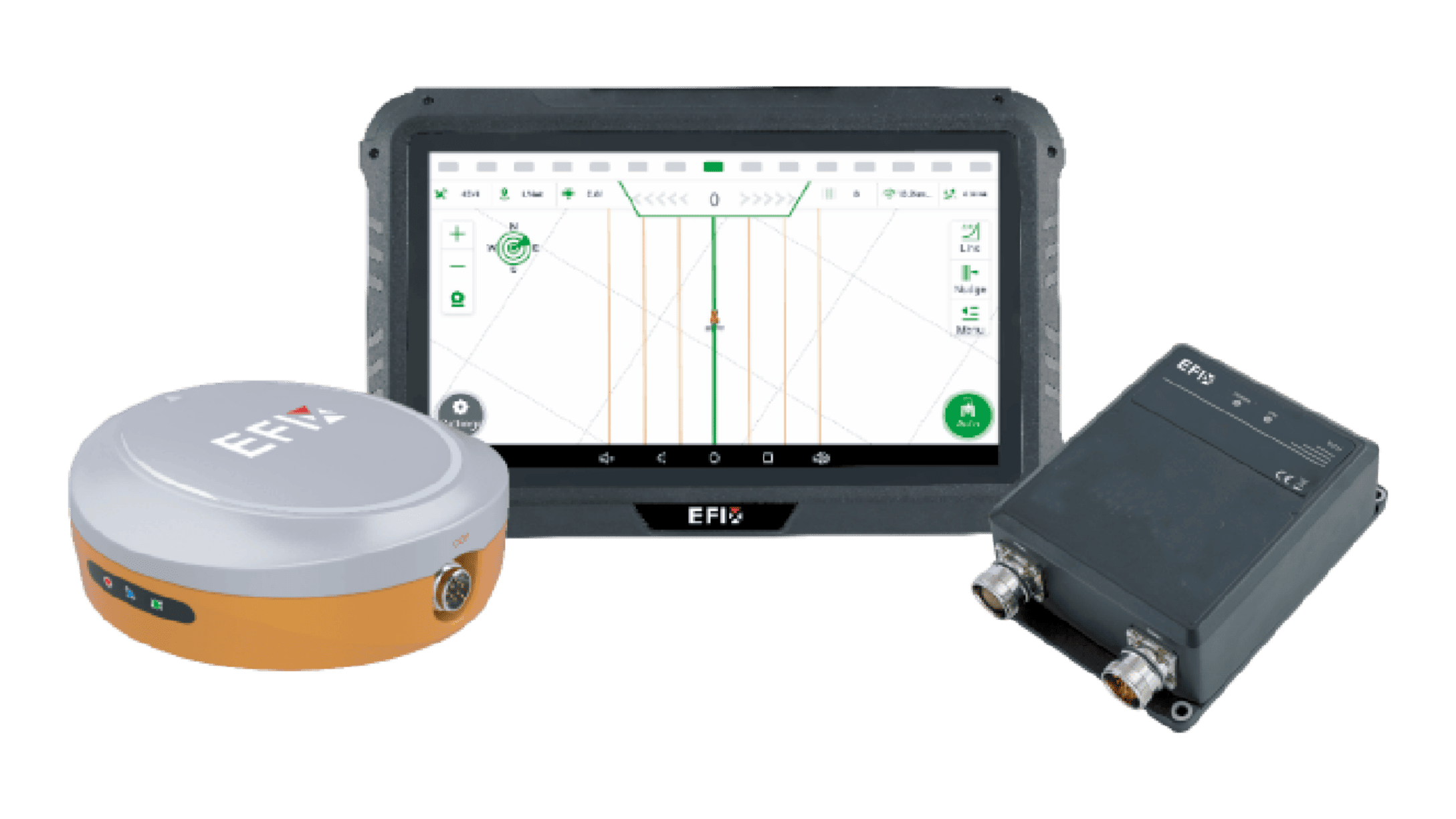
The main benefit of automated steering is consistency. During long and repetitive operations, it can help machinery stay closer to a planned path and reduce the need for constant steering adjustments. This may be useful for planting, spraying, cultivation, and other tasks where repeated passes are common. It can also reduce operator fatigue, allowing the driver to focus more on monitoring equipment and field conditions. Another important factor is positioning technology. Modern systems may support multiple GNSS modes, which can help maintain positioning under different operating conditions. At EFIX, we use multiple GNSS modes, including our EFIX-PPP satellite-based service. The eSteer20 Max is designed to work with diverse GNSS modes for accurate and reliable positioning. However, the actual benefit still depends on the task, correction service, signal environment, and equipment setup.
When Manual Steering Still Makes Sense
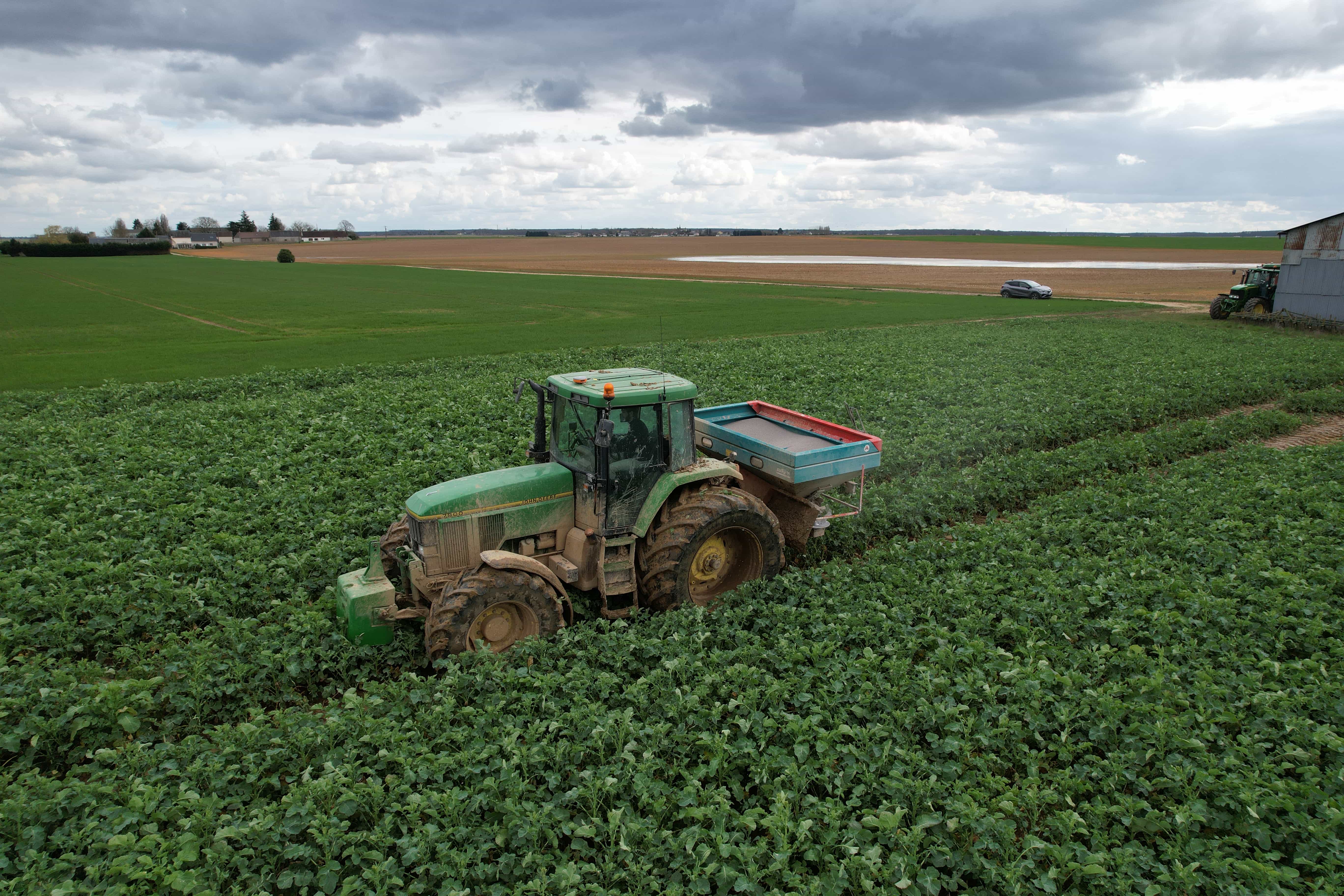
Manual steering has not become unnecessary. For smaller farms, occasional field work, or operations with complex boundaries, an experienced operator may find manual control more flexible. Manual steering also requires less initial investment and may be easier to start using with existing machinery. In some situations, operators need to make quick decisions based on obstacles, soil conditions, or changing field conditions. Human judgment can be valuable in these cases. Farmers should therefore avoid comparing the two methods only by technology level. A manual approach may be suitable when operations are small or highly variable, while automated solutions may offer more value when work involves long, repetitive routes.
How to Choose the Right Steering Approach
The right choice starts with identifying the actual problems on the farm. Consider field size, working hours, crop type, required accuracy, equipment compatibility, and available GNSS correction services. It is also important to calculate the total cost, including installation, training, maintenance, and potential upgrades. At EFIX, we believe an automated steering system should be evaluated according to real working conditions rather than treated as a universal solution. Multiple GNSS options can provide flexibility, but farmers should still select the positioning mode that matches their specific environment and operational needs.
Conclusion
So, is an automated steering system better than manual steering? In many repetitive and large-scale operations, automated steering can improve path consistency and reduce operator workload. However, manual steering remains useful for smaller farms and tasks that require frequent human judgment. The suitable choice depends on the balance between accuracy, cost, field conditions, and operational needs. At EFIX, we focus on providing flexible positioning solutions that support different agricultural applications. By understanding the strengths and limitations of both approaches, farmers can choose a steering method that fits the way they actually work.