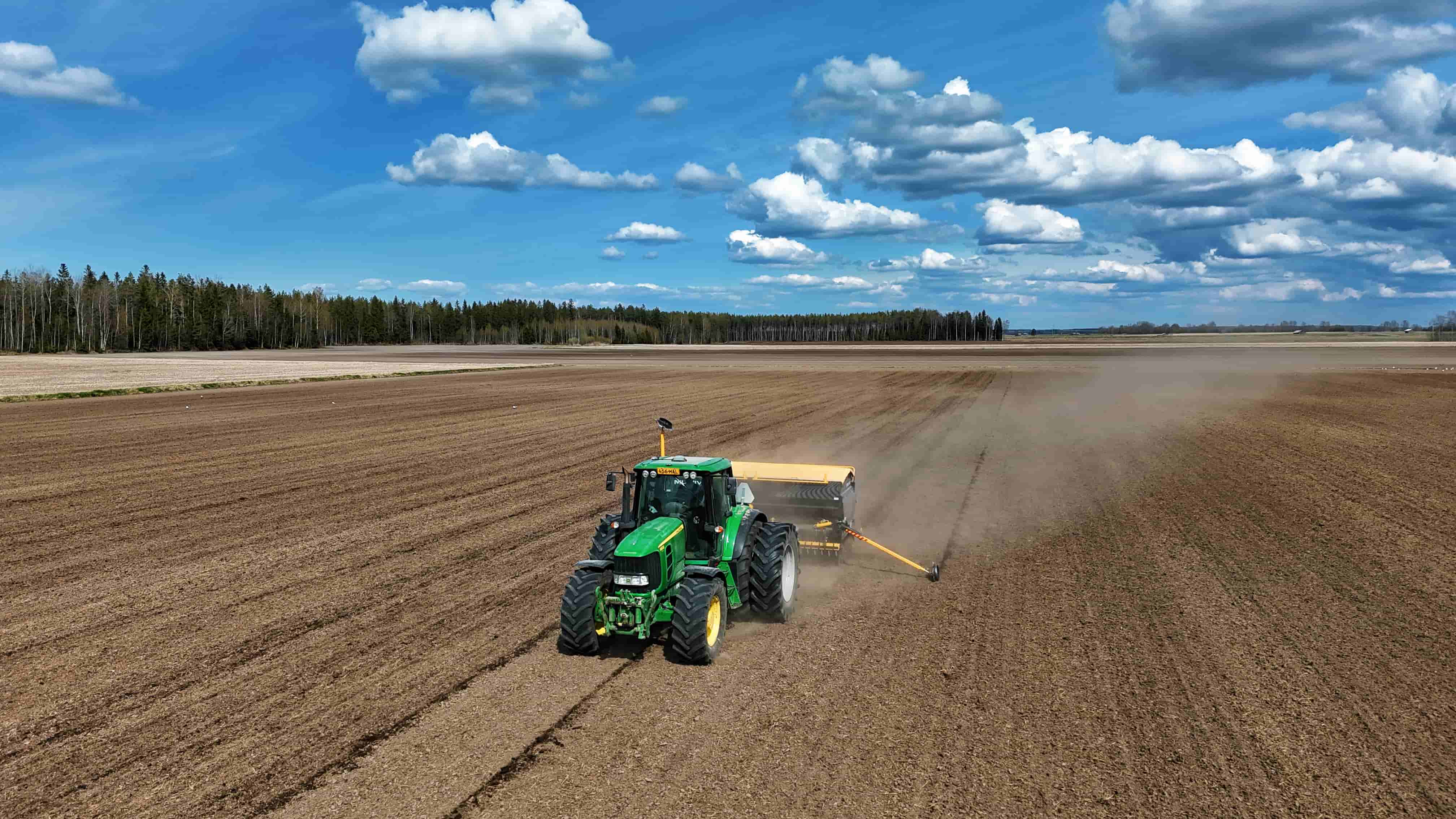
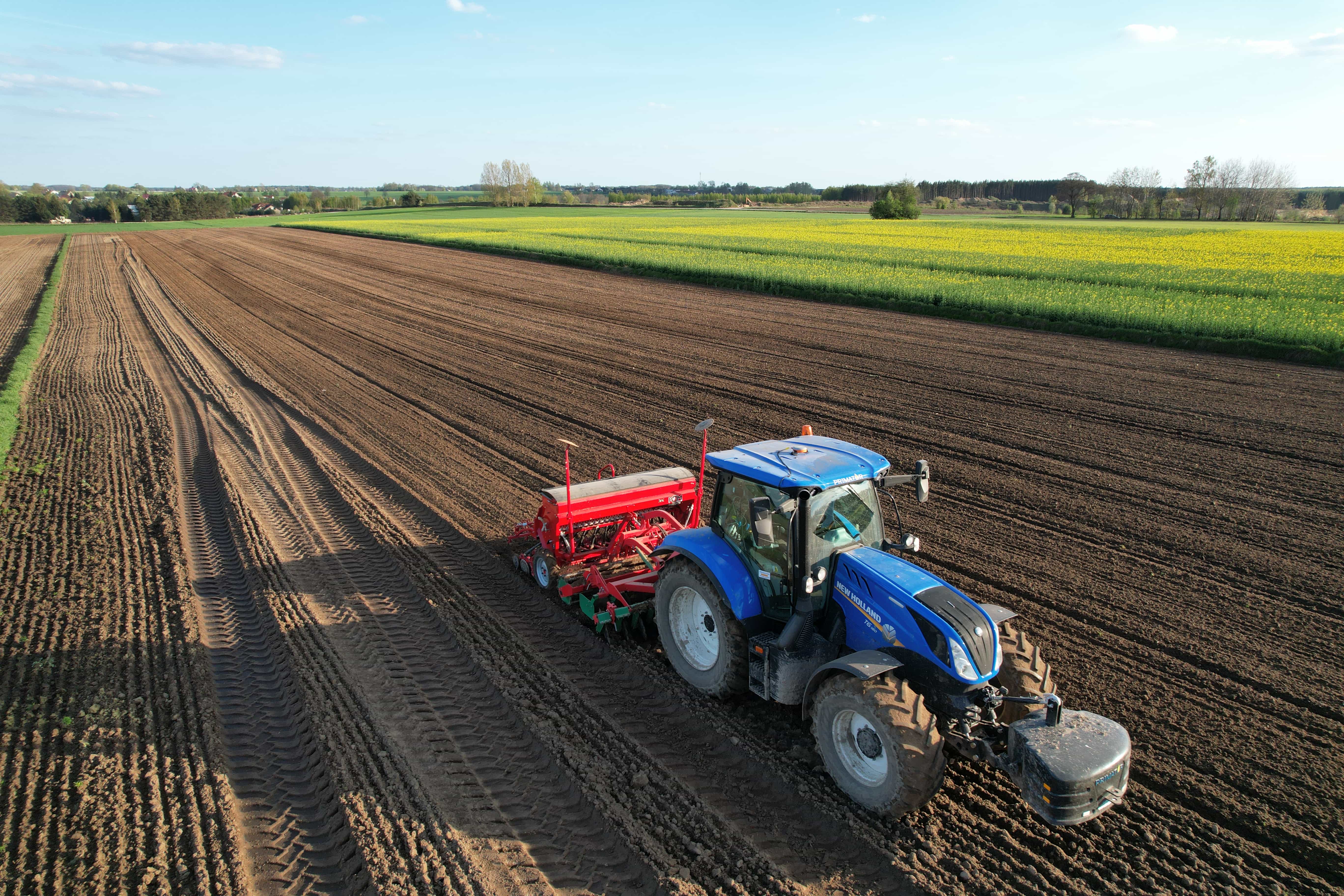
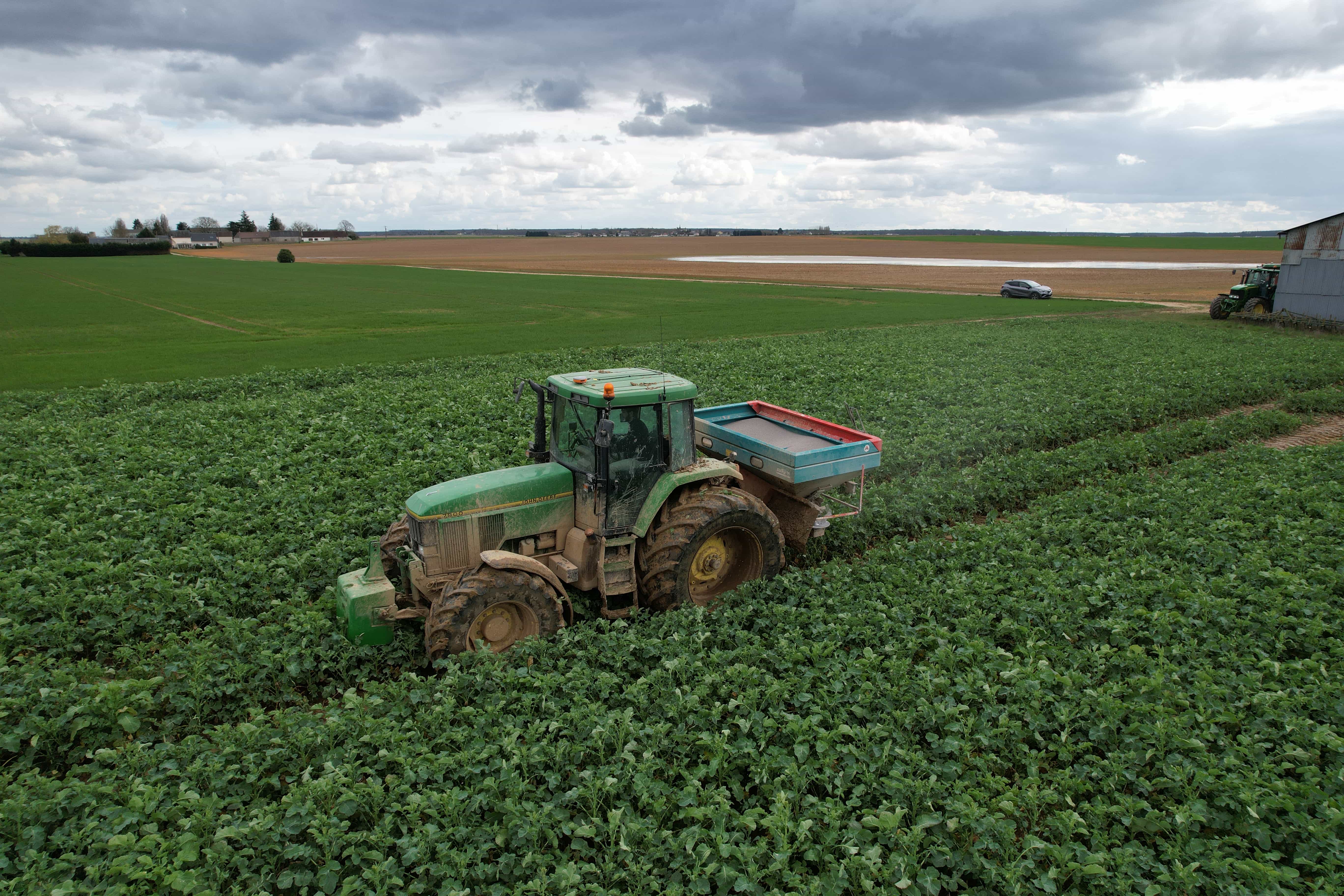
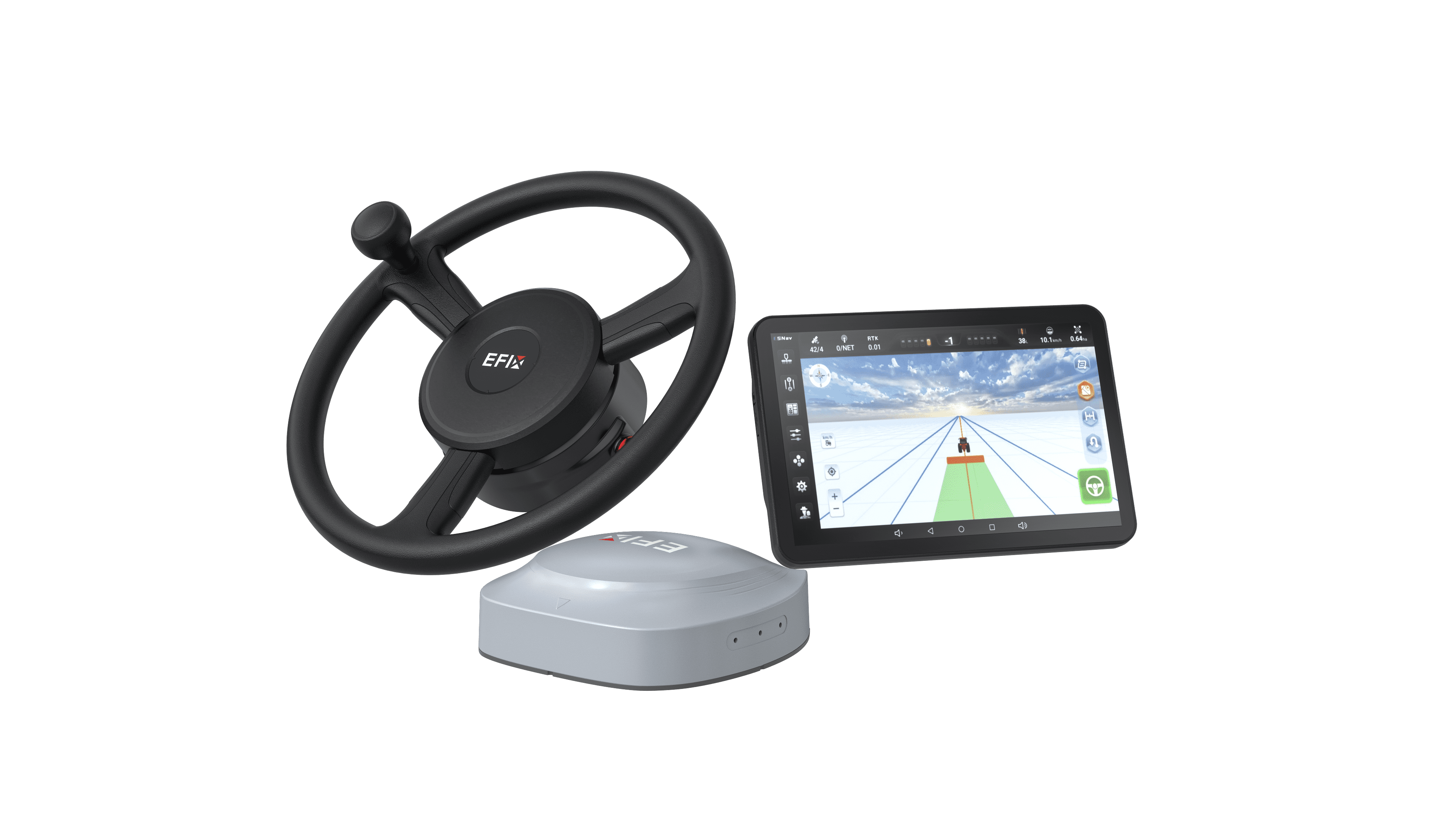
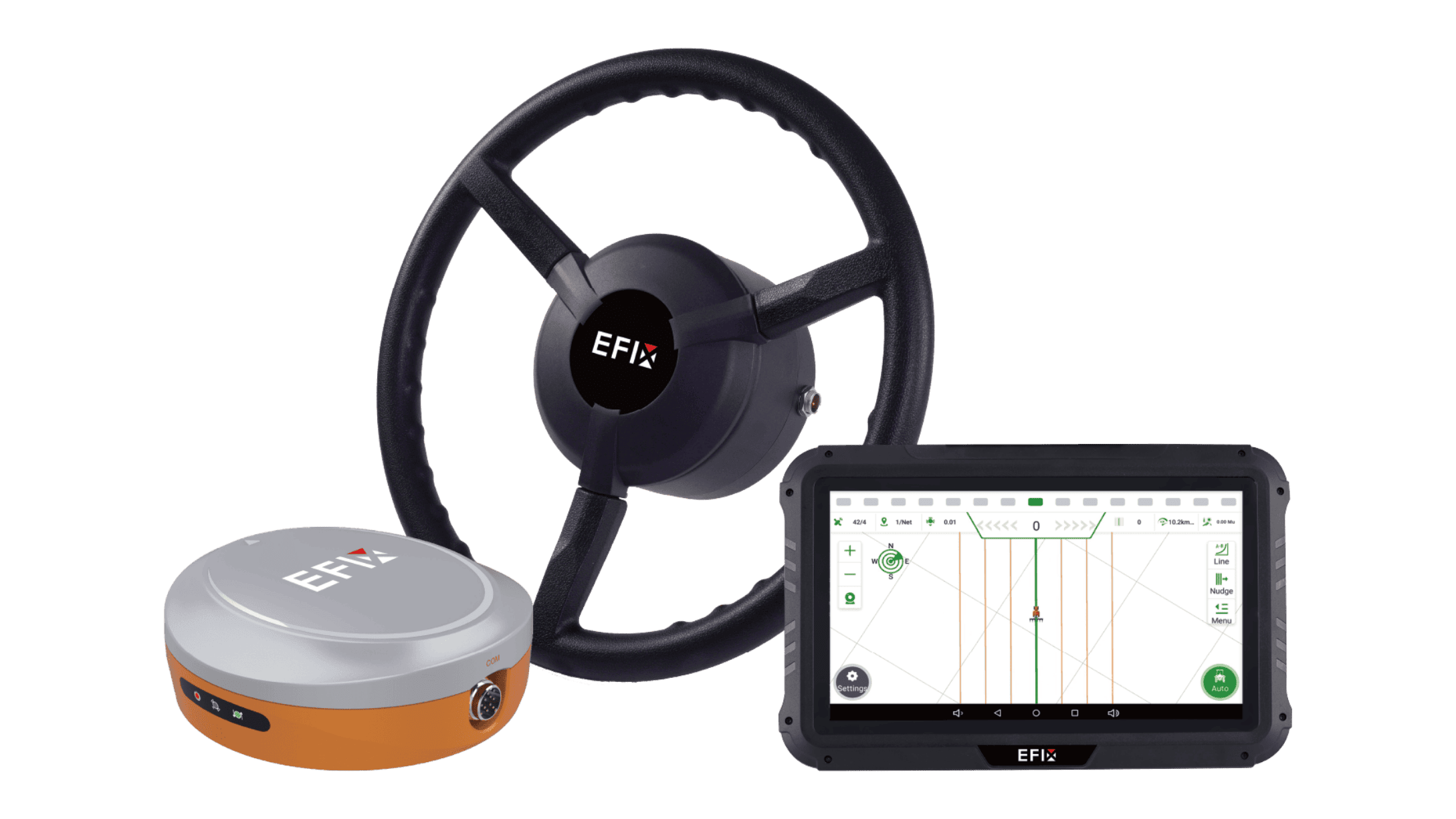
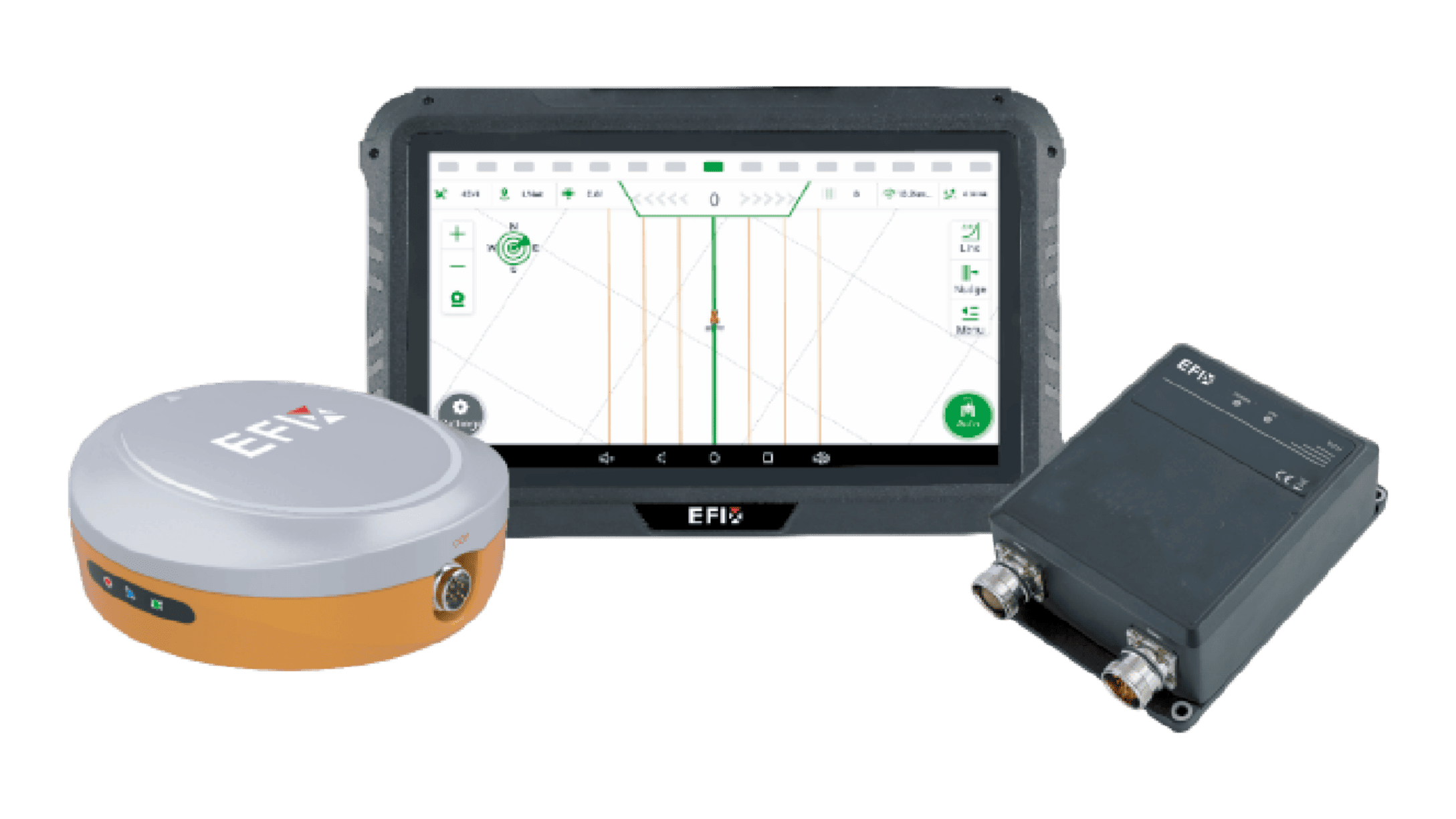
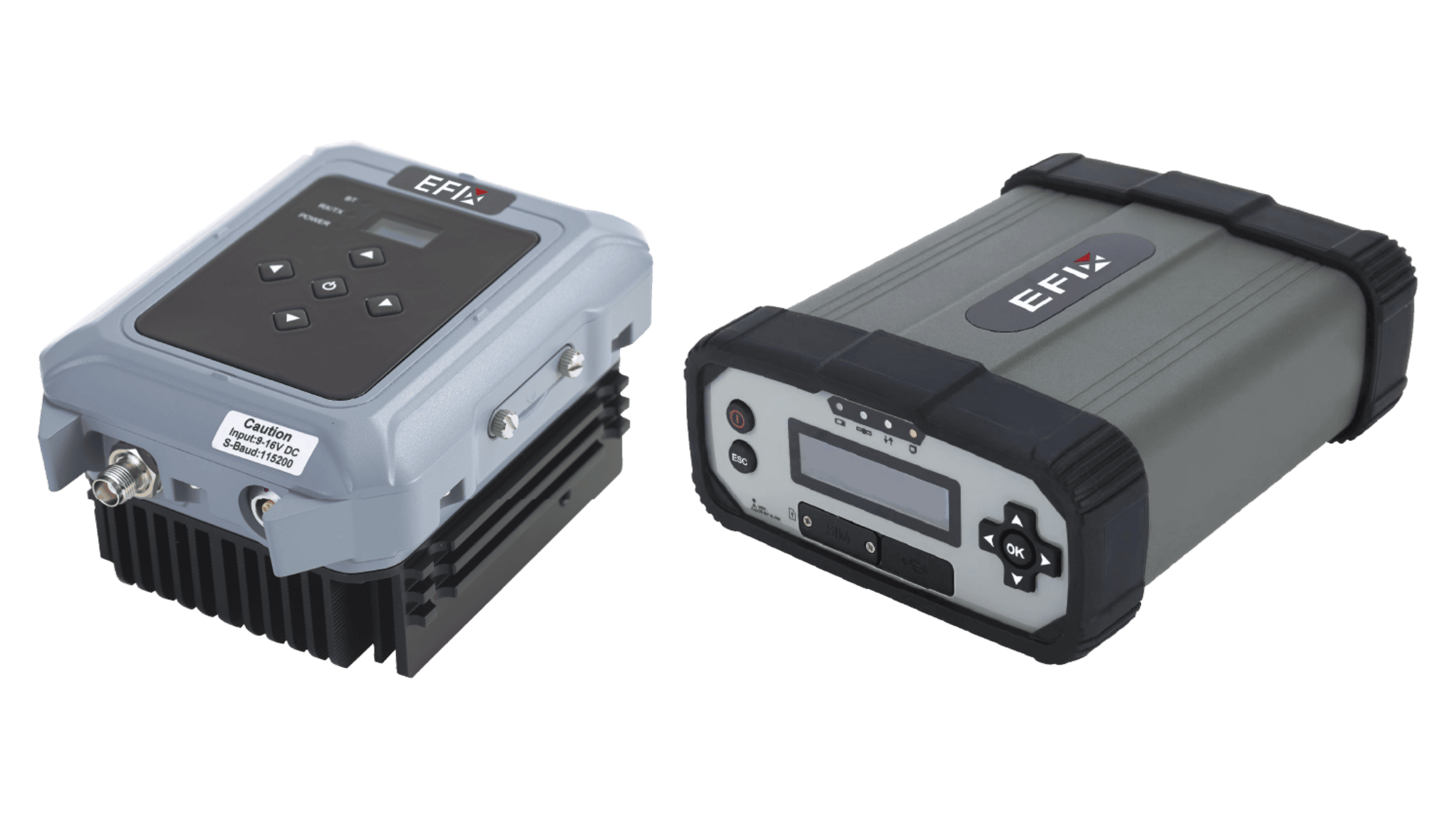
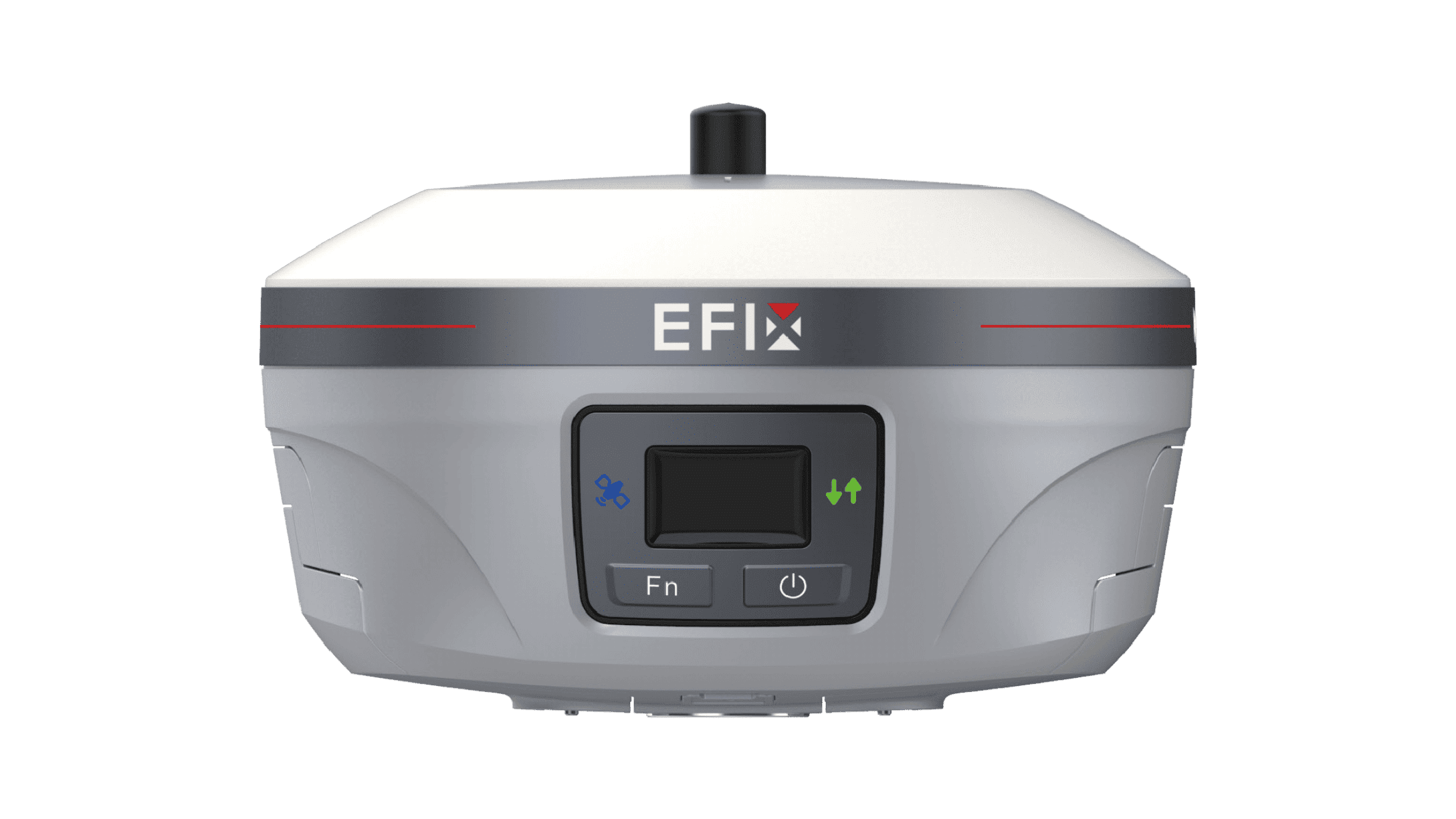
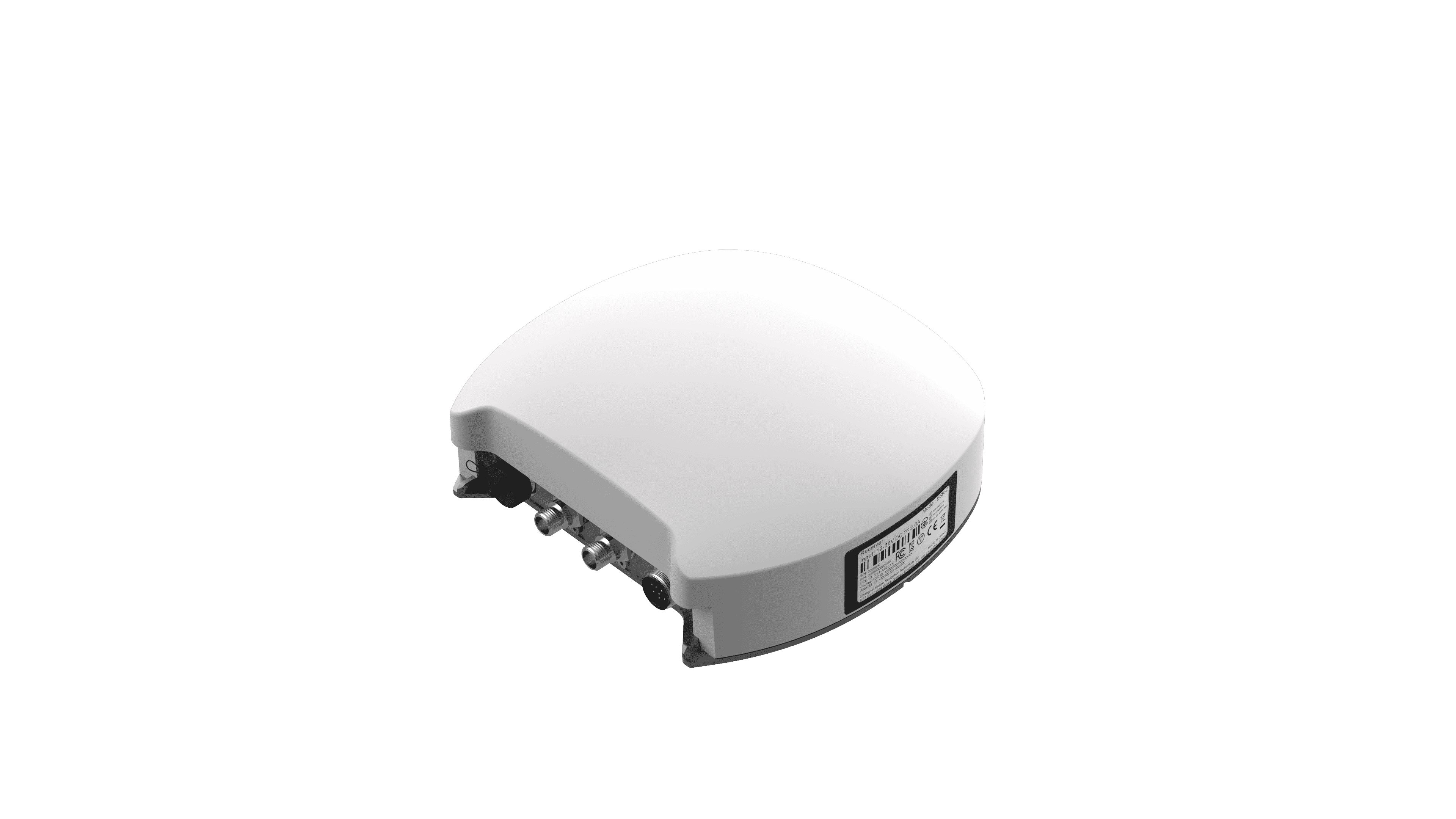
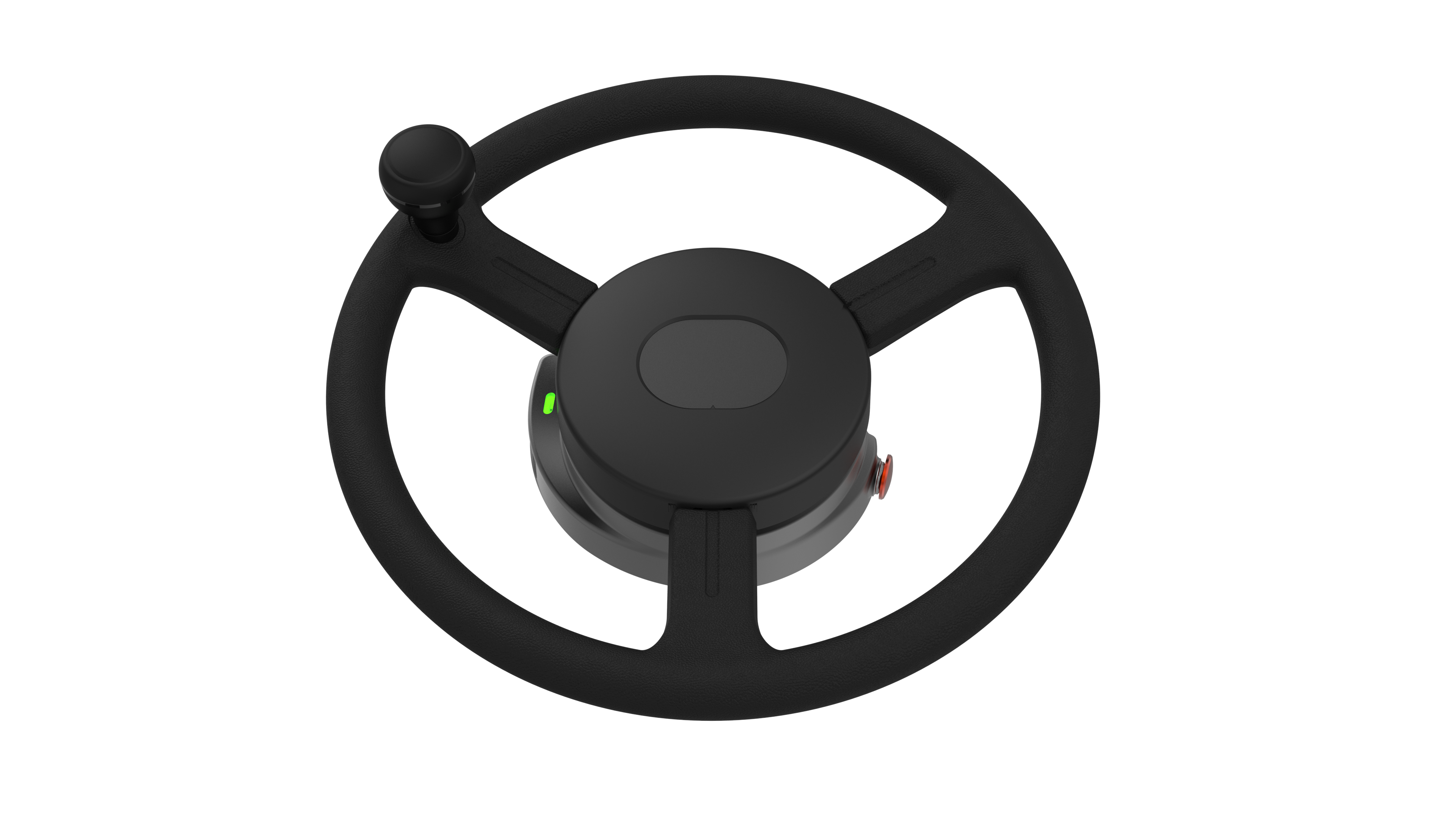
Managing large agricultural fields requires machines to cover significant distances while maintaining consistent working paths. Even small steering deviations can become more noticeable across long passes, leading to unnecessary overlap or missed areas. An auto steer system can help operators maintain planned routes with less continuous manual correction. This can be useful for planting, spraying, cultivation, and other repetitive tasks. At EFIX, we believe the value of automated guidance should be measured by how well it fits real farming conditions, including field size, machine speed, accuracy requirements, and daily operating schedules.
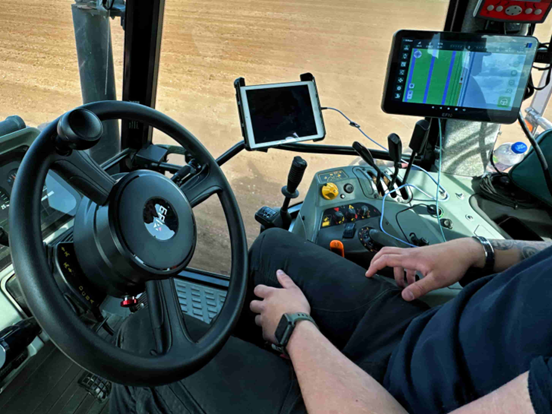
Why Consistent Guidance Matters on Large Farms
Large farms often involve long working hours and repeated passes across the same field. Manual steering can become tiring, especially when operators need to maintain a consistent path for extended periods. Automated guidance can reduce the physical workload and help maintain more consistent machine routes. This may also support better use of field space by reducing unnecessary overlap between passes. The benefits can be especially useful for operations where precision affects input use or crop placement. However, farmers should also consider field boundaries, terrain, obstacles, and crop types. The technology is most useful when it addresses a clear operational challenge rather than being adopted simply because it is available.
How Speed and Accuracy Affect Field Operations
Machine speed is another important factor when choosing guidance technology. Different farming tasks may operate at very different speeds, so a system should perform consistently across the range required by the farm. For example, the eSteer20 Max is designed to provide accurate steering performance from 0.1 km/h to 30 km/h. This wide speed range can support different operations, from slower precision tasks to faster field work. When evaluating an auto steer system, farmers should look at positioning accuracy, response time, GNSS performance, and compatibility with their machinery. These factors can have a direct effect on how smoothly the system performs during real field operations.
What to Consider Before Choosing a System
The right solution depends on more than farm size. Farmers should consider the type of equipment, field conditions, required accuracy, GNSS correction options, and operator experience. Installation and training are also important, especially when multiple machines or operators are involved. It is useful to consider whether the system can support future changes in equipment or farming practices. A flexible auto steer system may provide greater long-term value if it can adapt to different working conditions. Farmers should compare the complete cost of ownership, including hardware, correction services, maintenance, and support, rather than focusing only on the initial purchase price.
Conclusion
For large-scale farms, automated guidance can make repetitive field operations more consistent and reduce the workload associated with continuous manual steering. However, the right solution should match actual field conditions and operational requirements. Speed range, accuracy, compatibility, positioning technology, and long-term support all deserve careful consideration. At EFIX, we focus on developing practical agricultural technology that can support different working conditions. By evaluating these factors before making a decision, large farms can choose guidance solutions that fit their equipment and help improve the consistency of daily field operations.