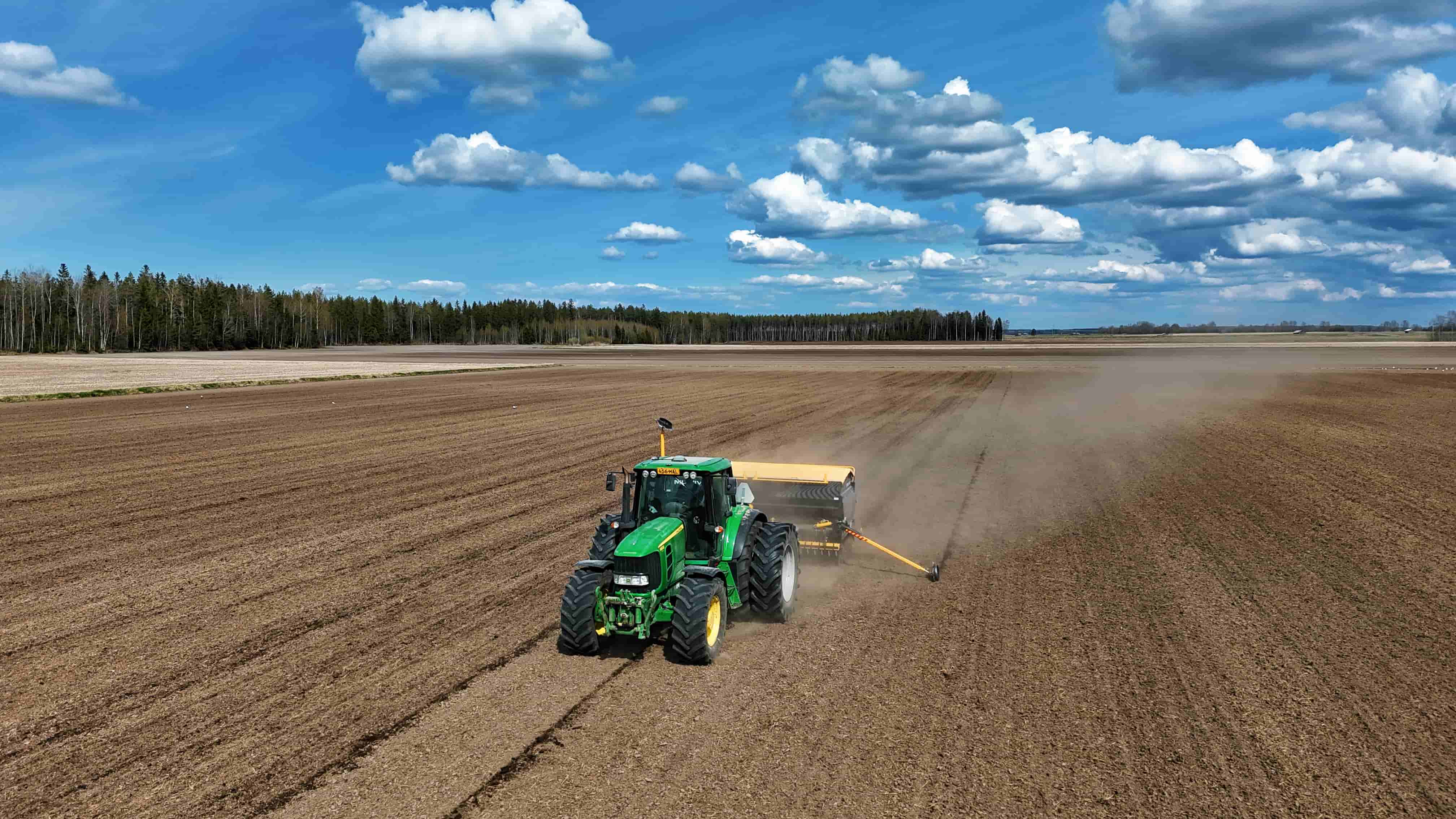
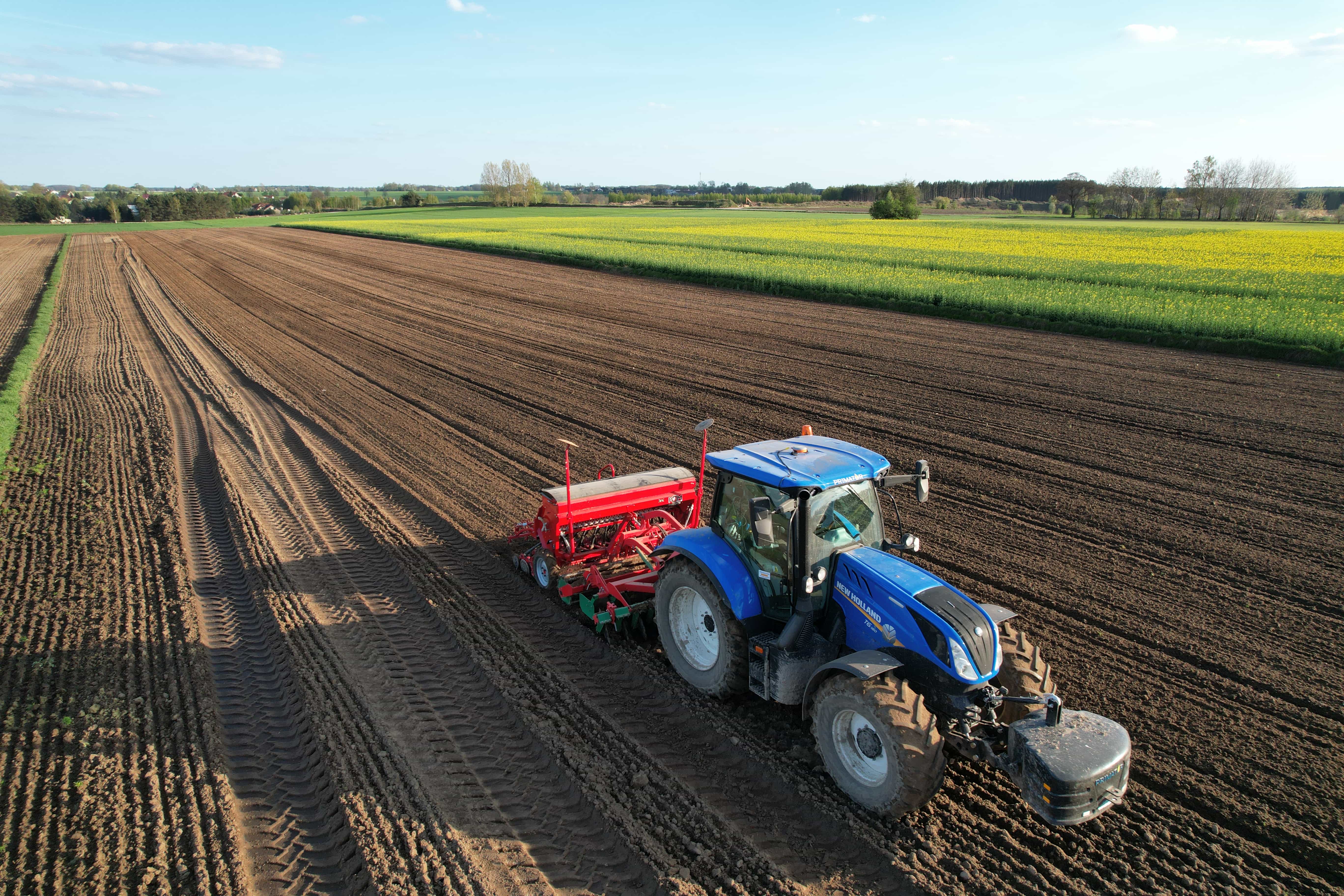
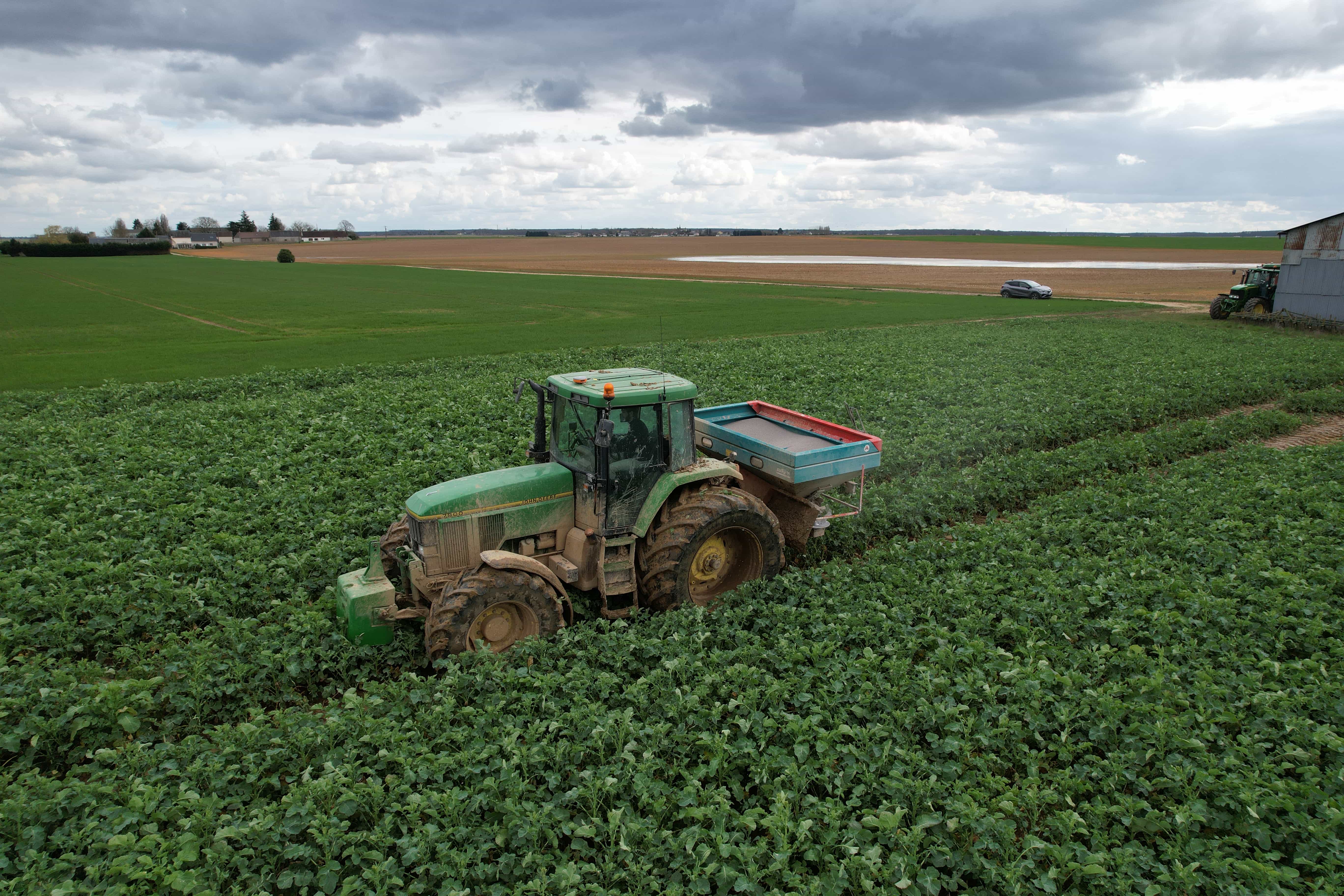
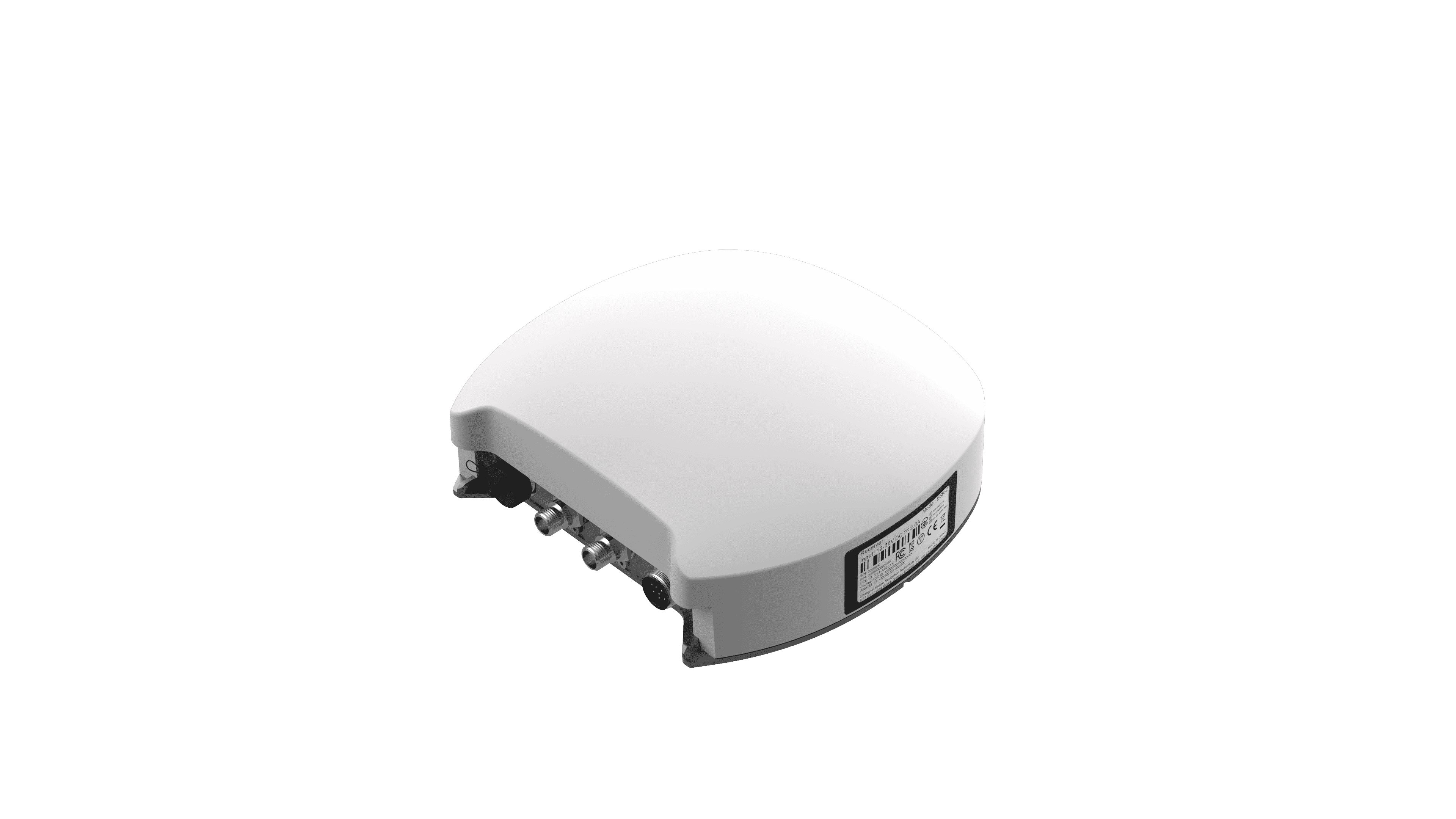
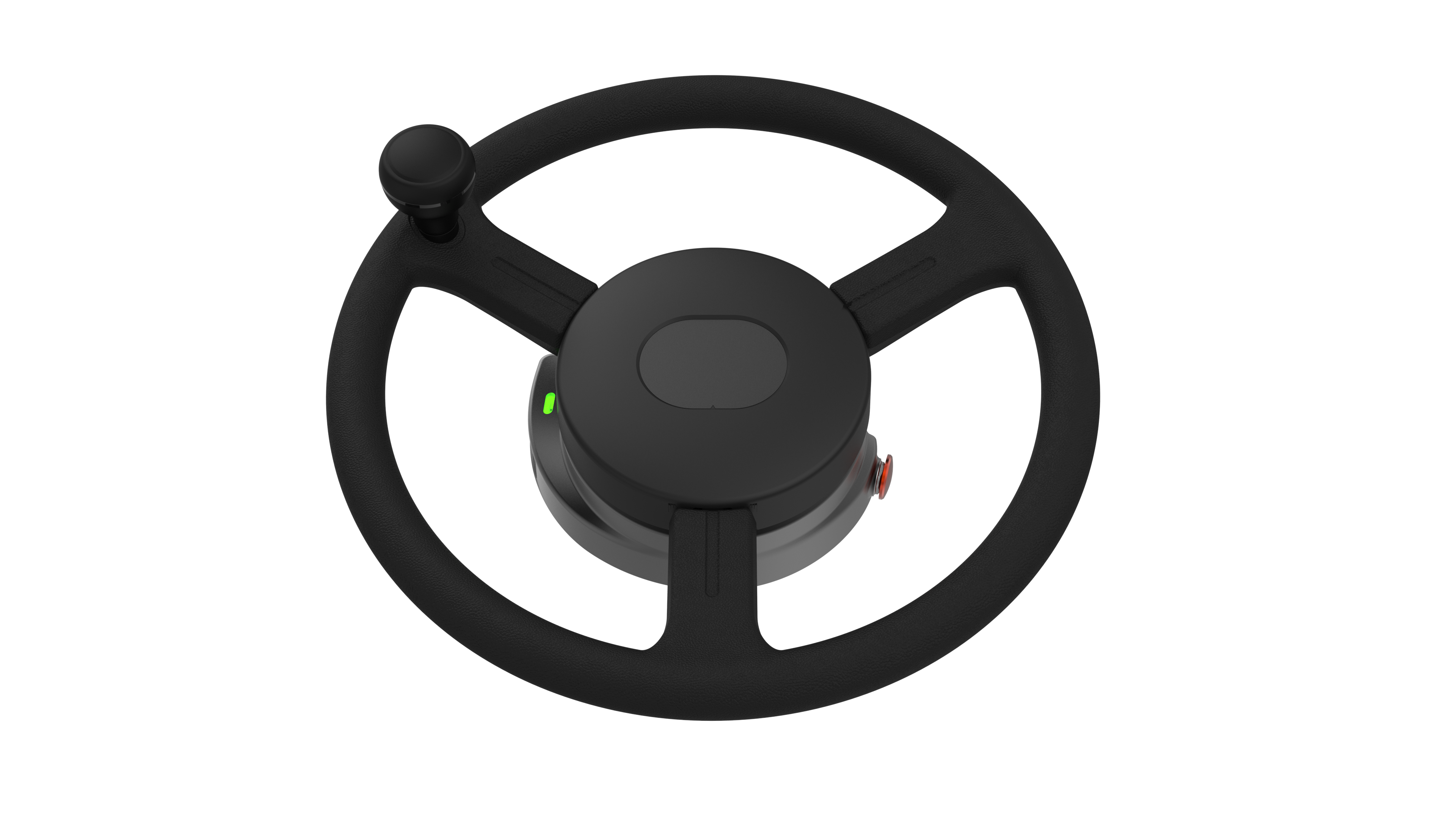
Driving agricultural machinery in a straight and consistent path is more difficult than it may seem. Large fields, uneven terrain, irregular boundaries, and changing working conditions can all affect machine movement. An automatic steering system uses positioning technology and predefined guidance paths to help agricultural machinery follow a planned route with less continuous manual steering. This can support tasks such as planting, spraying, cultivation, and harvesting. At EFIX, we focus on practical agricultural technology that helps farmers adapt guidance tools to different field layouts and working conditions.

How Automatic Steering Works in the Field
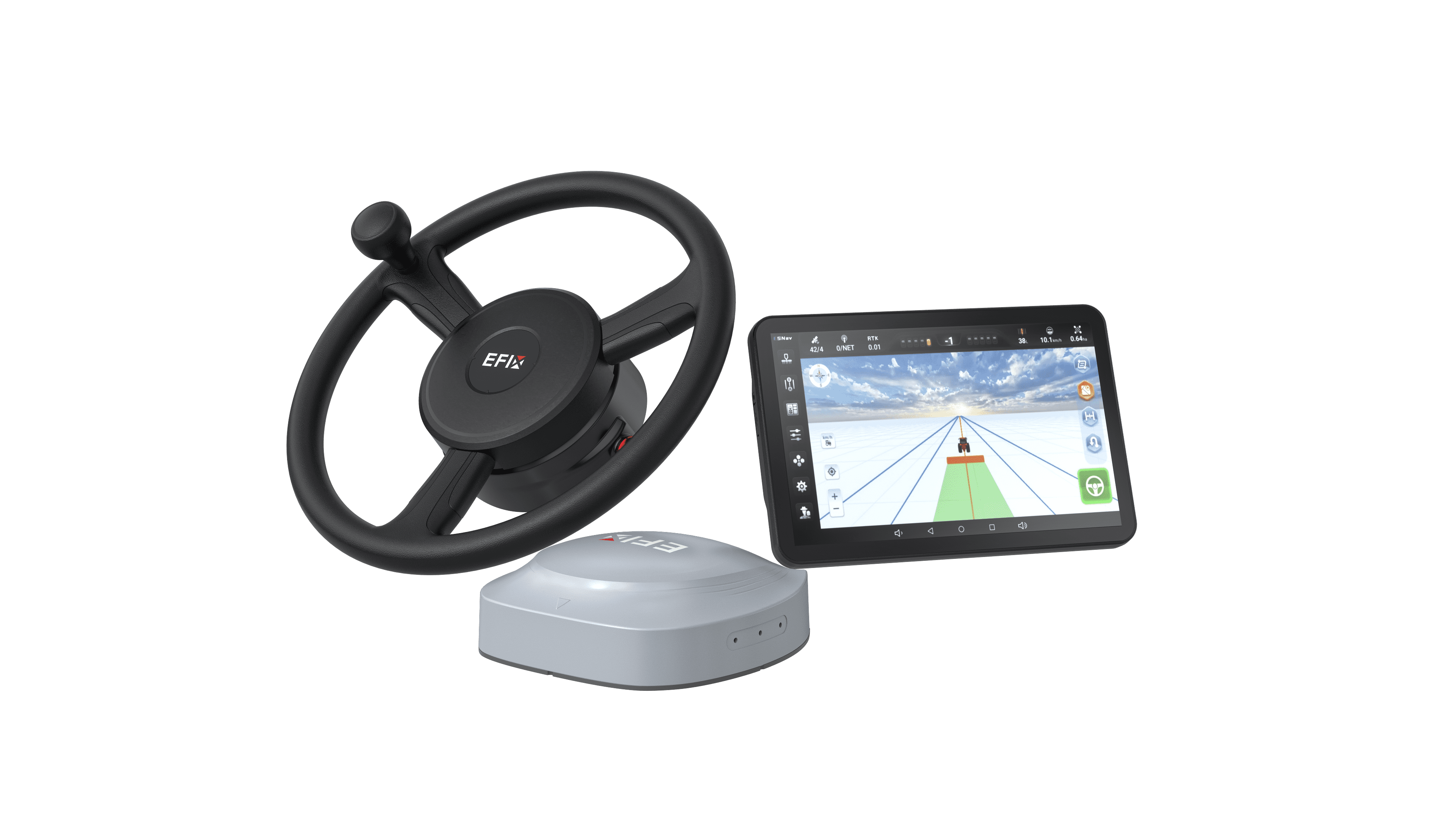
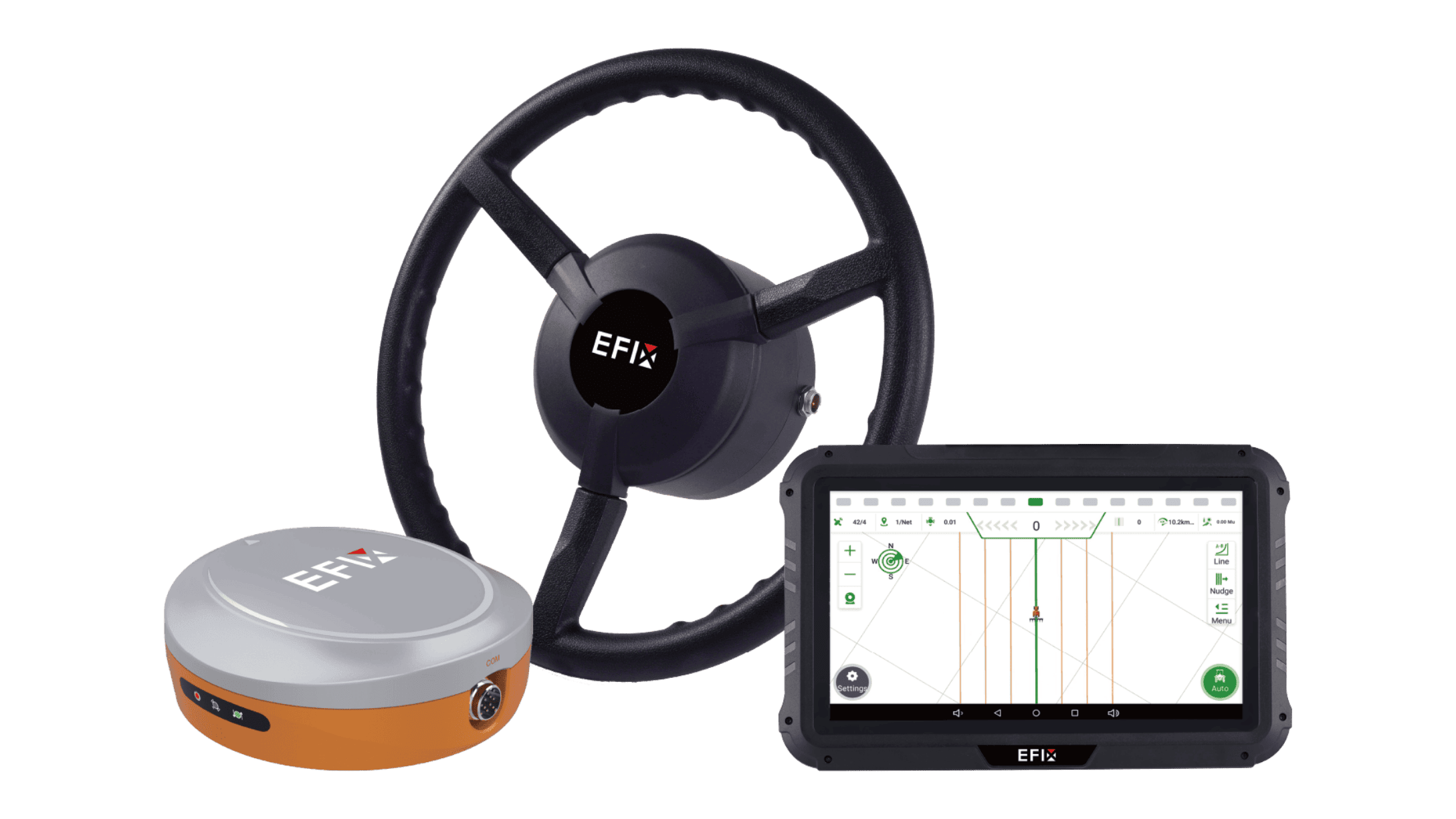
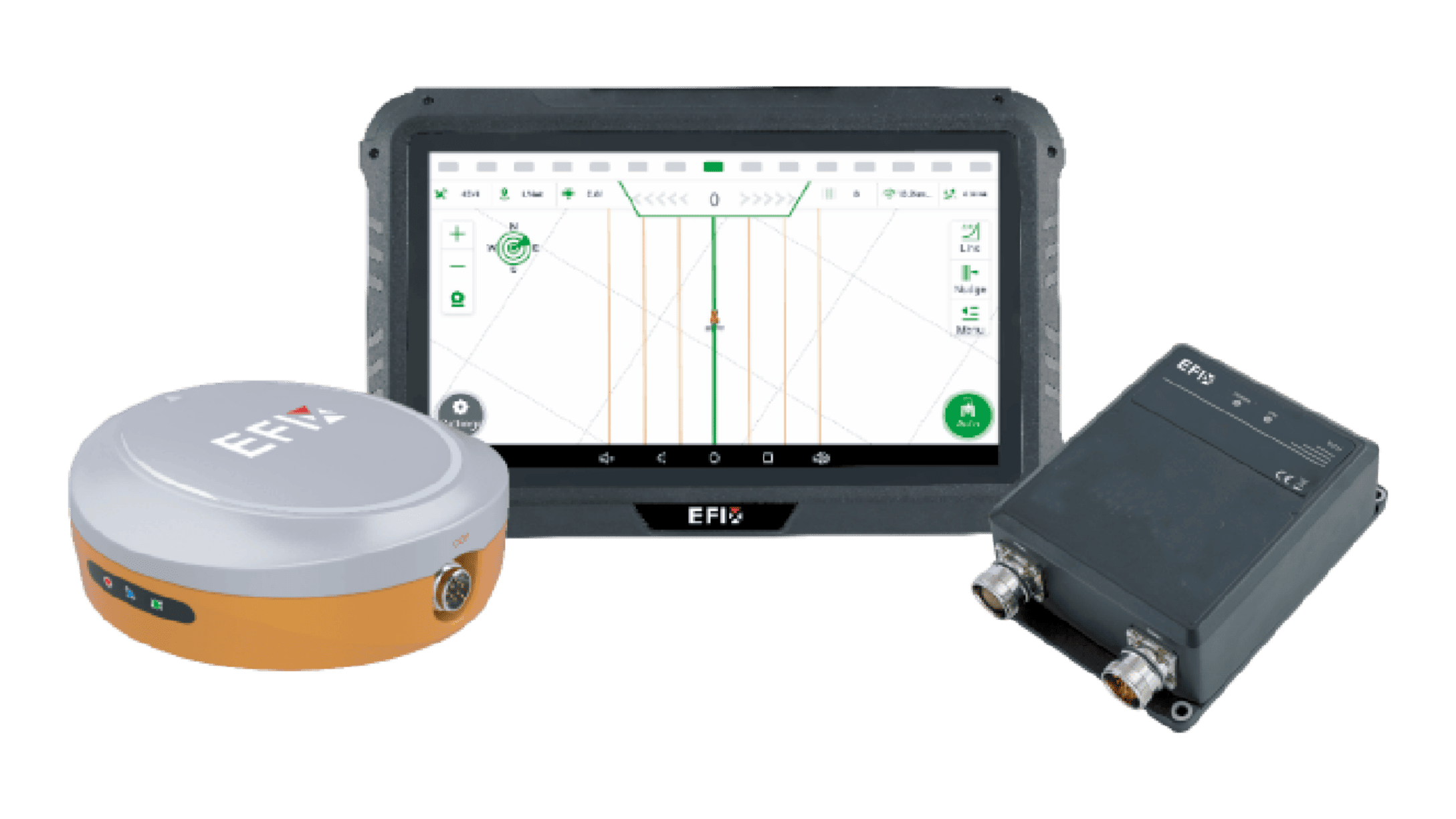
An automatic steering solution usually combines GNSS positioning, correction data, steering control, and predefined guidance lines. The system first determines the machine's position and compares it with the selected route. It can then make steering adjustments to keep the machine closer to the planned path. This reduces the need for the operator to make constant manual corrections. The technology can be especially useful during long working hours or repetitive passes. However, the actual performance depends on factors such as positioning accuracy, correction services, machine setup, and field conditions. Farmers should also understand that automatic steering assists with following a planned route. Operators still need to monitor the machine and respond to unexpected conditions.
Why Guidance Modes Matter for Different Fields
Not every field has the same shape, and not every farming task follows a simple straight line. This is why different guidance modes can be useful. The eSteer20 Max supports diverse field shapes with multiple guidance modes—from AB lines for open fields to curves and irregular paths for challenging boundaries. This allows farmers to select the most suitable route for each task, reducing operator effort and improving coverage accuracy. These options allow farmers to select a route that better matches the field layout and specific operation. An automatic steering system with flexible guidance modes can be more practical for farms that work across different field shapes. The key is to choose a guidance path that supports the task instead of forcing every operation into the same route.
What Farmers Should Consider Before Choosing
Before selecting a system, farmers should consider the type of work, field layout, machine compatibility, required accuracy, and operator experience. Straight-line guidance may be enough for some large fields, while irregular or curved fields may benefit from more flexible path options. It is also important to consider how easily operators can create and switch between guidance lines. A system that is difficult to configure may reduce the practical value of its advanced functions. Farmers should therefore evaluate both technical capabilities and daily usability. The optimal solution is one that fits existing workflows and can adapt to the range of operations performed on the farm.
Conclusion
An automatic steering system helps agricultural machinery follow planned routes by combining positioning data with steering control. Its value comes from improving path consistency, reducing manual steering workload, and supporting different field operations. However, farmers should look beyond basic automation and consider guideline flexibility, positioning performance, equipment compatibility, and actual field conditions. At EFIX, we believe practical precision agriculture technology should adapt to real farming needs. By understanding how automated guidance works and choosing suitable path options, growers can make better decisions about how this technology fits into their daily operations.