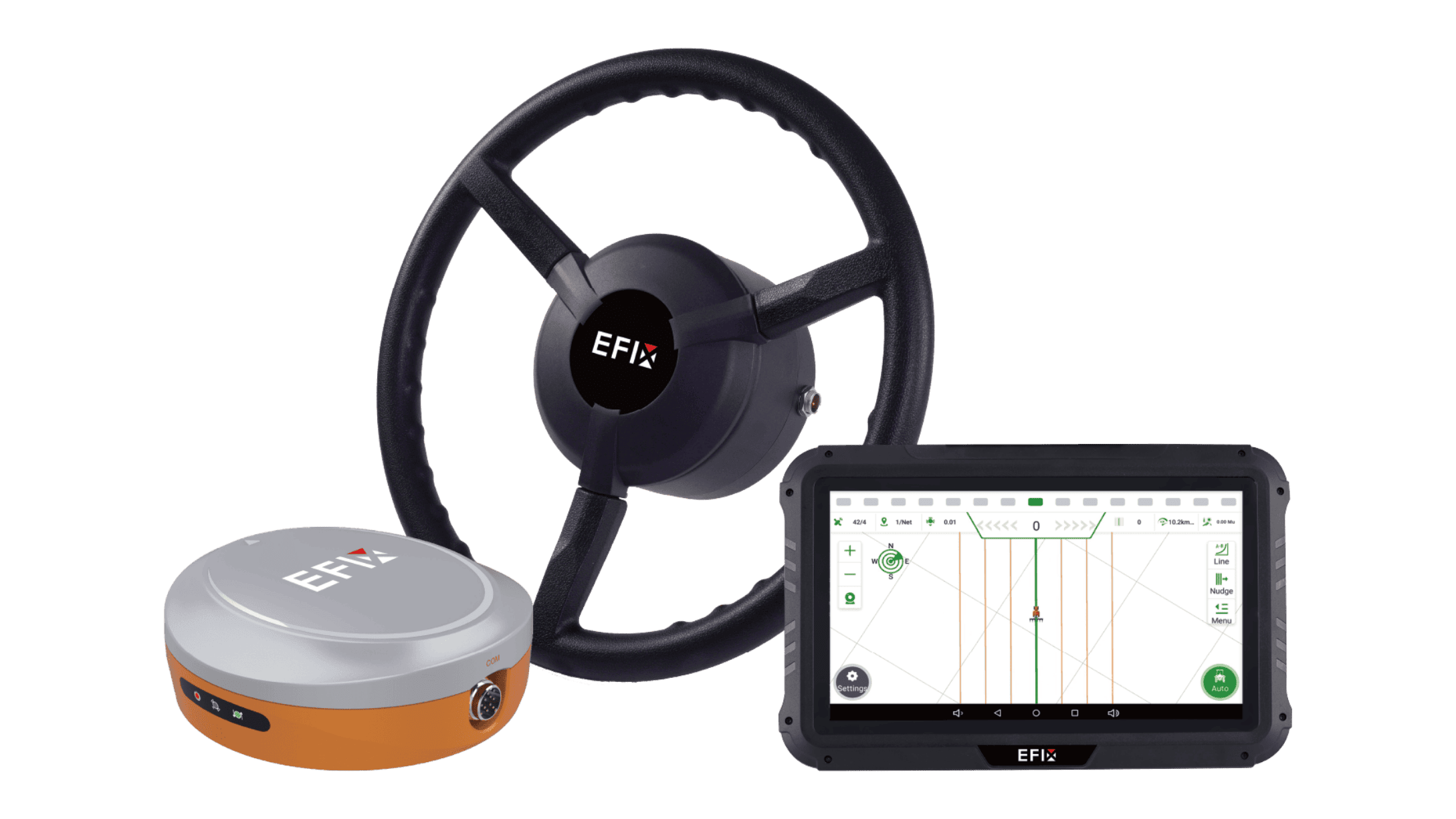
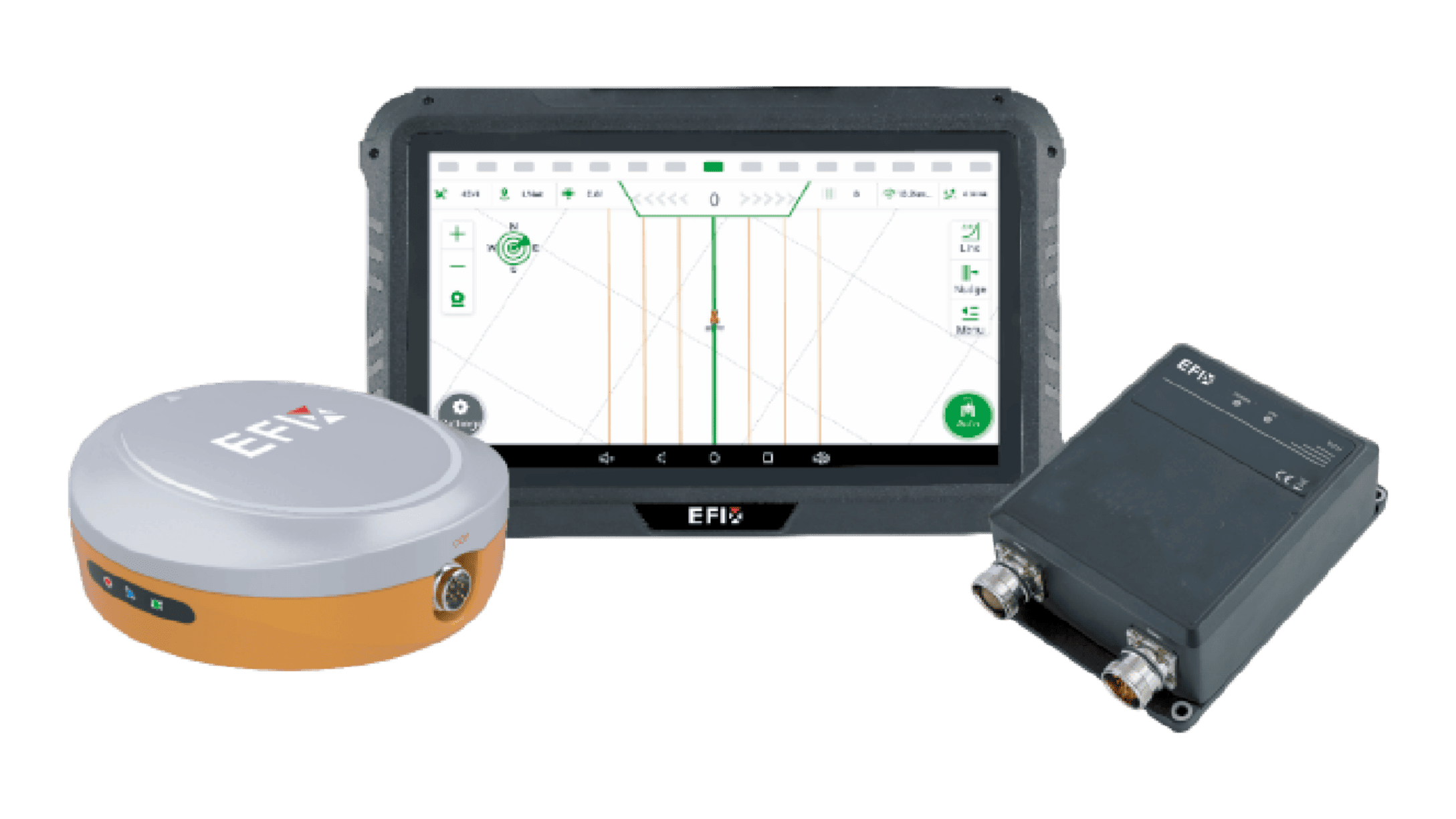
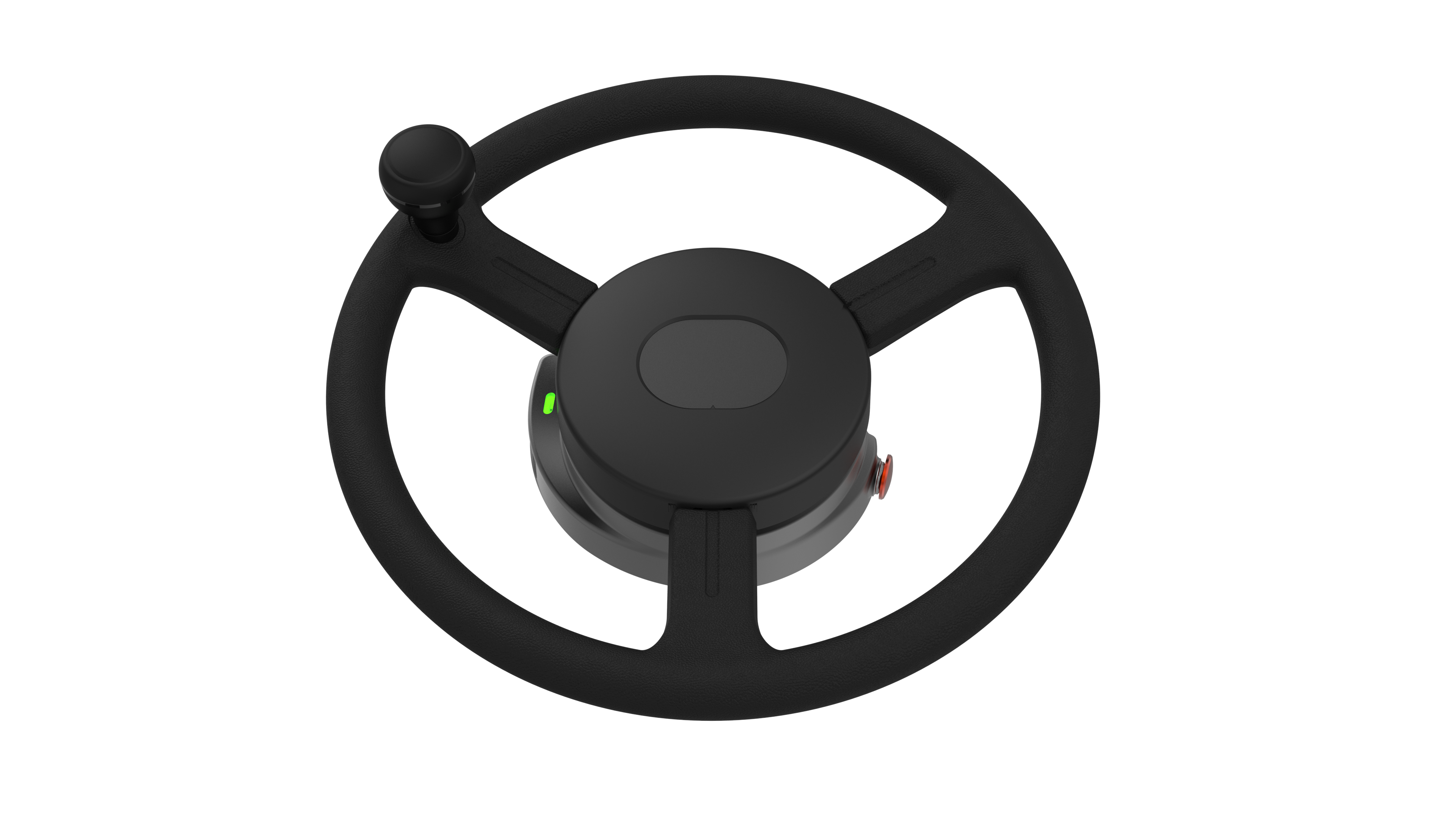
Precision guidance can make daily field work more consistent, but good results depend on how the technology is used. An autosteer kit needs correct setup, suitable positioning data, and proper calibration before it can support tasks such as planting, spraying, or cultivation. Operators should also understand the field conditions and select guidance paths that match each operation. At EFIX, we focus on practical technology that helps farmers connect guidance, machine control, and precision agriculture functions in a more efficient workflow.
Set Up the System for Accurate Guidance
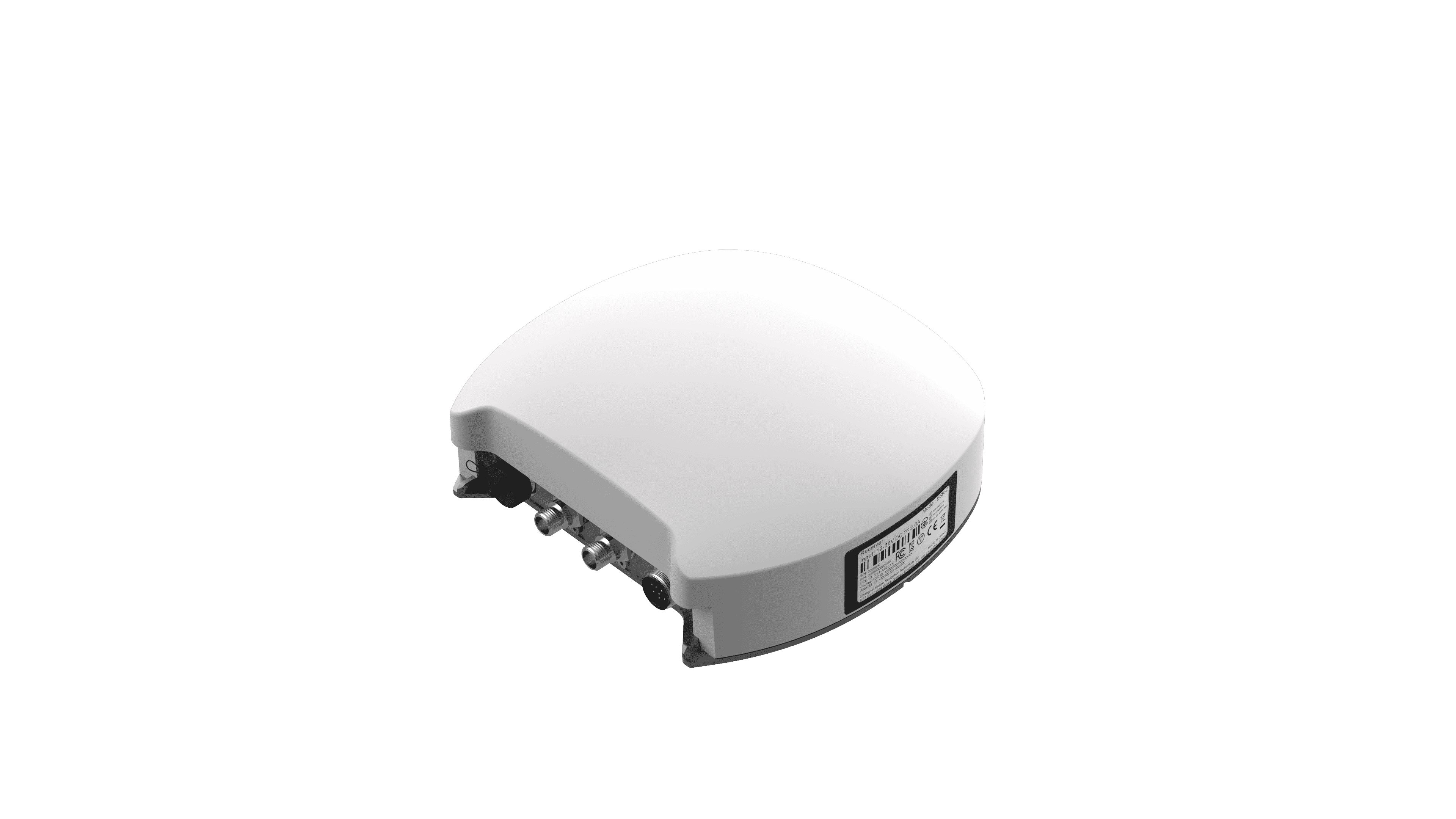
The first step is to configure the system according to the machine and field. Operators should check the antenna position, steering parameters, GNSS correction source, and implement dimensions. Accurate measurements are important because incorrect offsets can affect the machine's path. It is also useful to test the system at a low speed before starting full field operations. An autosteer kit should not be treated as a system that works without supervision. Operators still need to monitor positioning, field obstacles, and machine performance throughout the operation.
Match Guidance with the Farming Task
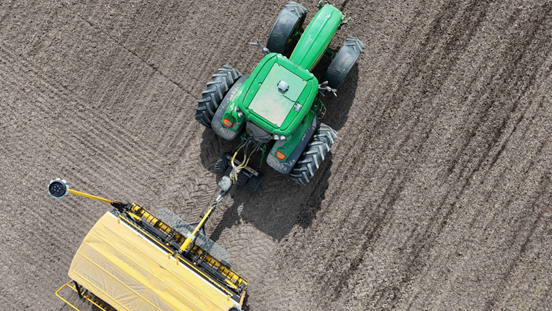
Different agricultural tasks require different guidance strategies. Straight AB lines may work well in regular fields, while curved or irregular paths may be more suitable for fields with unusual boundaries. Operators should select the guidance mode based on the crop, field shape, and equipment being used. It is also important to consider working speed and required accuracy. Taking time to plan the route before starting can reduce unnecessary adjustments during operation. This makes an autosteer kit more useful as part of a complete field management process rather than simply an automated steering tool.
Use ISOBUS to Simplify Machine Control
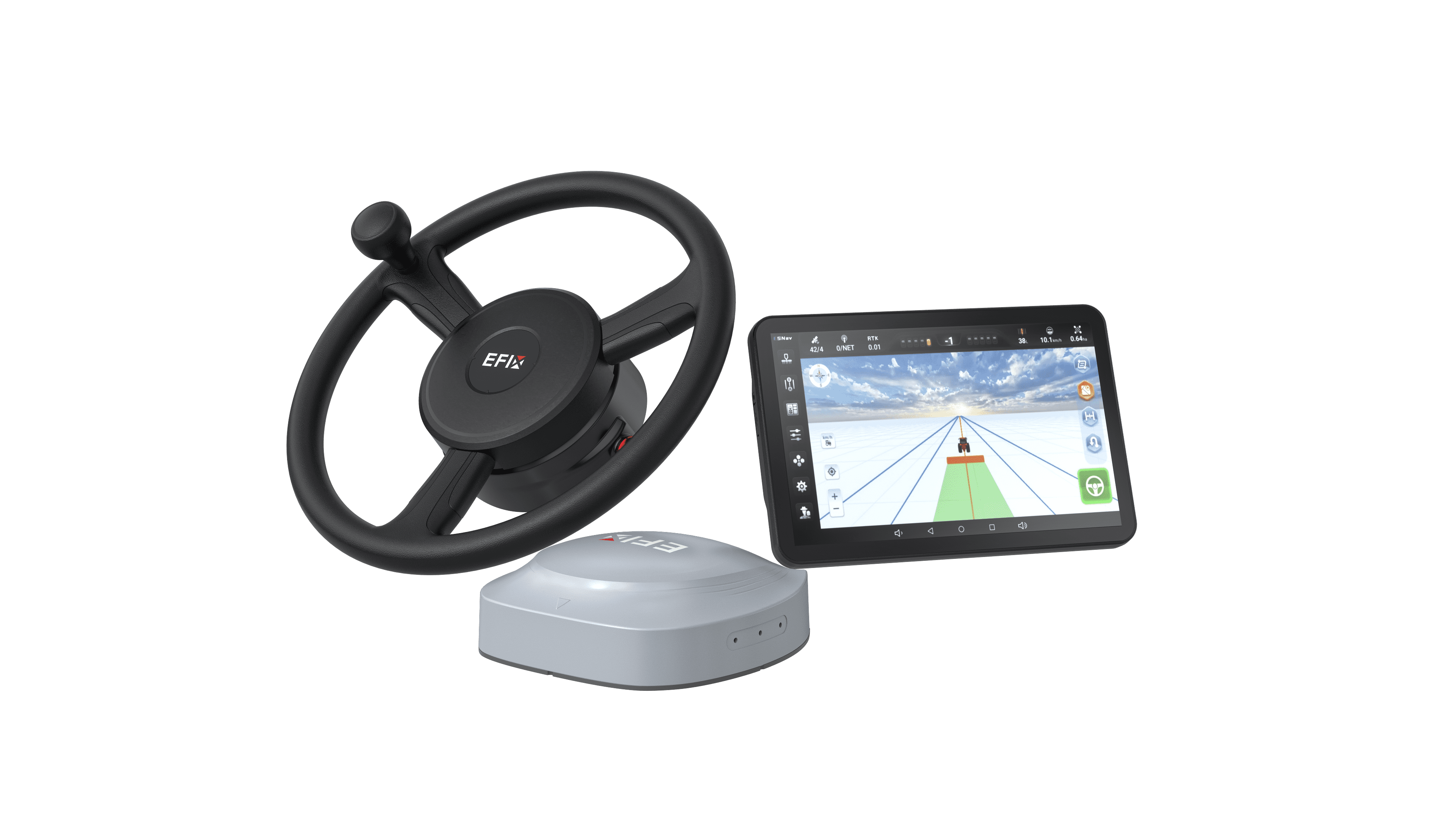
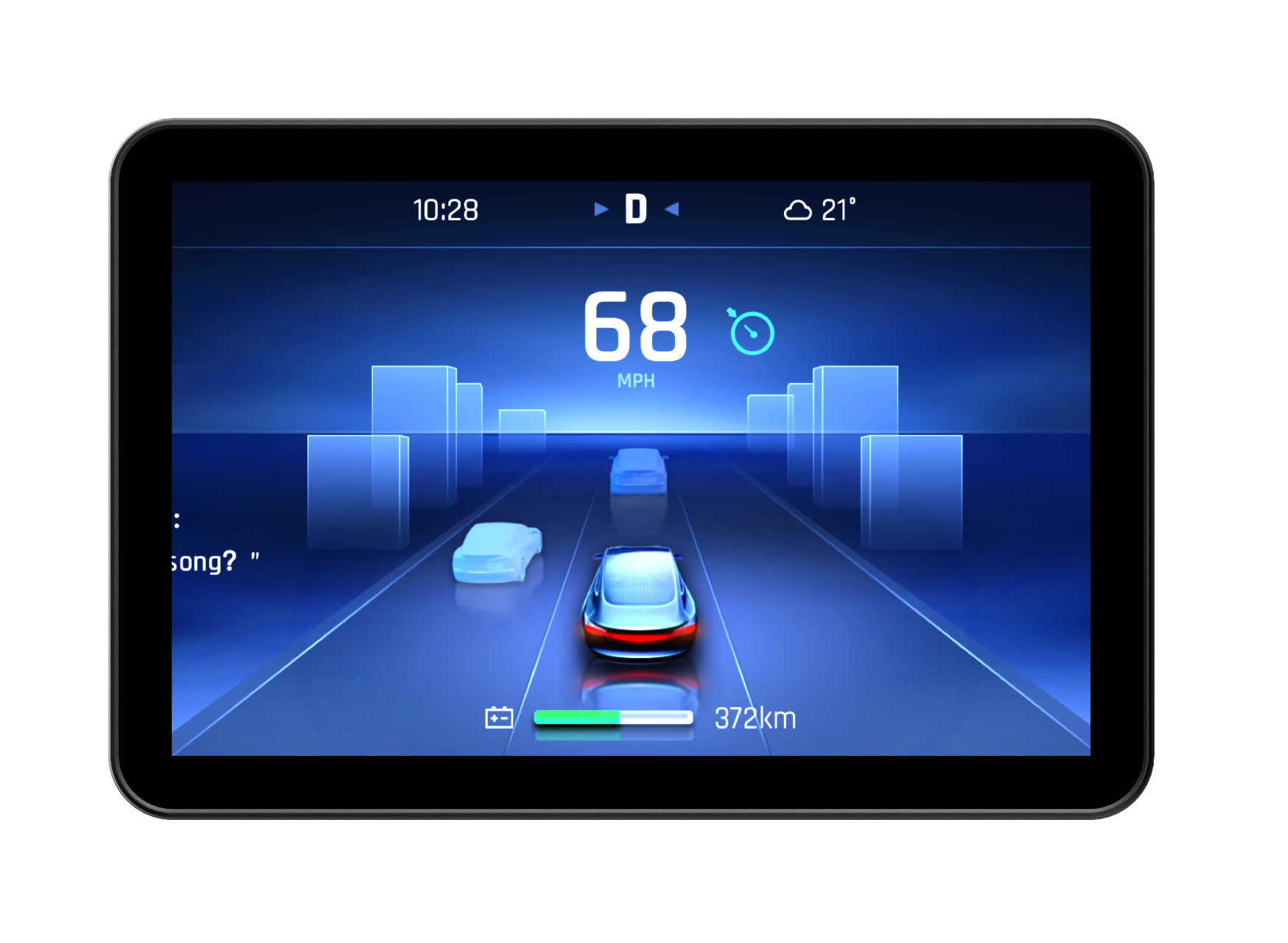
Modern agricultural operations often involve several machines and implements, which can make control more complicated. ISOBUS can help simplify this process by allowing compatible equipment to communicate through a shared system. The eSteer 20 Max uses a new display with a stronger chip and supports full ISOBUS functions, including UT, SC, and GEO. It can also control compatible implements through one terminal. This can reduce the need for multiple displays and help operators manage different functions from a more unified interface.
Conclusion
Using an autosteer kit effectively requires more than switching on automated steering. Proper setup, accurate measurements, suitable guidance paths, and regular operator monitoring all affect the final results. Integrating guidance with technologies such as ISOBUS can also simplify equipment management and improve the overall workflow. At EFIX, we believe precision agriculture technology should be practical and easy to apply in real farming environments. By combining careful preparation with the right system functions, farmers can make better use of automated guidance and modern machine control.