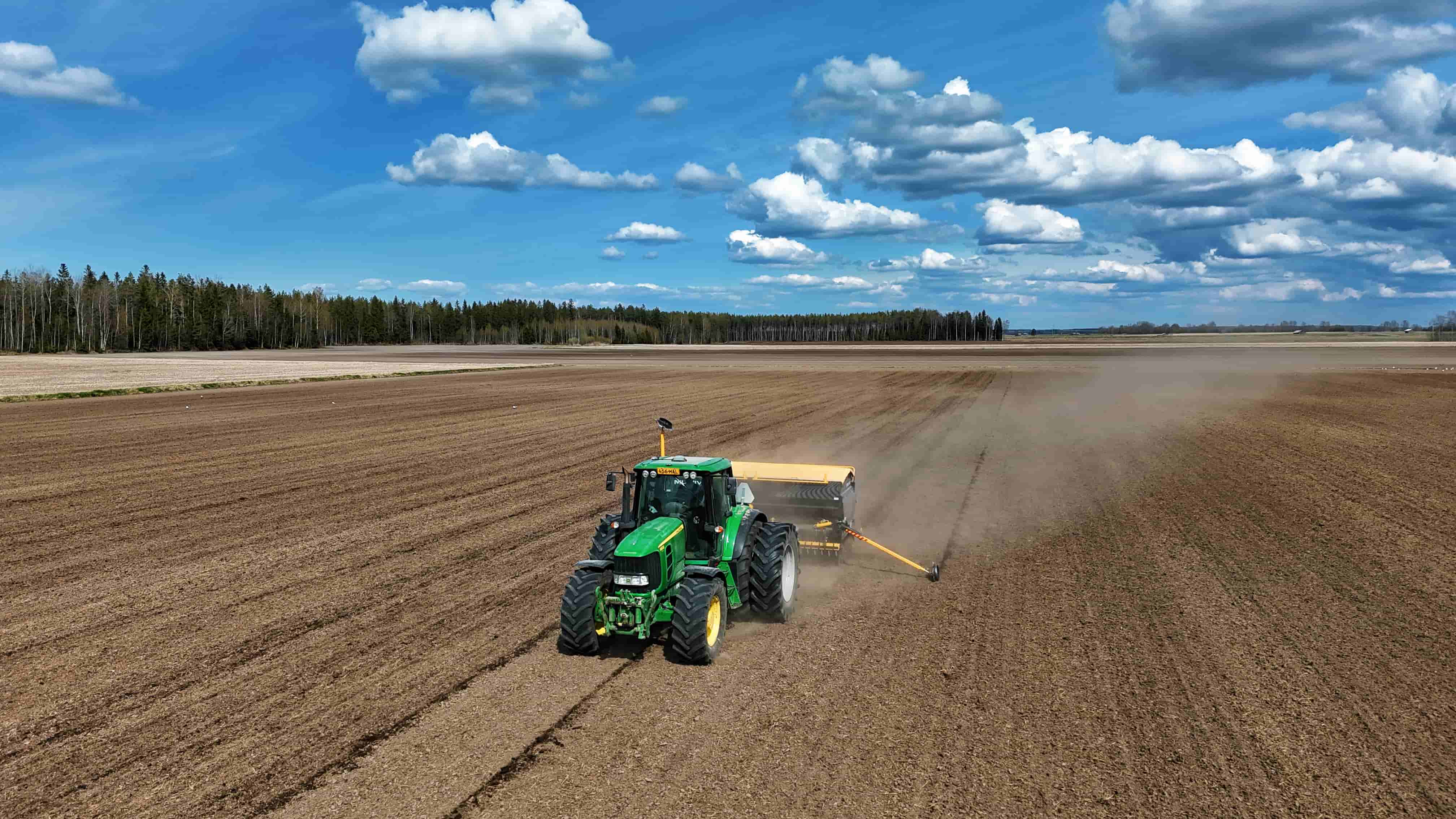
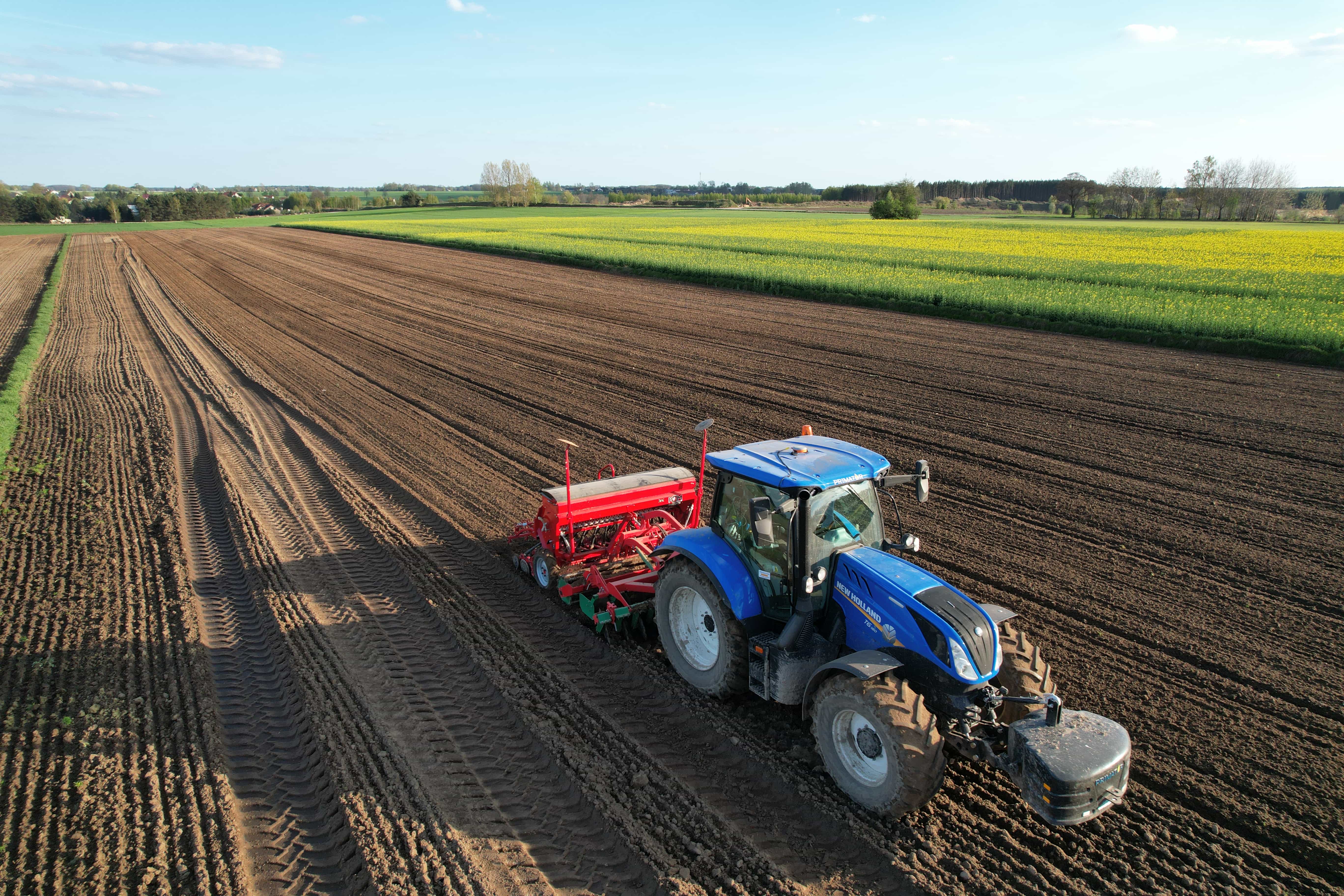
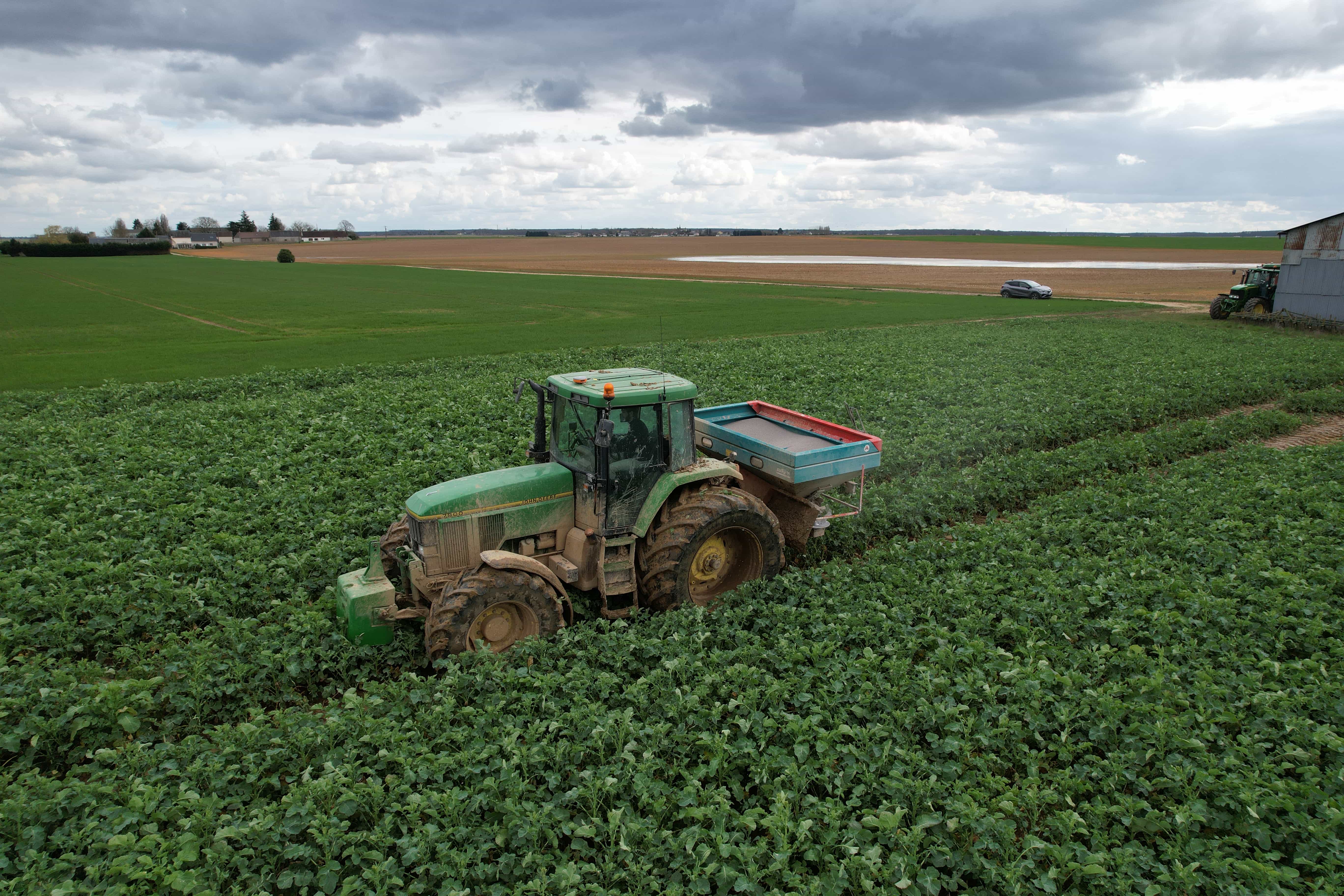
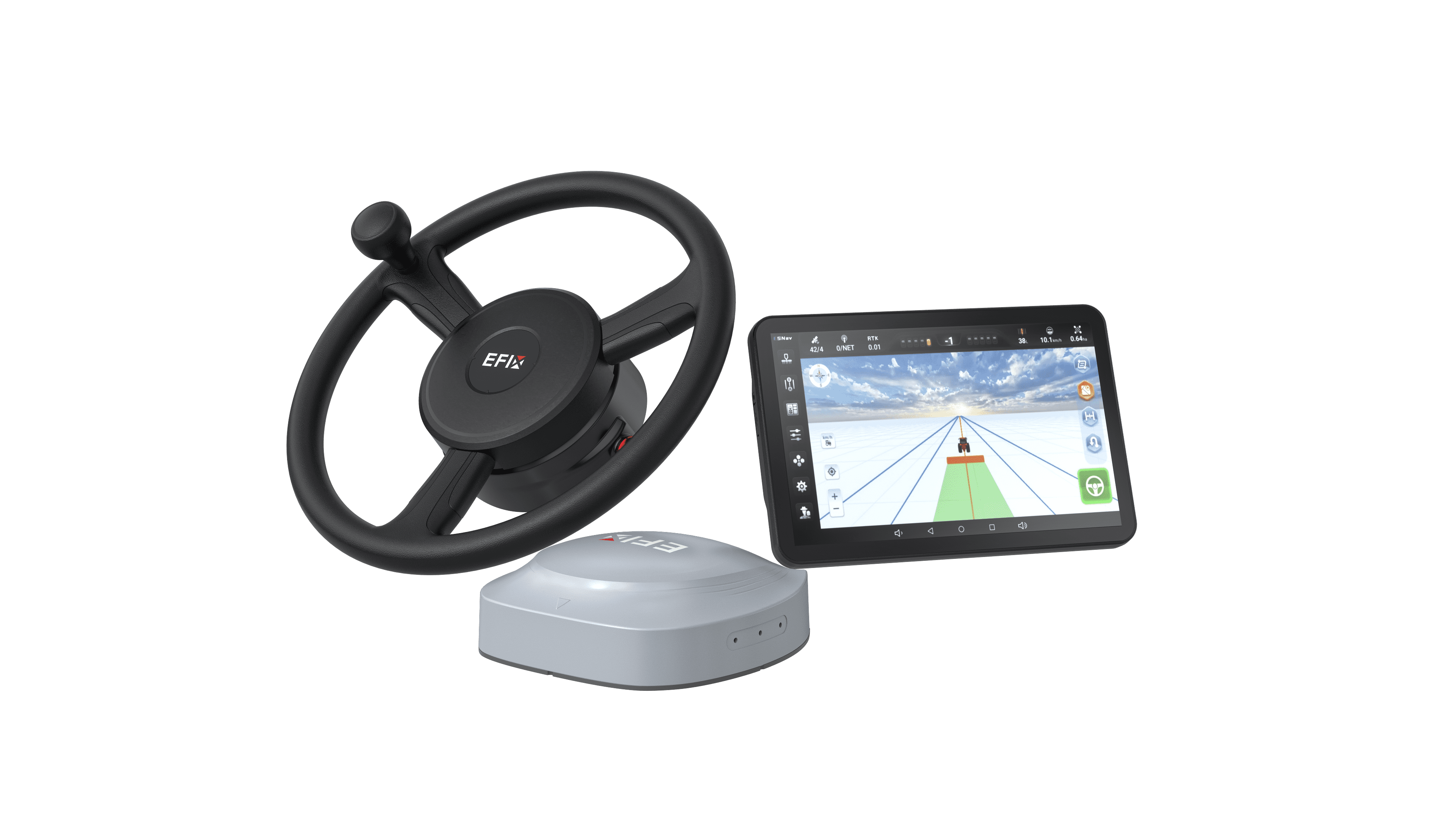
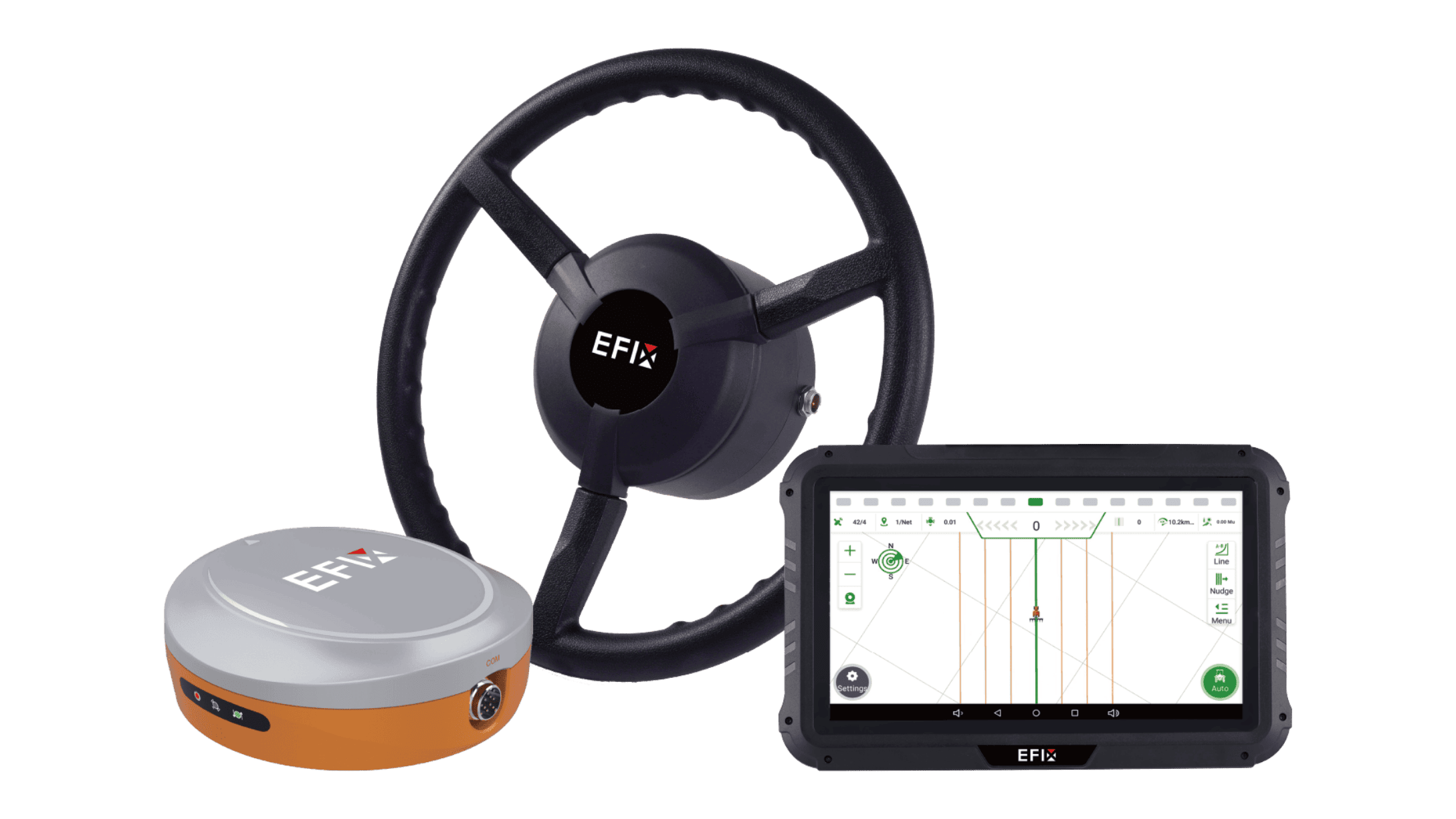
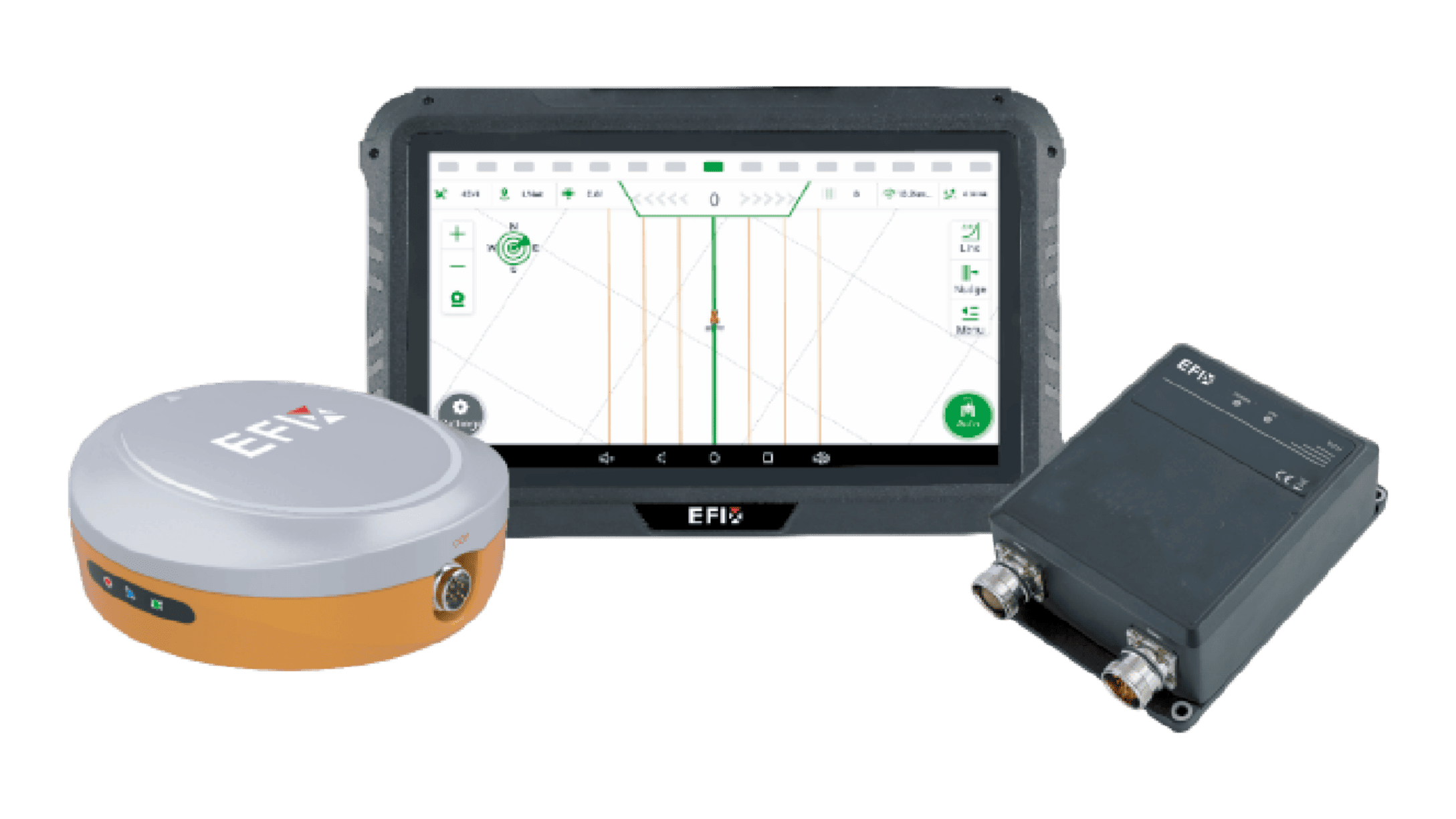
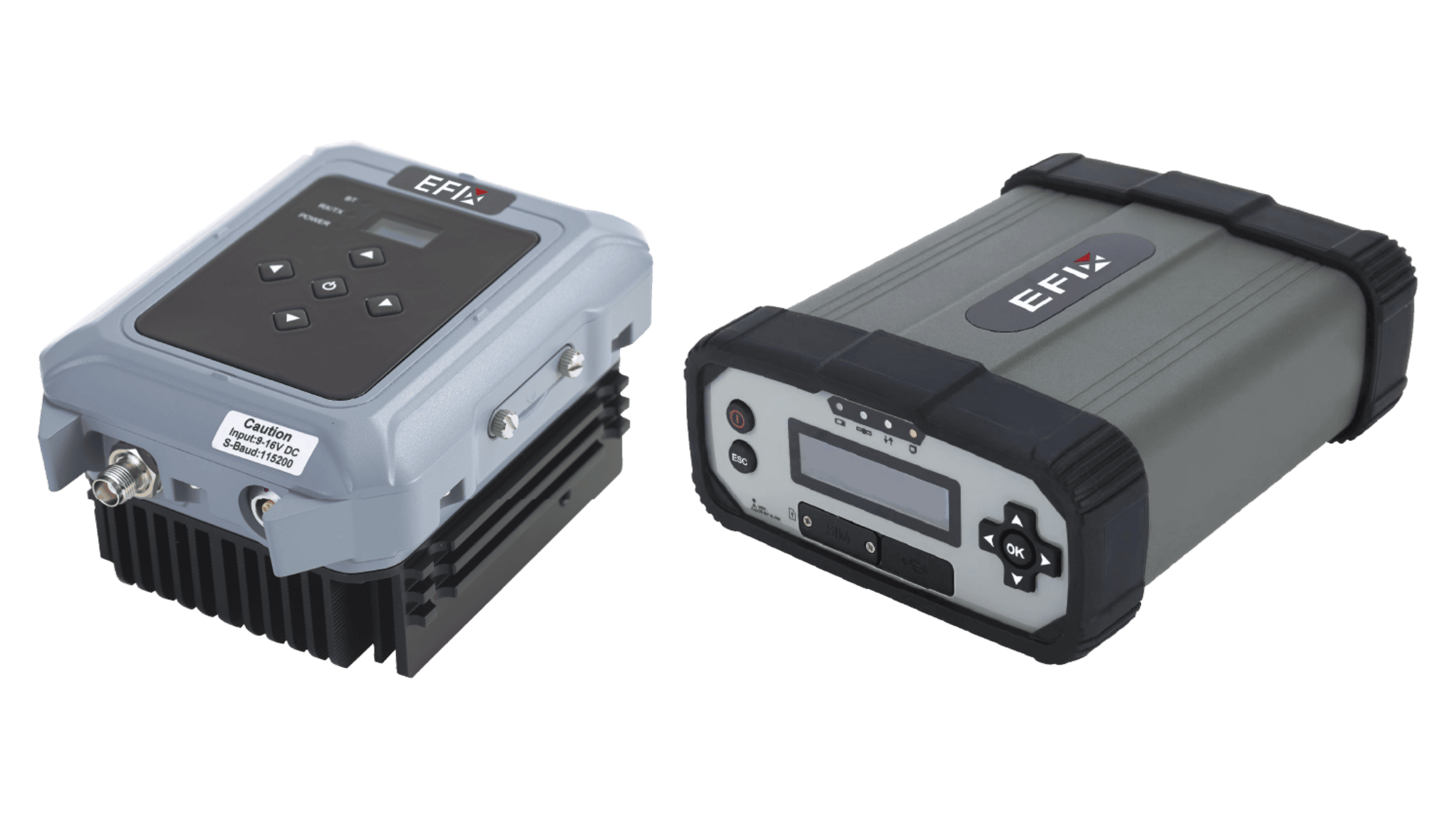
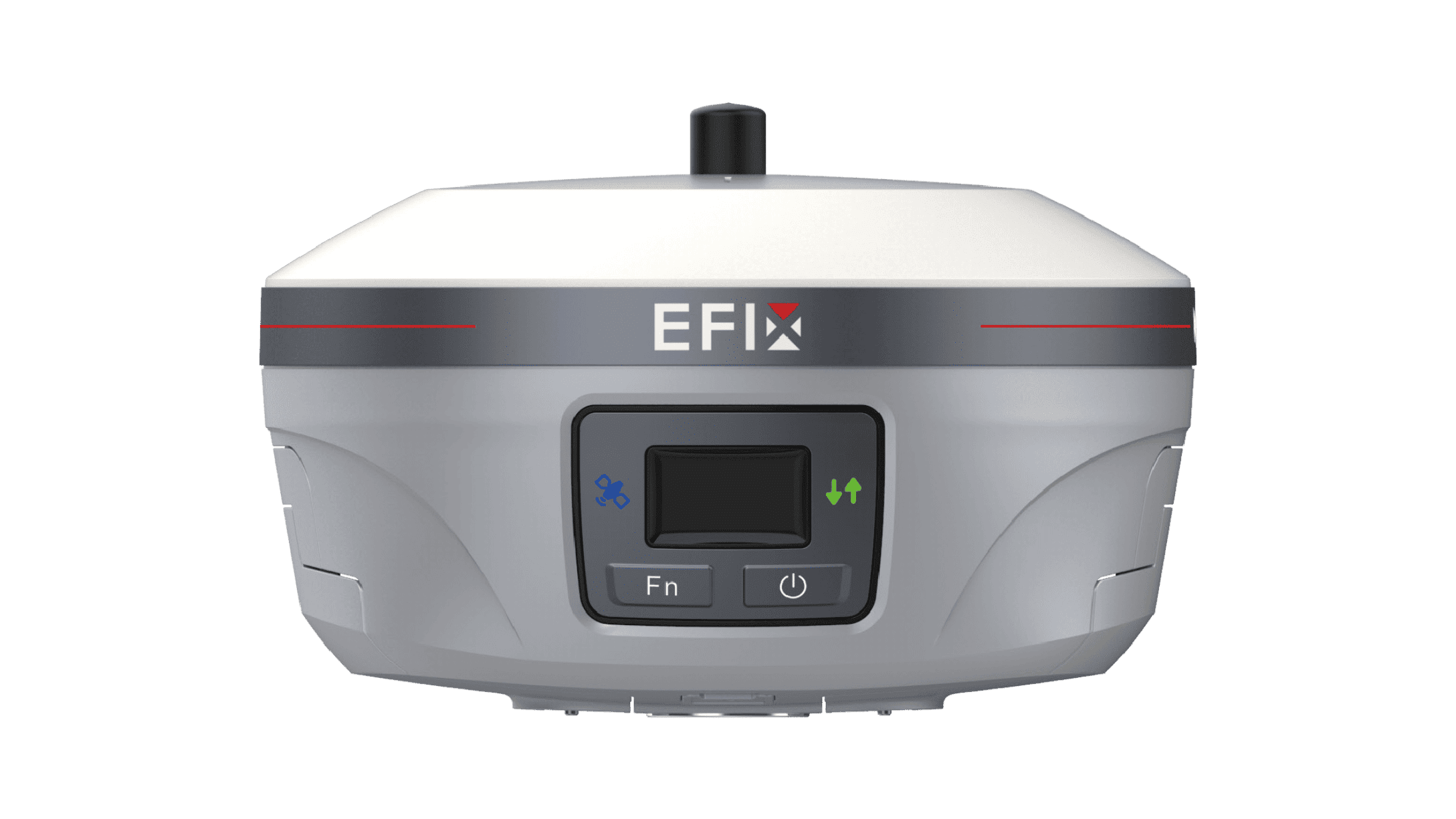
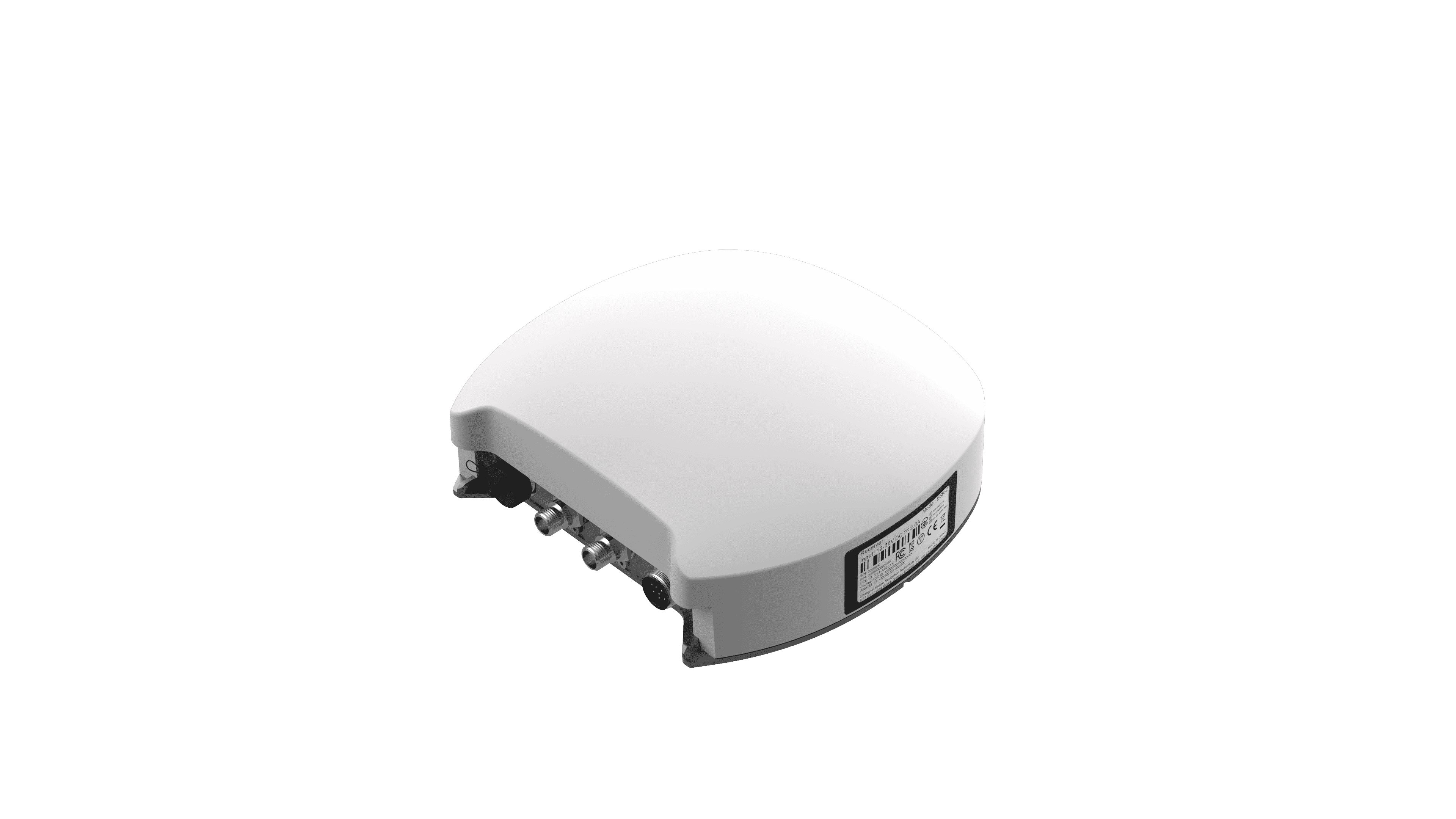
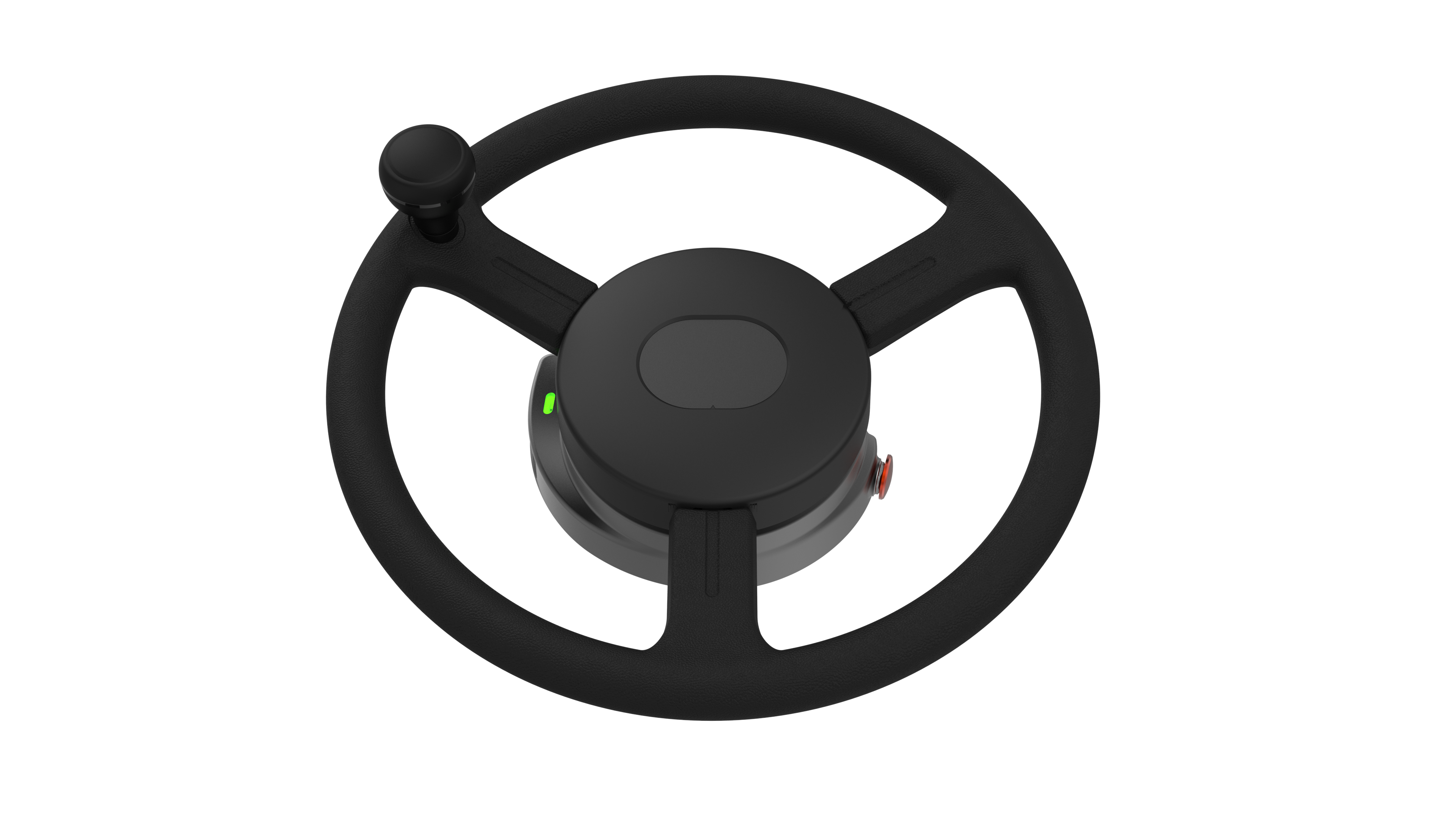
Modern farm operations often require machines to follow consistent paths across large or complex fields. Manual steering can become tiring during long working hours, while small path deviations may cause overlap or missed areas. An auto steering system can help reduce these challenges by using positioning data and automated steering control. Its value depends on more than basic navigation. Accuracy, guidance flexibility, turning functions, and compatibility with different farming tasks all matter. At EFIX, we focus on practical agricultural technology that can support different field conditions and help farmers build more efficient workflows.
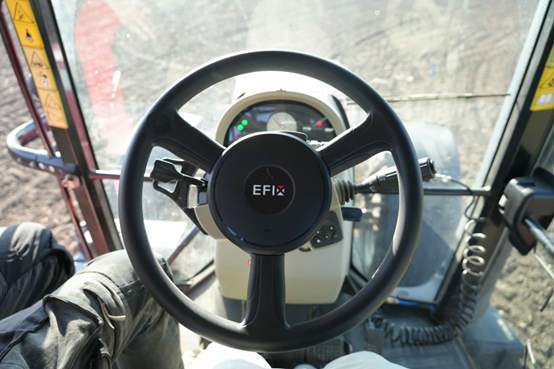
Improve Accuracy and Reduce Operator Workload
One of the main benefits of automated steering is consistent machine movement. The system can help maintain a planned route, reducing the need for constant manual corrections. This can be useful during planting, spraying, cultivation, and other repetitive operations. Less steering work may also reduce operator fatigue during long shifts. However, farmers should still monitor the machine and field conditions. GNSS signal quality, correction services, machine setup, and terrain can all affect performance. Choosing a suitable positioning solution is therefore an important part of getting useful results from automated guidance.
Choose Flexible Guidance and Turning Functions
Field layouts are rarely identical. Some farms have regular rectangular fields, while others include irregular boundaries, curves, or narrow headlands. Flexible turning options can make automated steering more practical in these situations. The eSteer20 Max supports several U-turn modes, including skipping U-turn, curve U-turn, boundary U-turn, and headland U-turn. These options allow operators to select a turning method based on the field layout and specific task. A flexible auto steering system can therefore help farmers manage different field conditions without relying on one fixed turning strategy.
Connect Automation with Different Farming Tasks
The ideal guidance solution should fit the full farming workflow. Farmers should consider whether the system can support different machines, operating speeds, guidance paths, and precision requirements. It is also useful to check whether additional functions can be added as farm needs change. Automated steering may provide the most value when combined with other precision agriculture technologies, such as implement guidance or application control. Instead of focusing only on individual features, farmers should evaluate how the technology can work as part of their existing equipment and daily operations.
Conclusion
An auto steering system can support modern farming through more consistent machine paths, lower steering workload, and flexible operation across different field layouts. However, the right solution should be selected based on actual farm needs. Guidance accuracy, GNSS performance, turning options, equipment compatibility, and ease of use all deserve attention. At EFIX, we believe useful agricultural technology should adapt to real working conditions. By choosing features that match specific tasks, farmers can make better use of automated guidance and improve the consistency of everyday field operations.