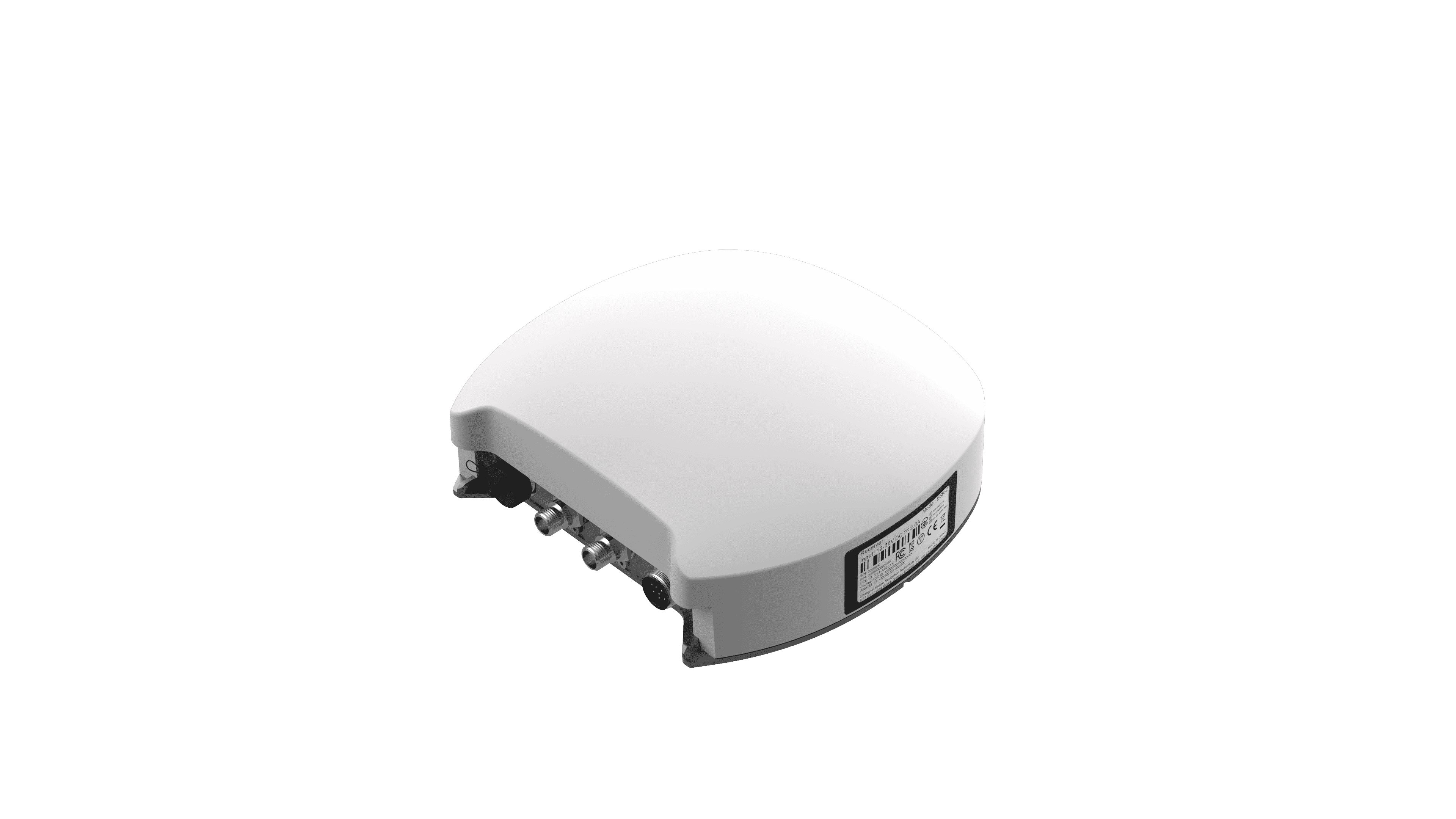
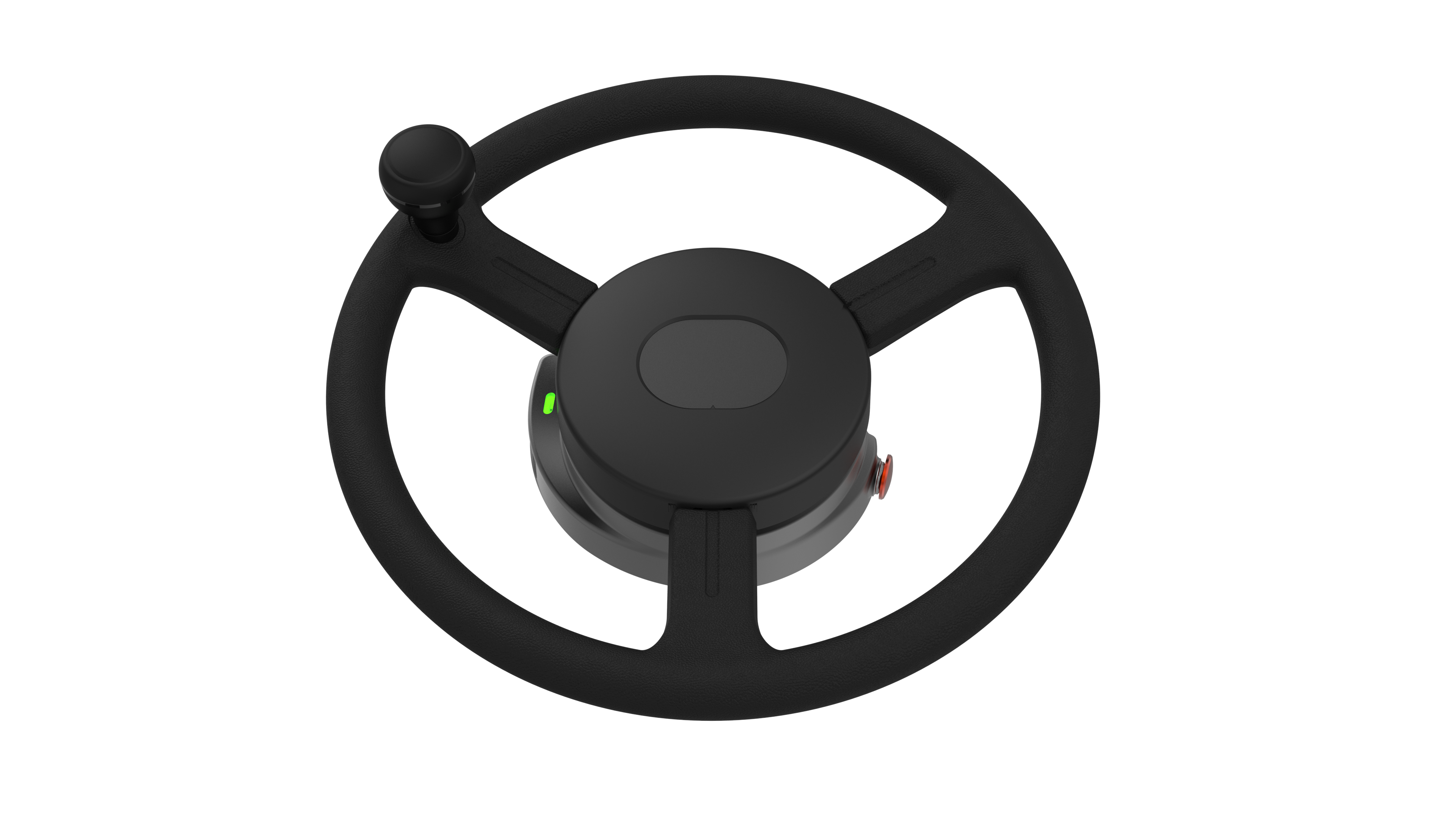
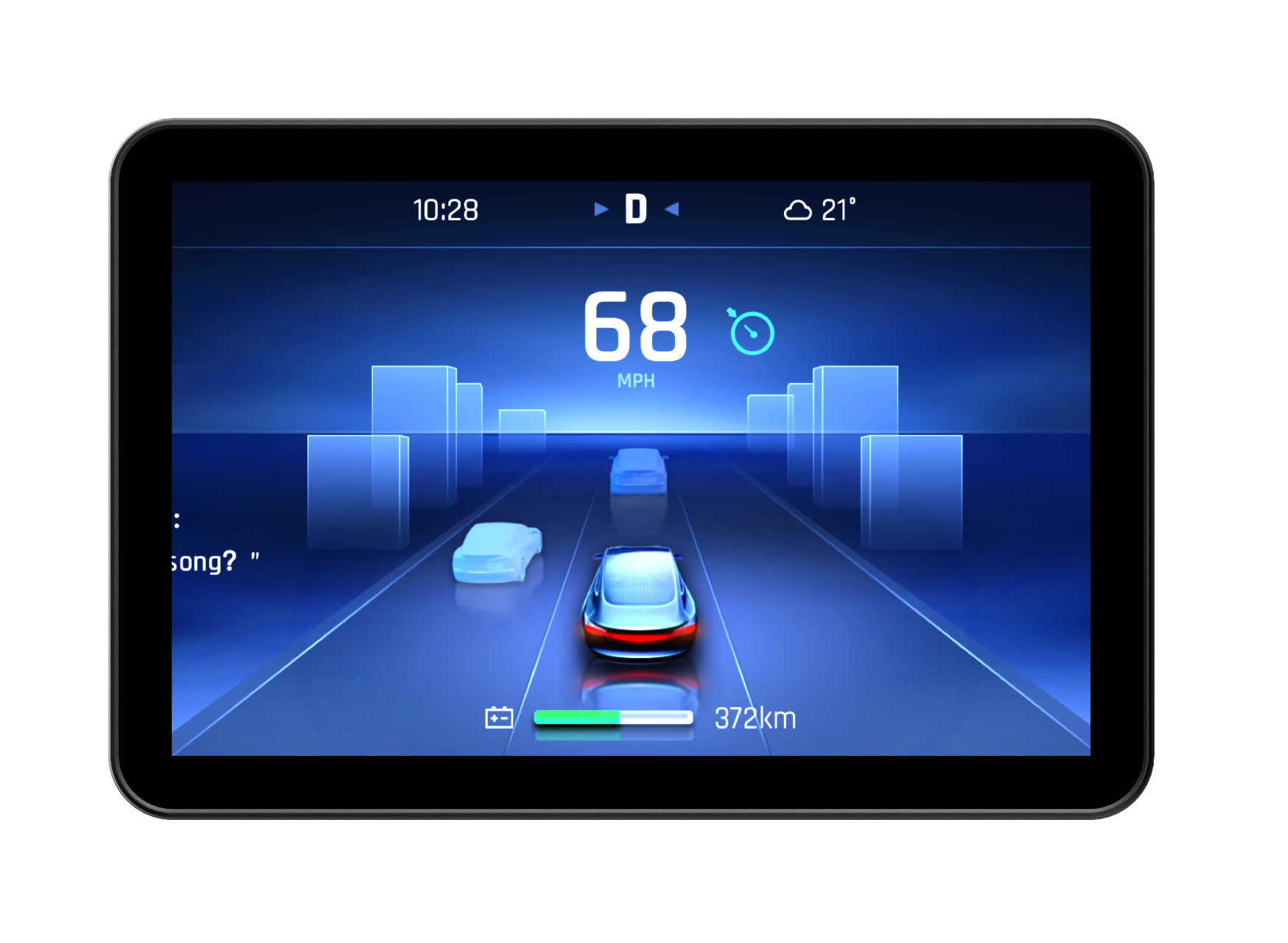
Technology investments on a farm should solve real problems rather than simply add new equipment. For many growers, an auto steer system may help reduce operator fatigue, improve path consistency, and support more efficient field operations. However, the value depends on factors such as field size, crop type, working hours, and the level of accuracy required. A small farm with short working passes may have different needs from a large operation covering hundreds of acres. At EFIX, we believe farmers should first identify their operational challenges and then choose technology that fits their actual workflow.
Where Automated Steering Creates Real Value
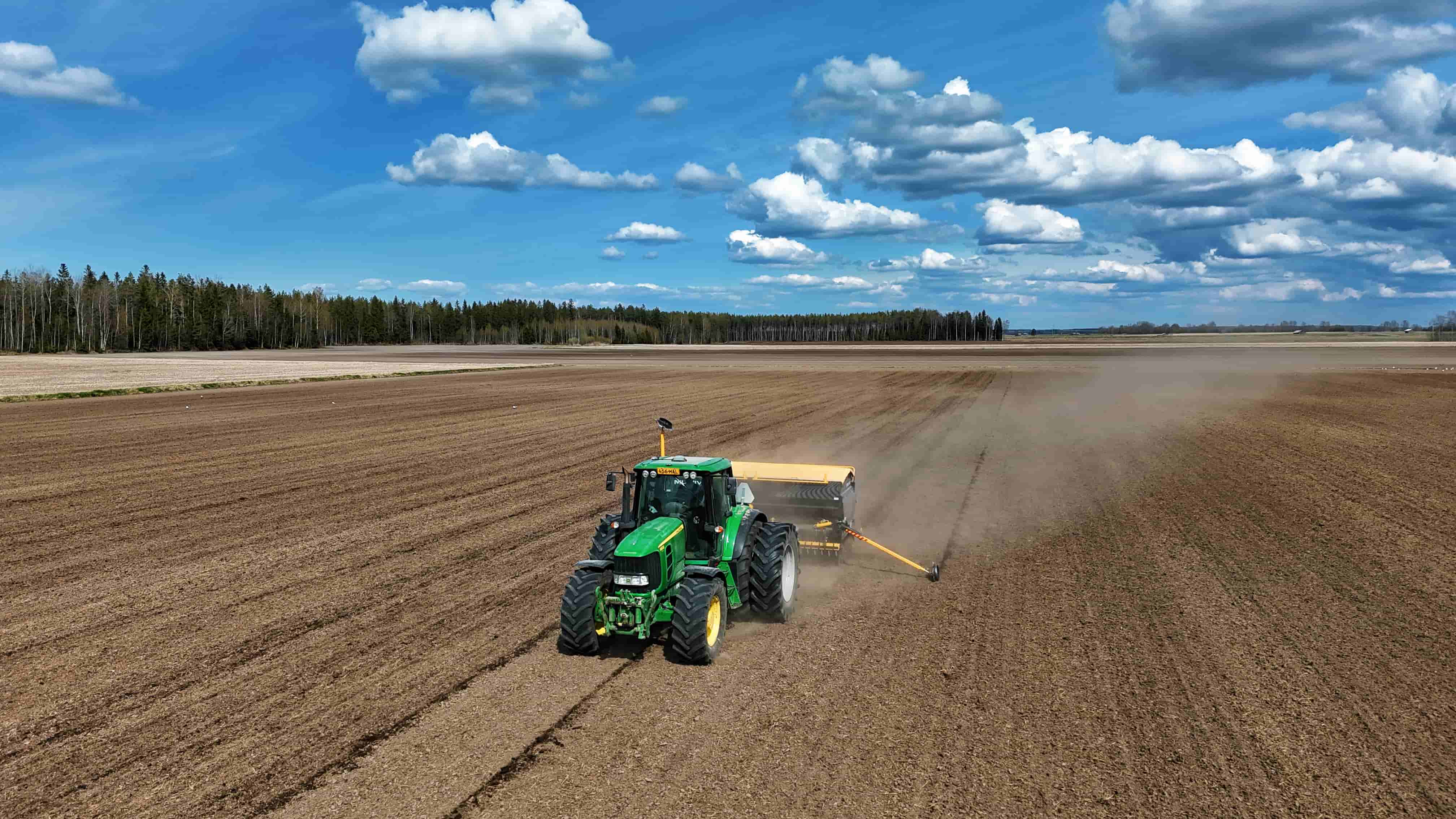
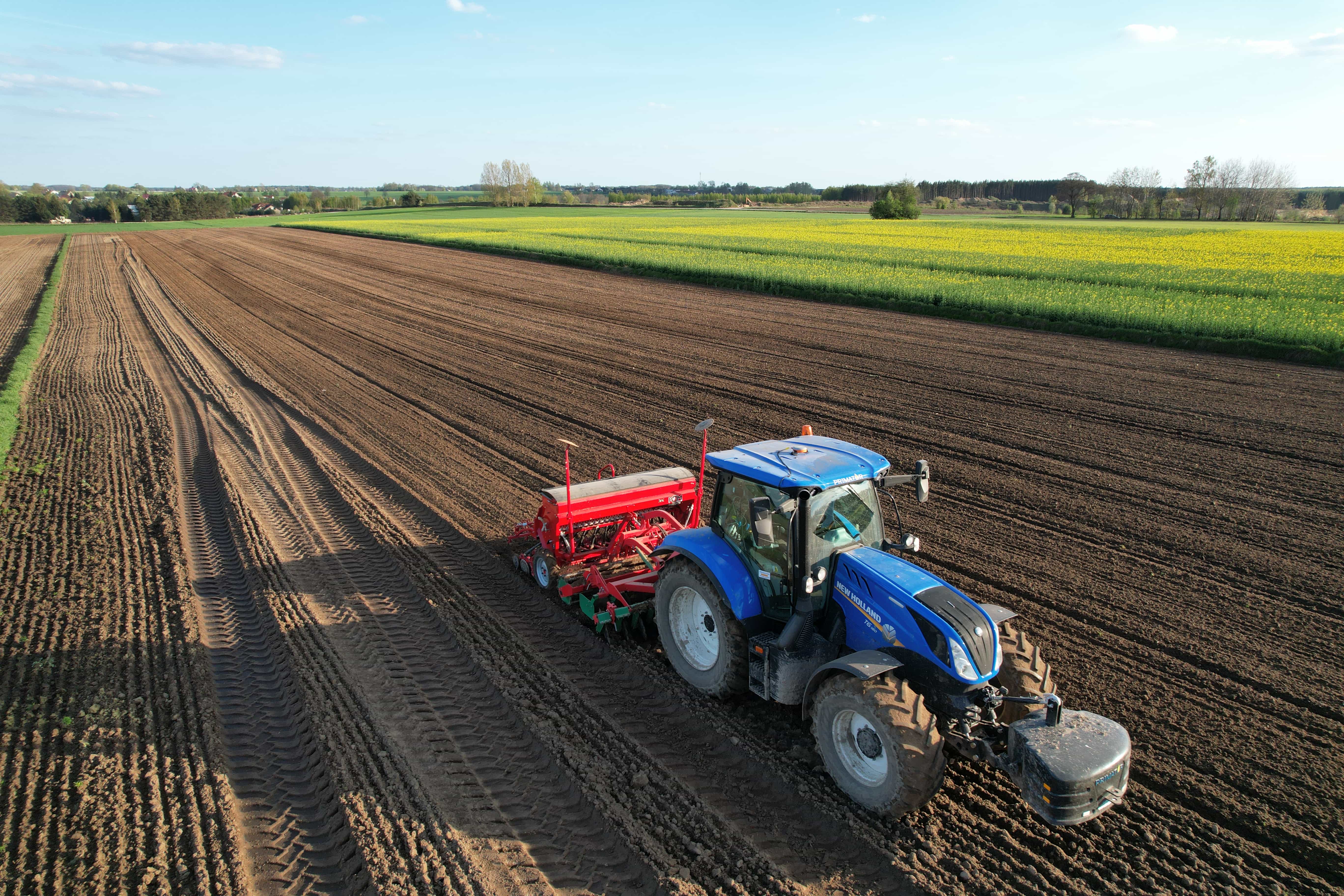
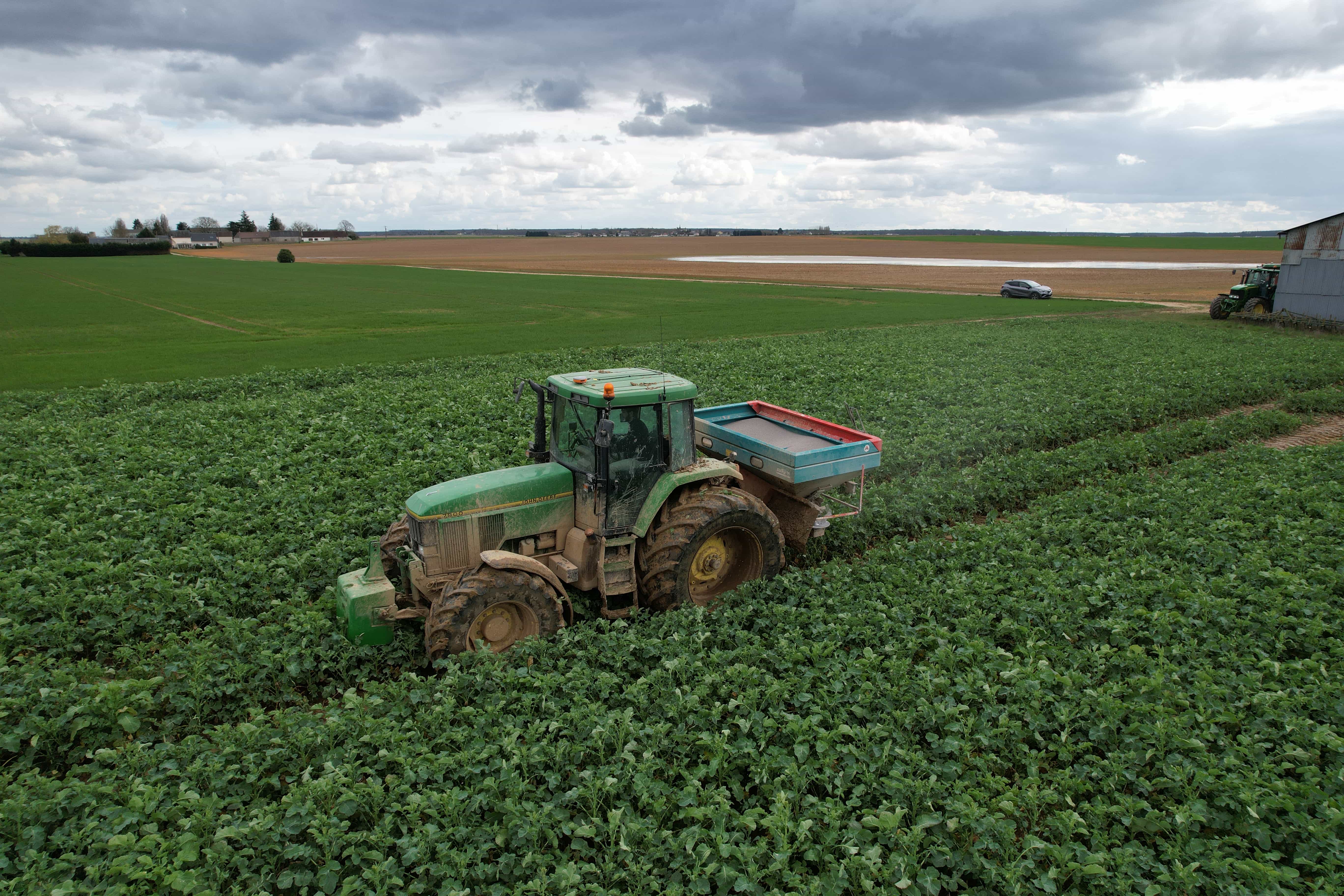
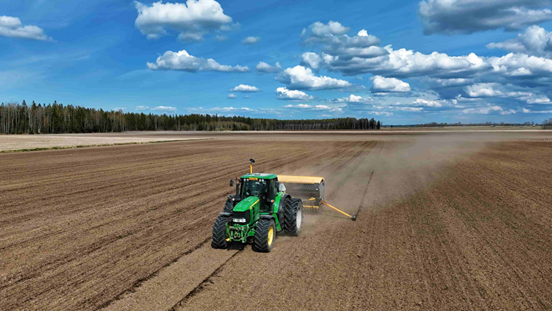
Automated steering can be useful when machines need to follow repeated paths for long periods. It can reduce the need for constant manual steering and help operators maintain more consistent passes. This may be valuable for planting, spraying, cultivation, and other tasks where overlap or missed areas can affect efficiency. The technology can also reduce operator fatigue during long working days. However, the benefits are not the same for every farm. Farmers should consider how often the system will be used and whether improved path consistency can create meaningful value in their specific operations.
Consider the Cost and Farming Needs
The cost of automated guidance includes more than the initial equipment price. Farmers may also need to consider installation, GNSS correction services, maintenance, training, and future upgrades. Before buying an auto steer system, it is useful to estimate how often it will be used and which farming tasks will benefit most. A flexible system may provide greater value if it can support multiple machines or different field operations. Farmers should also consider whether their current equipment is compatible and whether the system can adapt as the farm develops.
Look Beyond Basic Steering Functions
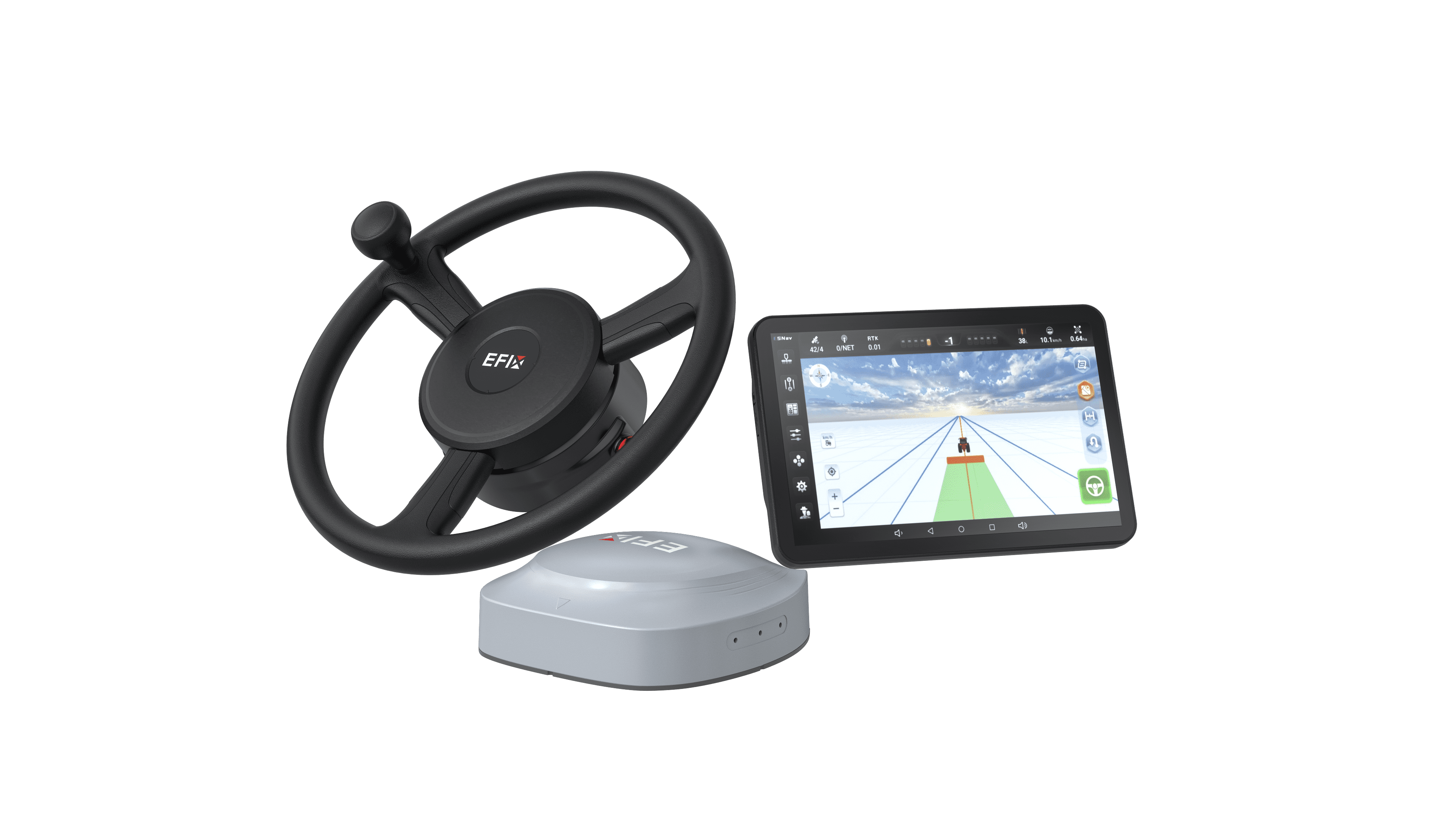
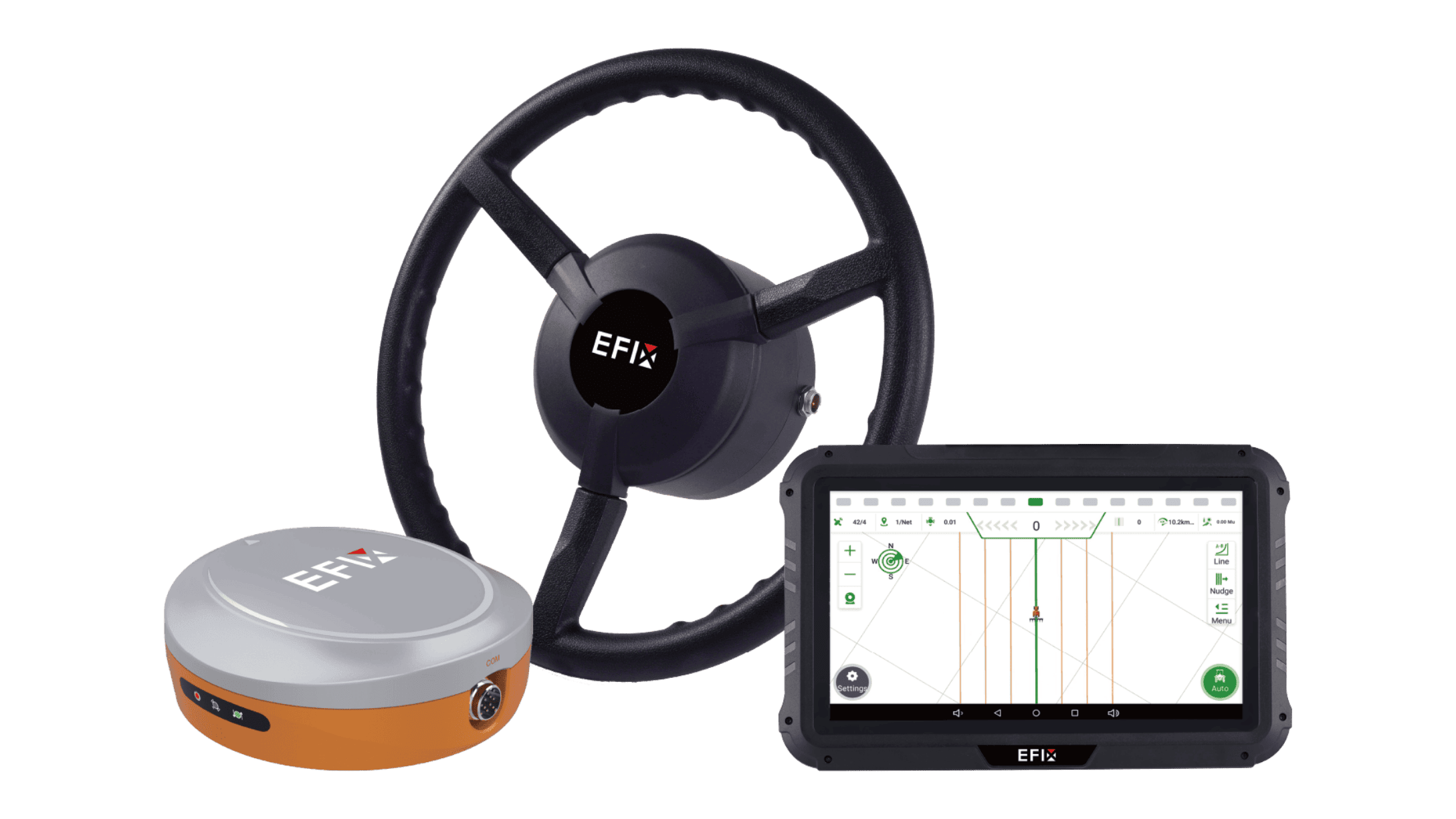
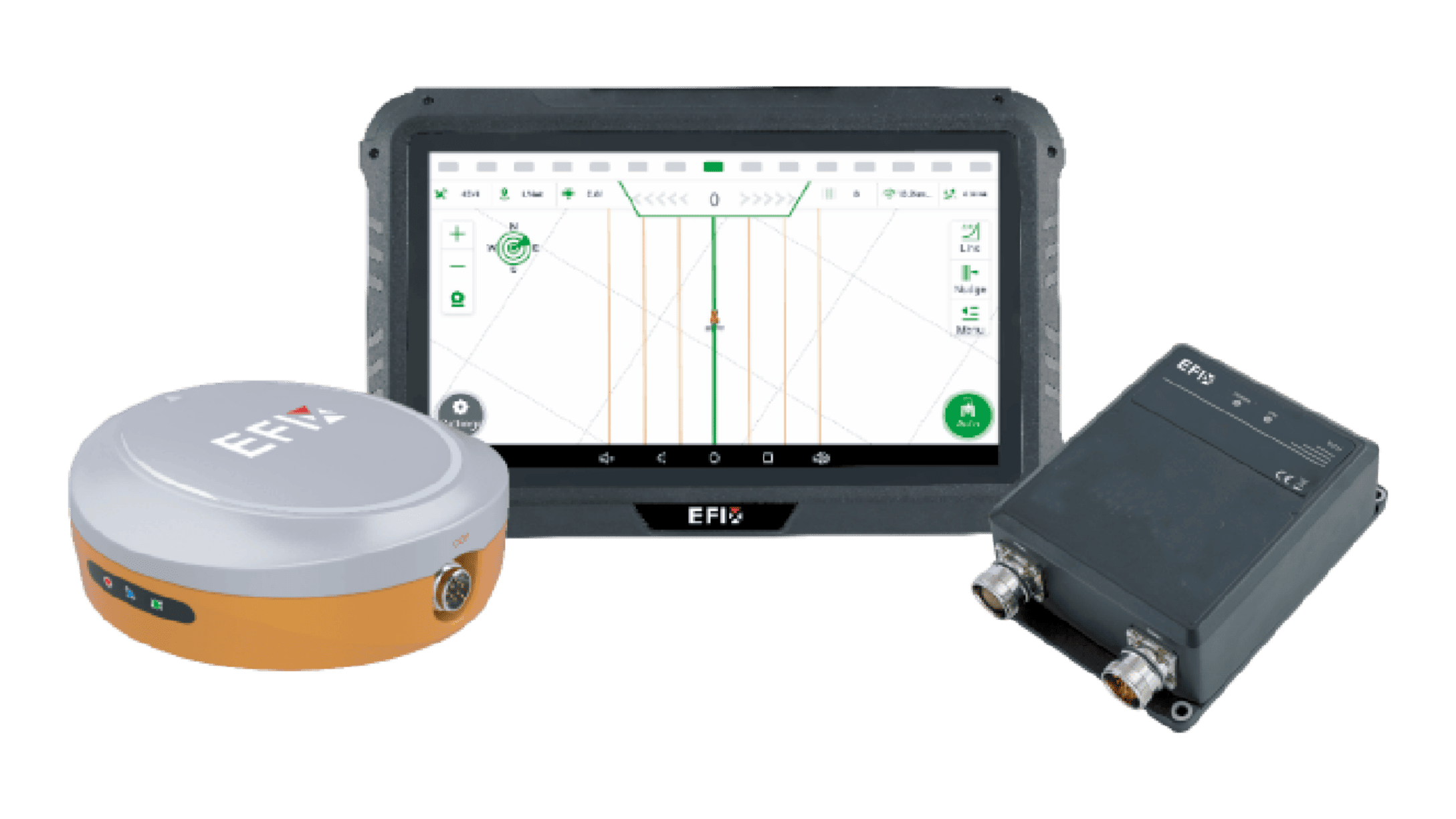
The value of automated steering can increase when it works with other precision agriculture functions. For example, stronger hardware can support visual guidance, implement guidance, and row guidance for different field tasks. The eSteer 20 Max is designed with extended functions that can support these applications. This type of flexibility may be useful for farms that need more than basic steering assistance. Still, farmers should choose functions based on actual requirements rather than paying for features they may not use. The goal is to build a practical technology setup that supports daily operations.
Conclusion
An auto steer system can be a worthwhile investment when it addresses clear operational needs. Farms with long working hours, repetitive field passes, or demanding accuracy requirements may gain more value from automated guidance. Smaller farms may need to consider usage frequency and total costs more carefully. At EFIX, we focus on practical agricultural technology that can adapt to different farming tasks and conditions. By comparing expected benefits with actual needs, farmers can make a more informed decision about whether automated steering is a suitable investment for their operation.