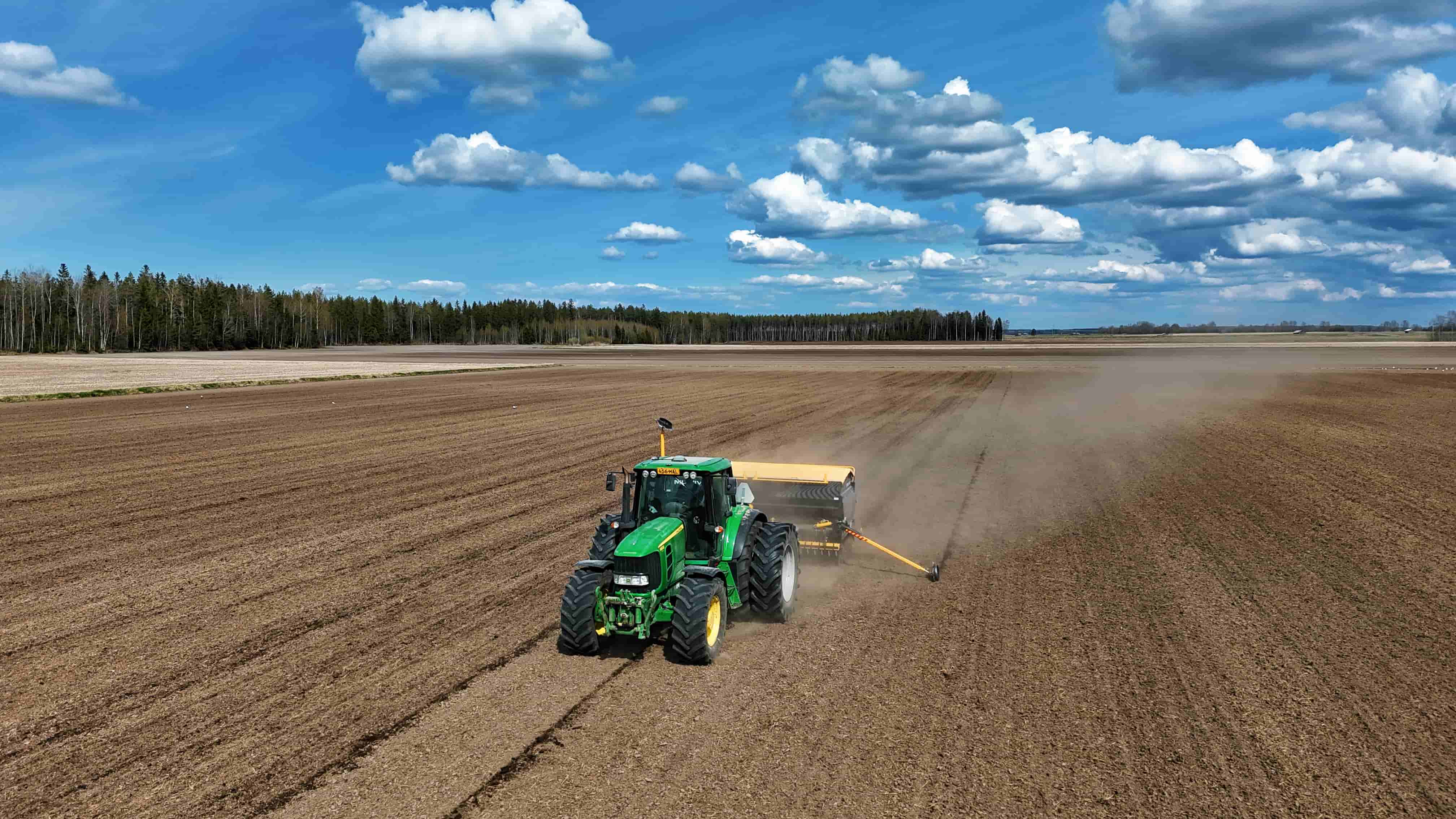
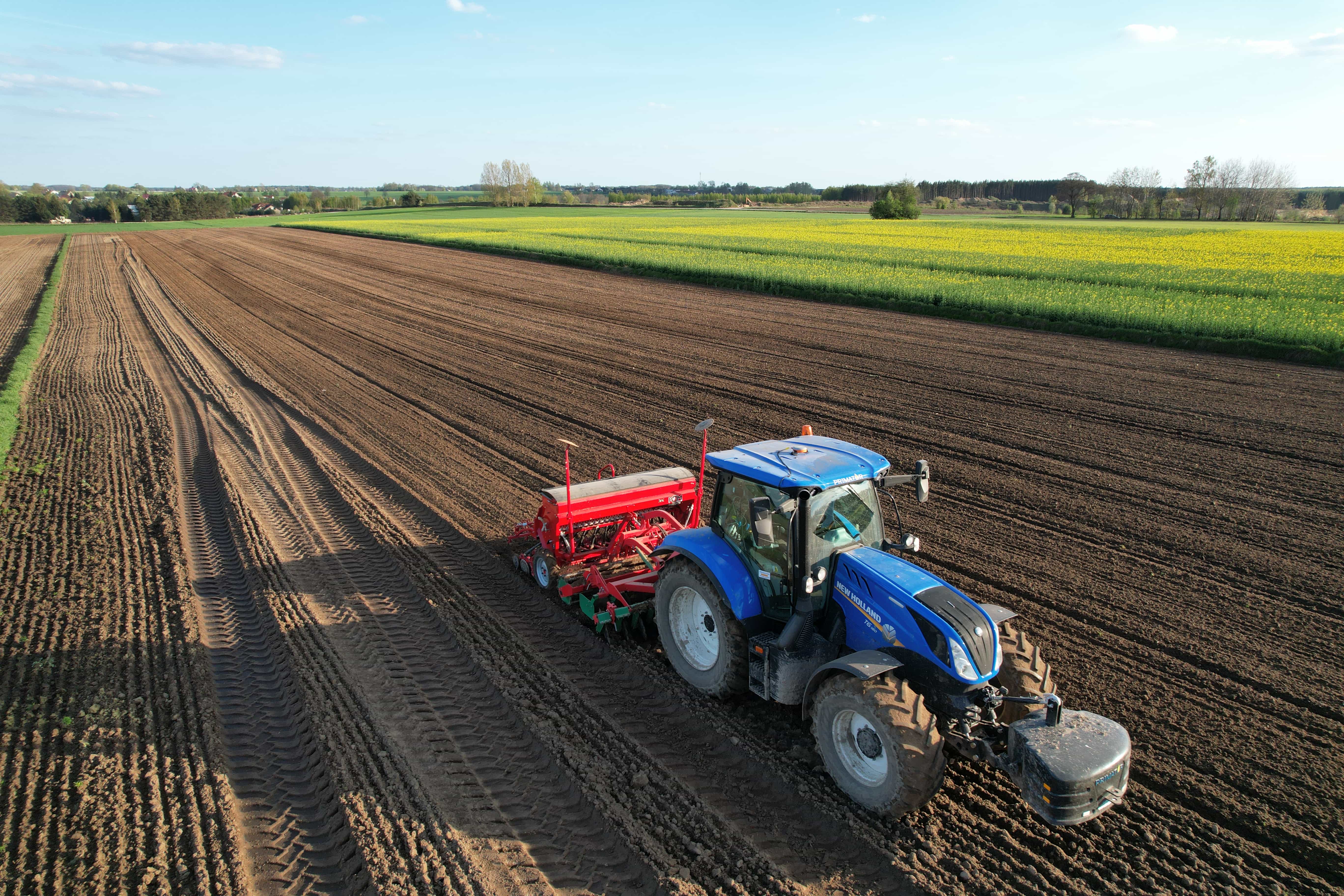
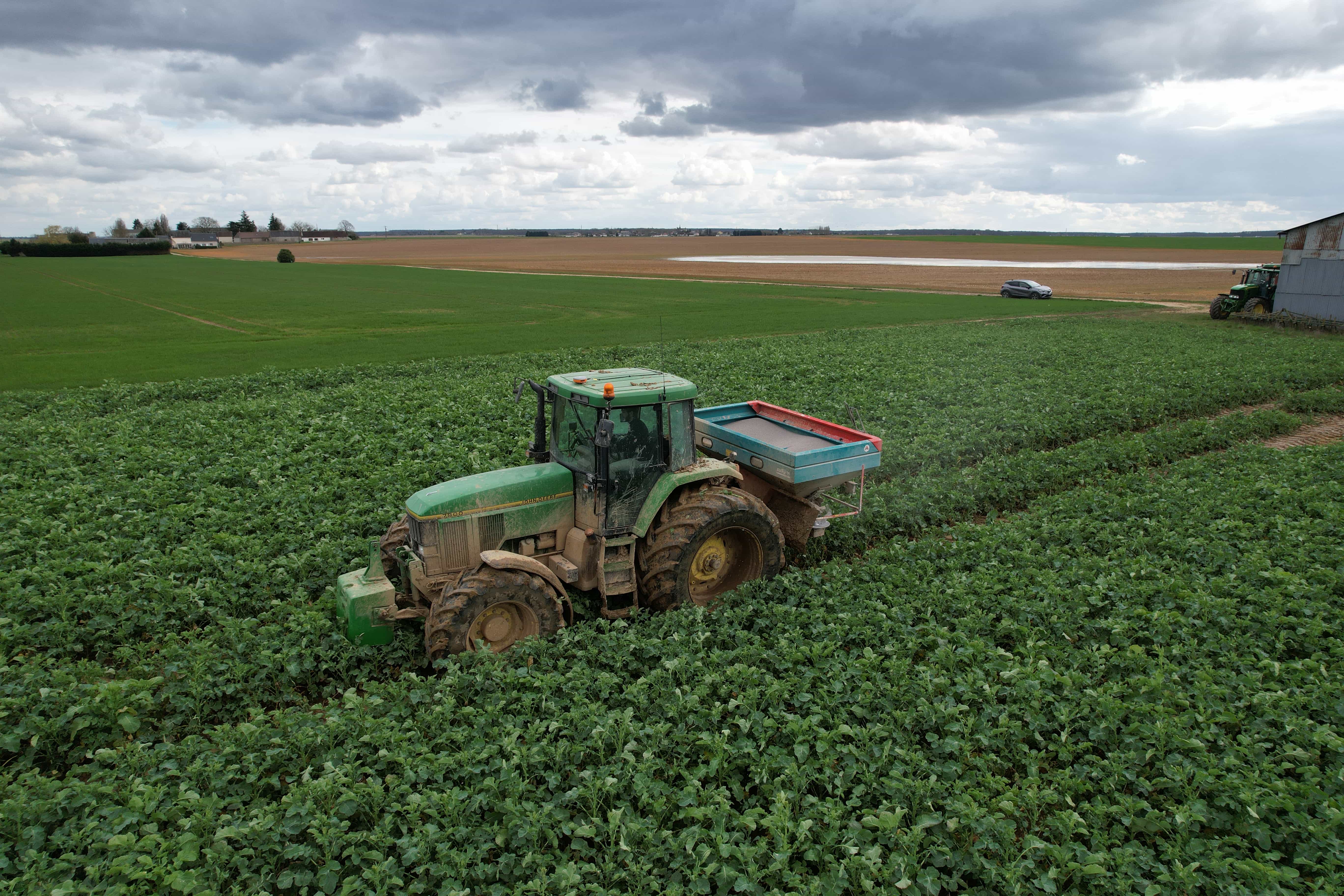
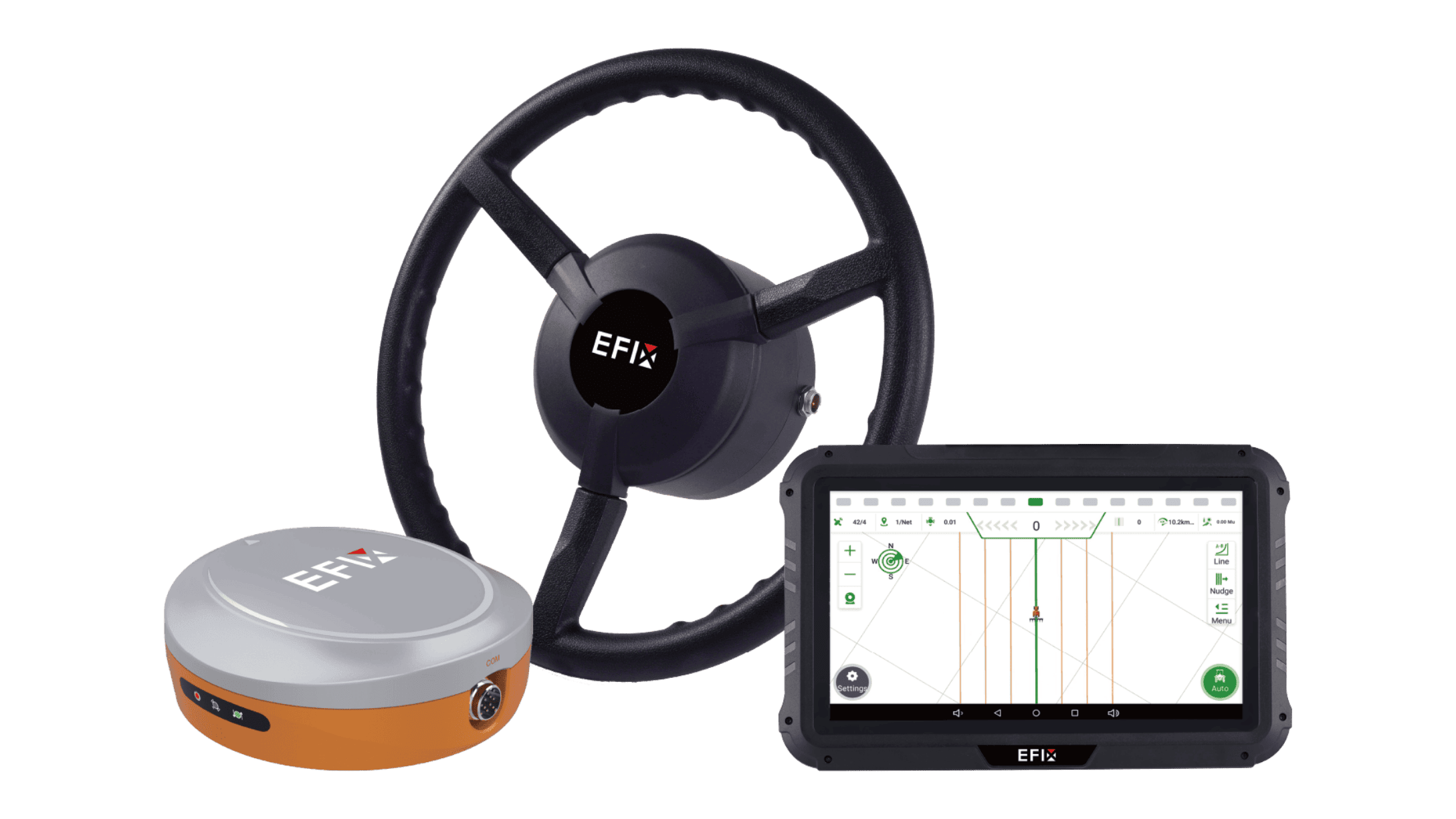
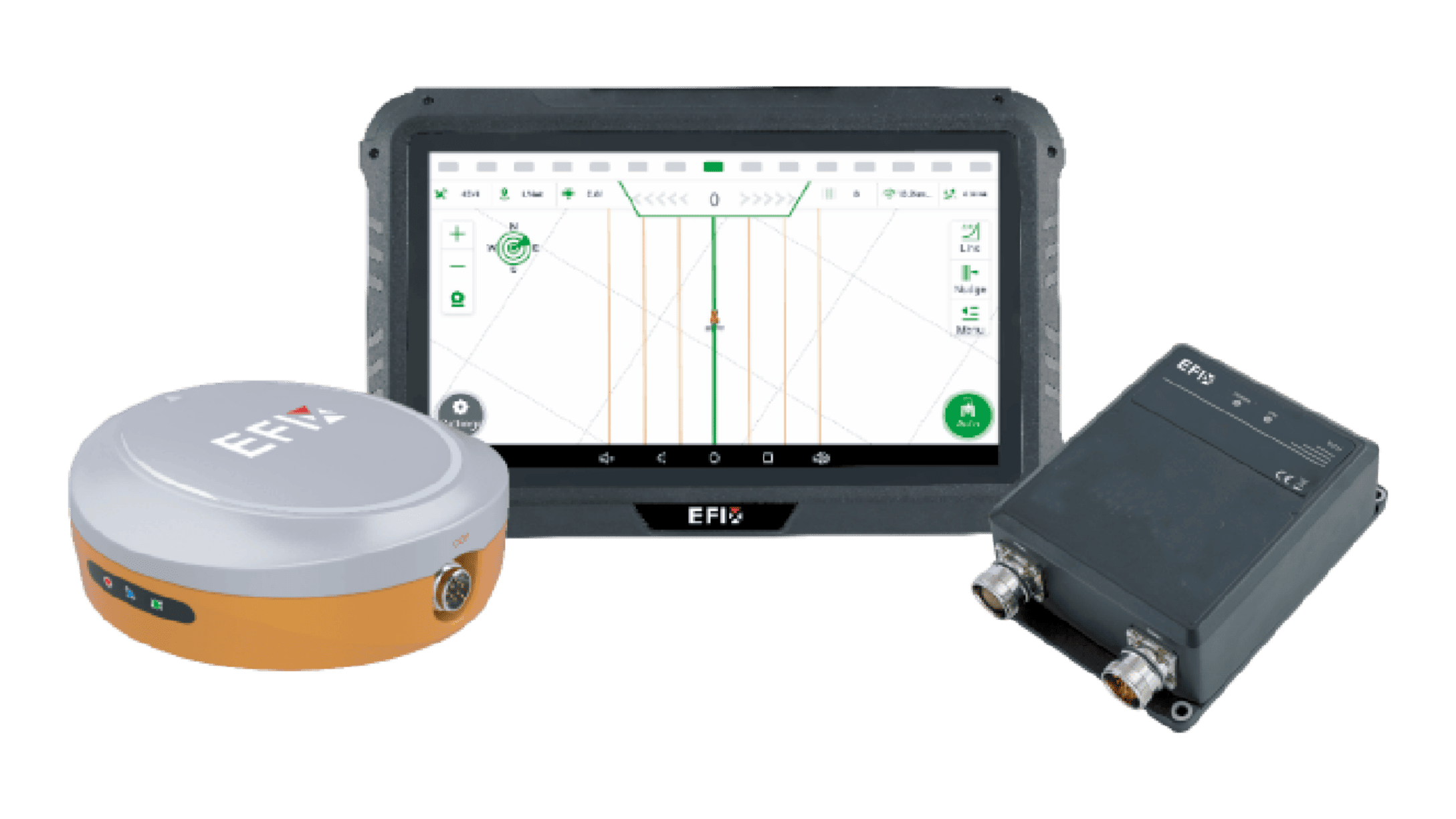
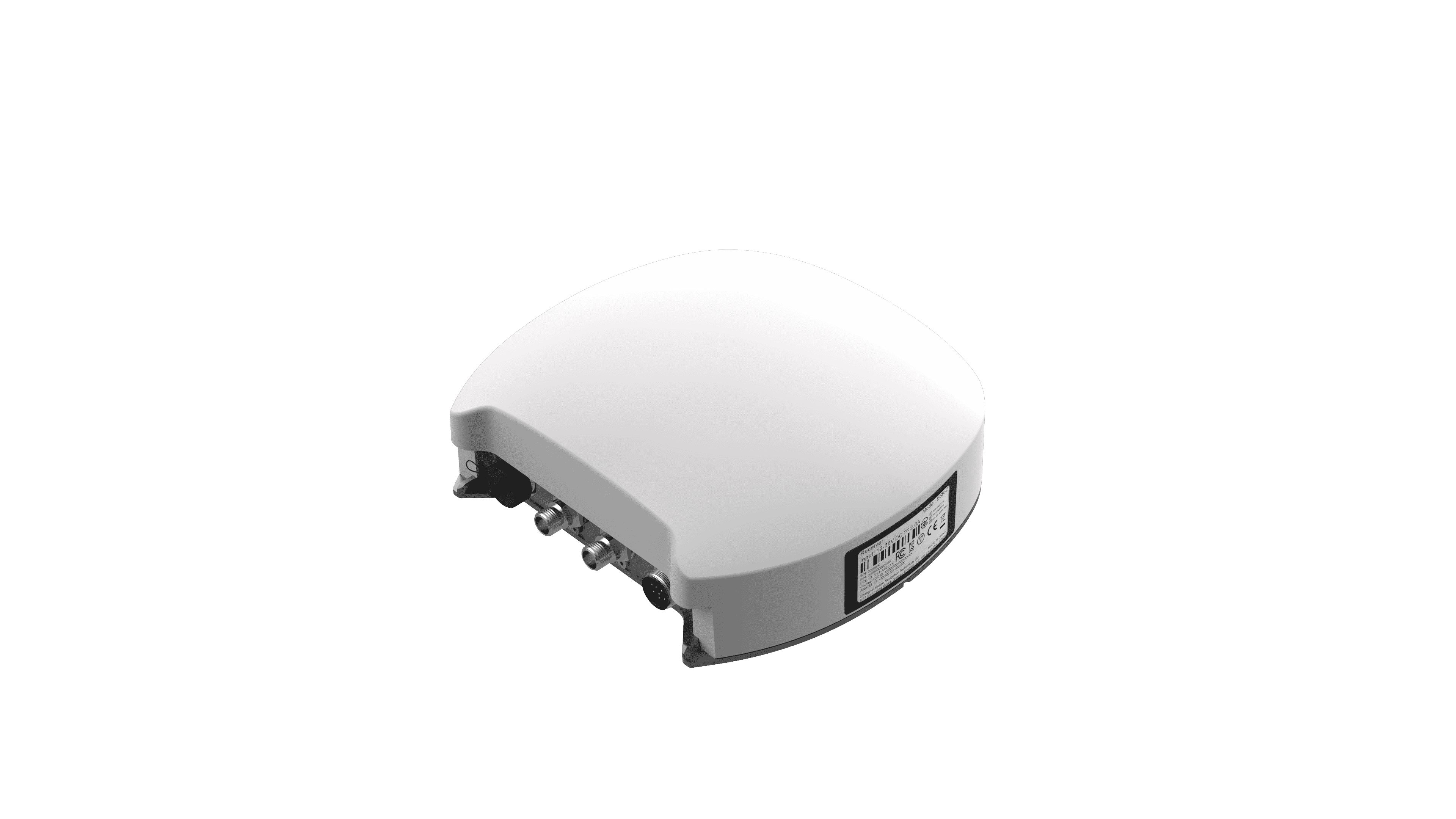
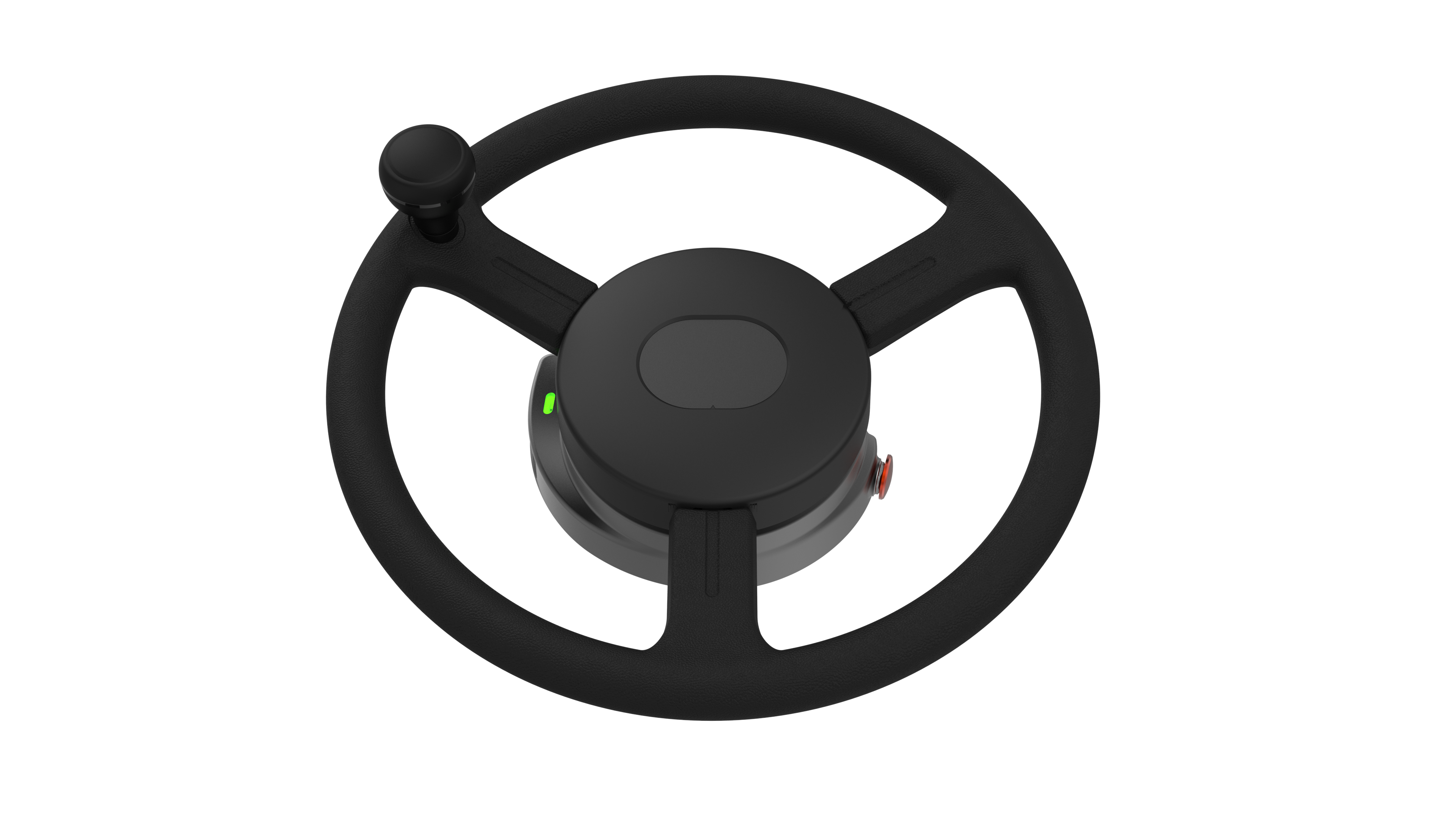
Precision farming depends on accurate and consistent field operations. Tractors often need to follow repeated paths during planting, spraying, cultivation, and other tasks. Small deviations can create overlap or missed areas, especially across large fields. For this reason, tractor autosteer systems have become a useful option for farmers who want to reduce manual steering work and improve path consistency. The right solution depends on field size, equipment, accuracy needs, and working conditions. At EFIX, we believe farmers should choose technology based on practical requirements rather than simply selecting the system with the most features.

Why Autosteer Matters in Precision Farming
Automated steering can help tractors maintain a planned route with less continuous manual correction. This can reduce operator fatigue during long working hours and support more consistent passes across the field. It may also help reduce unnecessary overlap during repetitive operations. However, the benefits depend on how the system is used. Farmers should consider the type of crops, field layout, required accuracy, and GNSS correction options before making a decision. A system that works well for straight-line planting may not offer the same value for irregular fields or tasks that require frequent turns.
Key Features to Compare Before Buying
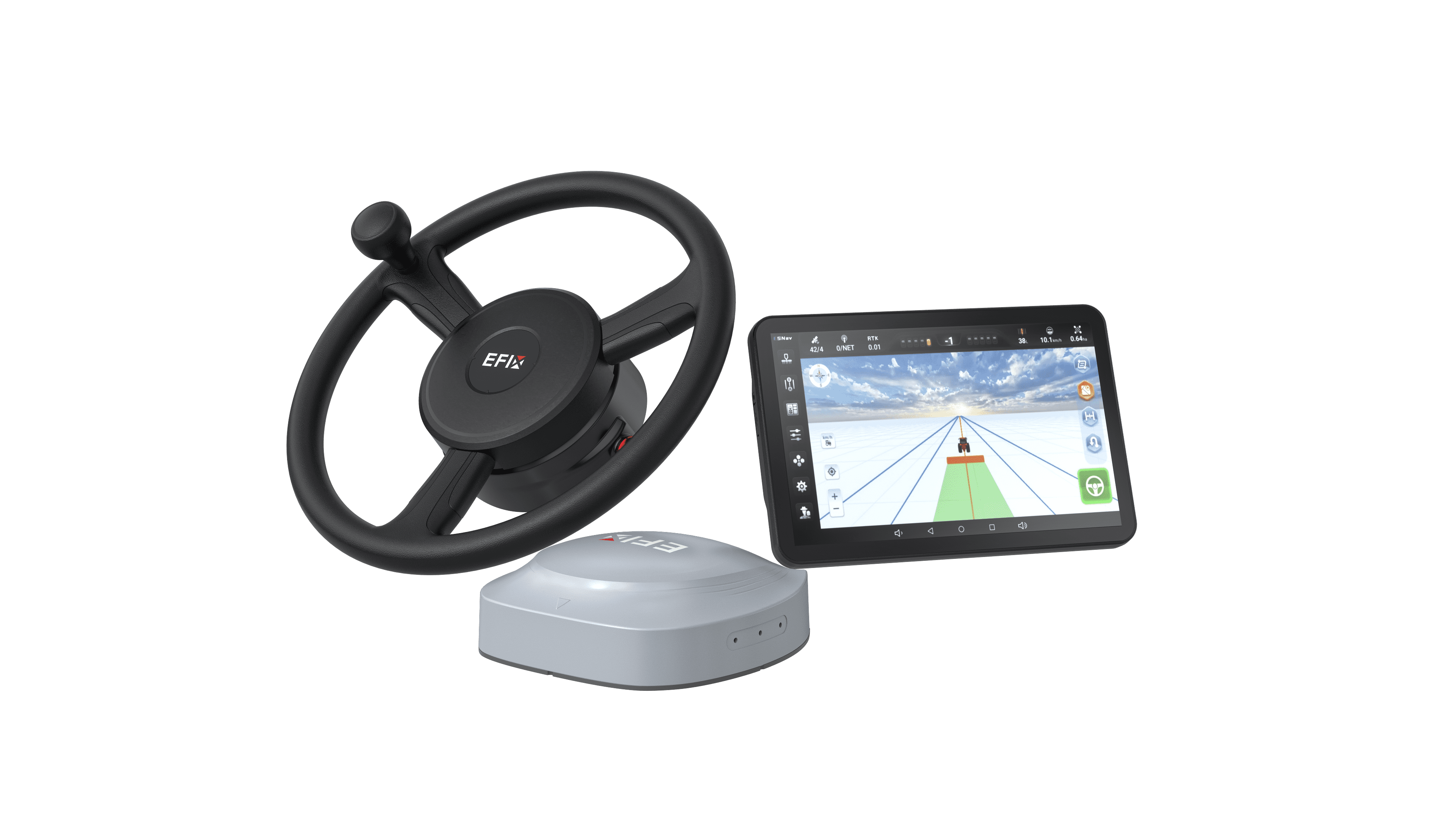
When comparing tractor autosteer systems, farmers should look at positioning accuracy, GNSS compatibility, ease of operation, equipment integration, and available guidance modes. It is also useful to consider how the system handles different field layouts. Flexible turning functions can make a difference in daily operations. For example, the eSteer 10 supports several U-turn modes, including skipping U-turn, curve U-turn, boundary U-turn, and headland U-turn. These options allow operators to select a suitable turning method based on the field and task instead of using one fixed approach.
How Flexible Turning Supports Field Operations
Turning is an important part of tractor movement, especially when working around headlands or irregular field boundaries. A suitable turning mode can help the machine transition between working passes more smoothly. Farmers should consider whether the system can adapt to different field shapes and operating conditions. It is also important to check whether operators can easily configure and switch between different modes. For farms with varied field layouts, flexible turning options may make tractor autosteer systems more practical for everyday use. The goal is not simply to automate steering but to support a smoother overall field workflow.
Conclusion
Choosing the right tractor autosteer systems requires more than comparing basic steering accuracy. Farmers should consider positioning performance, compatibility, guidance options, turning flexibility, and ease of use. The optimal choice is the one that fits the farm's actual operations and can support different field conditions. At EFIX, we focus on practical precision agriculture solutions that help farmers use technology in real working environments. By understanding specific field needs before buying, growers can make better decisions and select an autosteer solution that supports more consistent and efficient field operations.