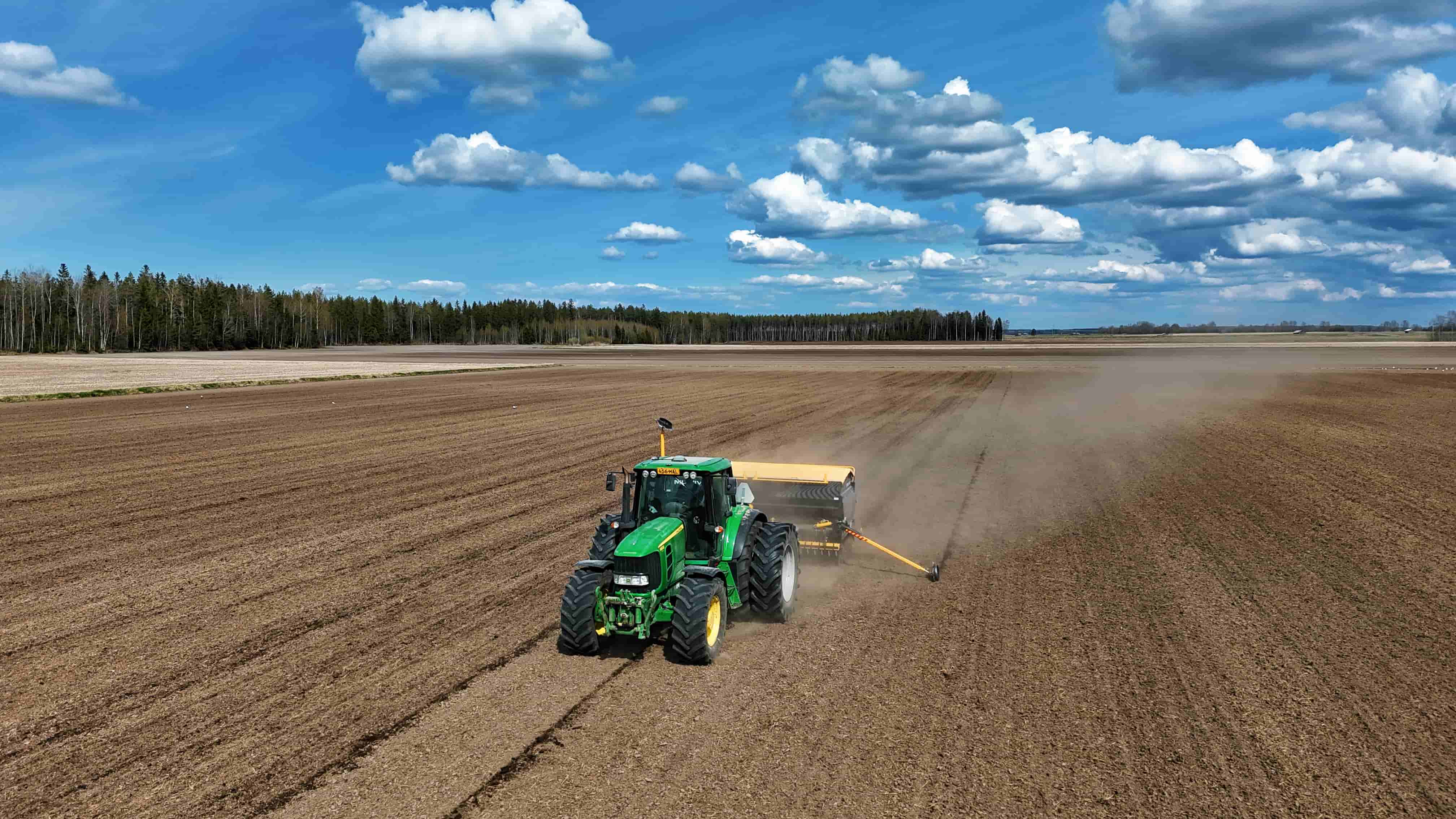
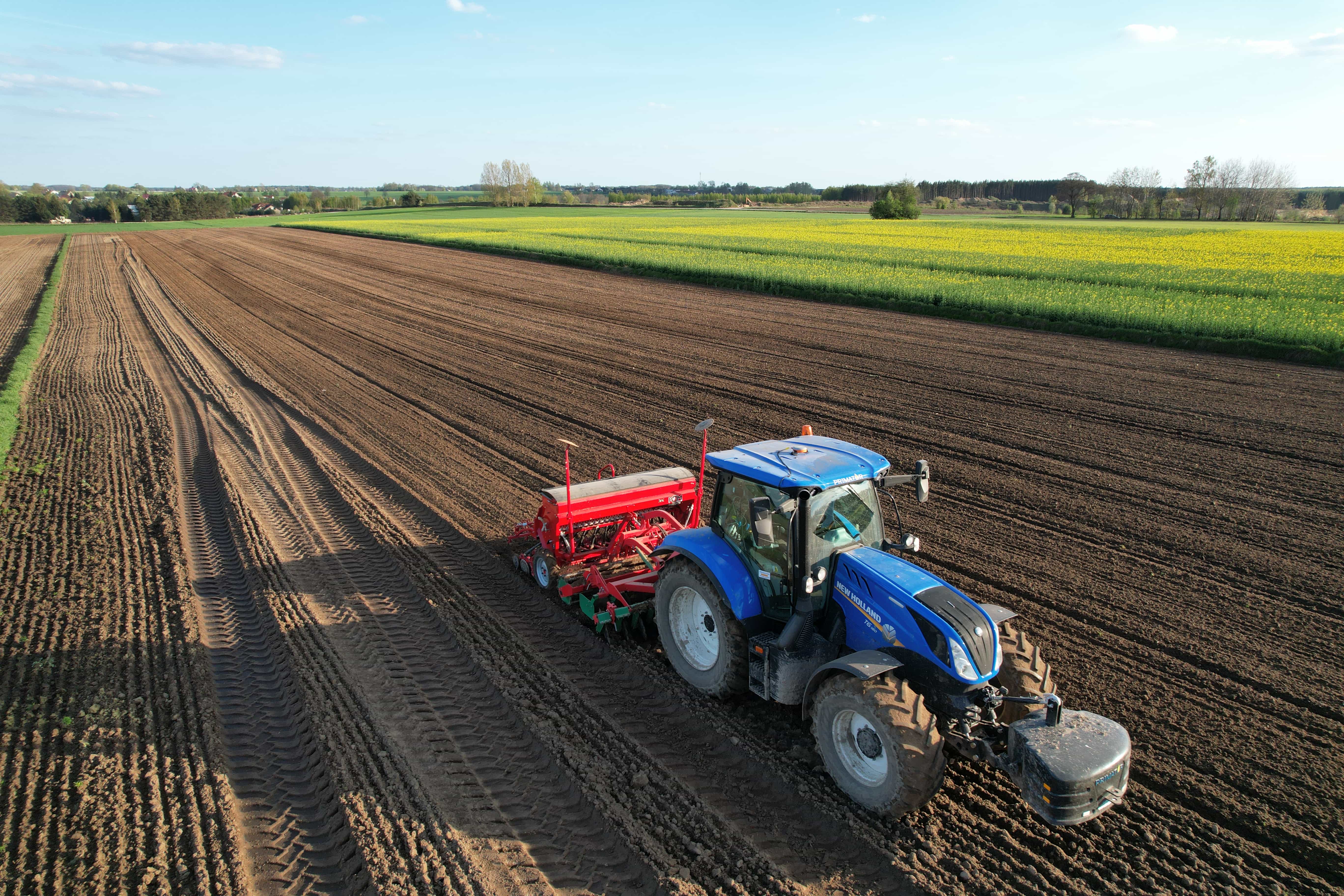
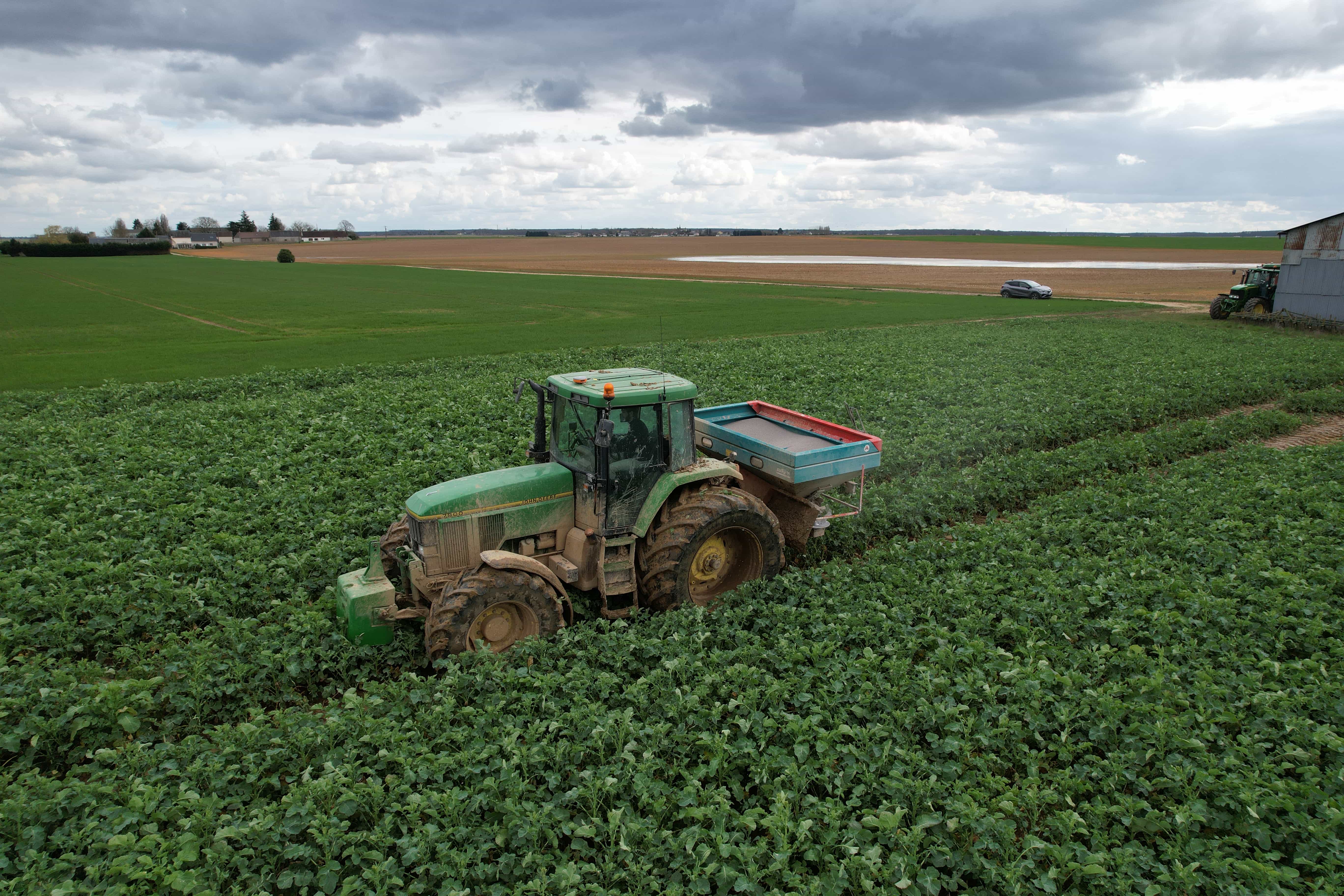
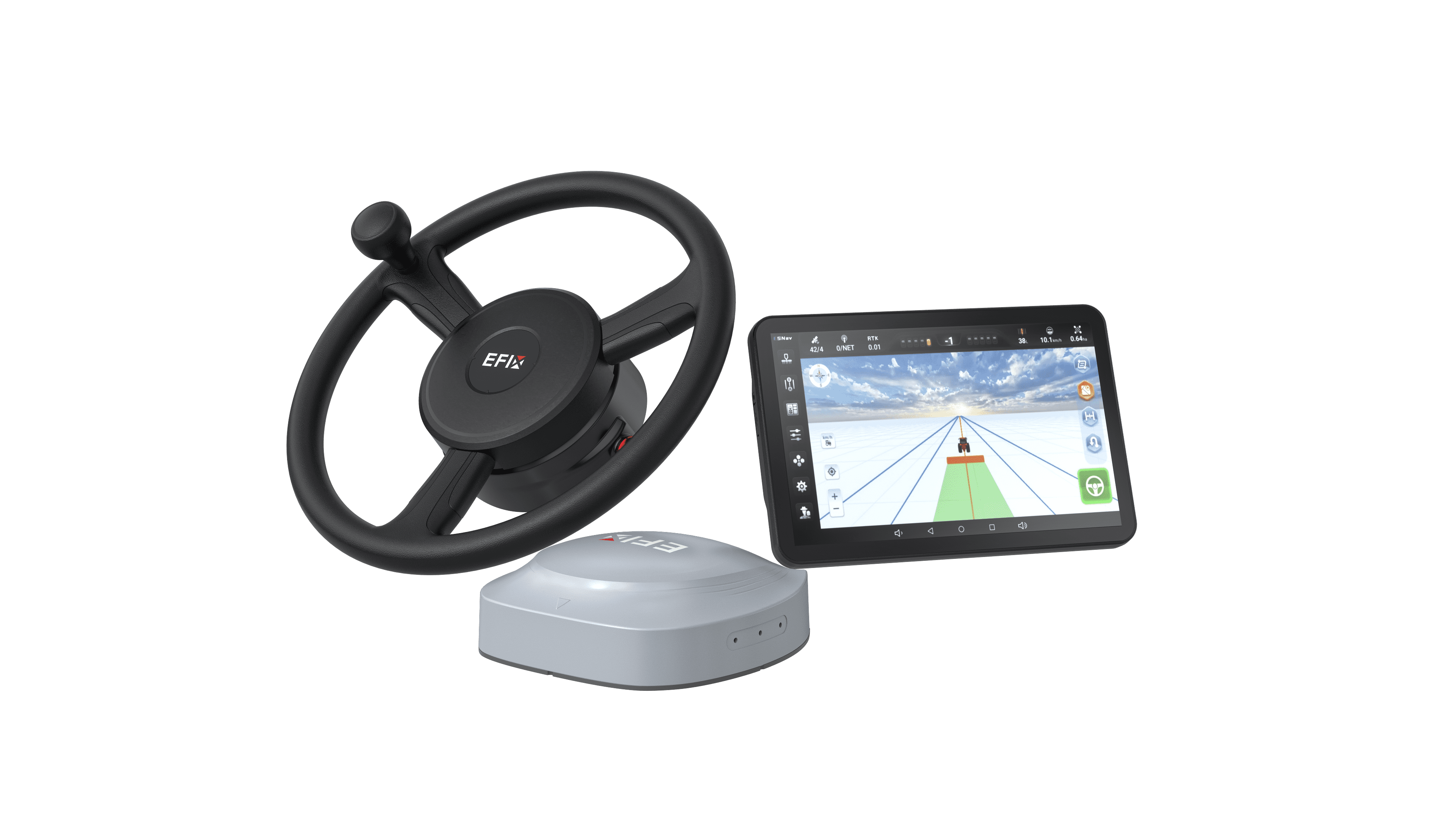
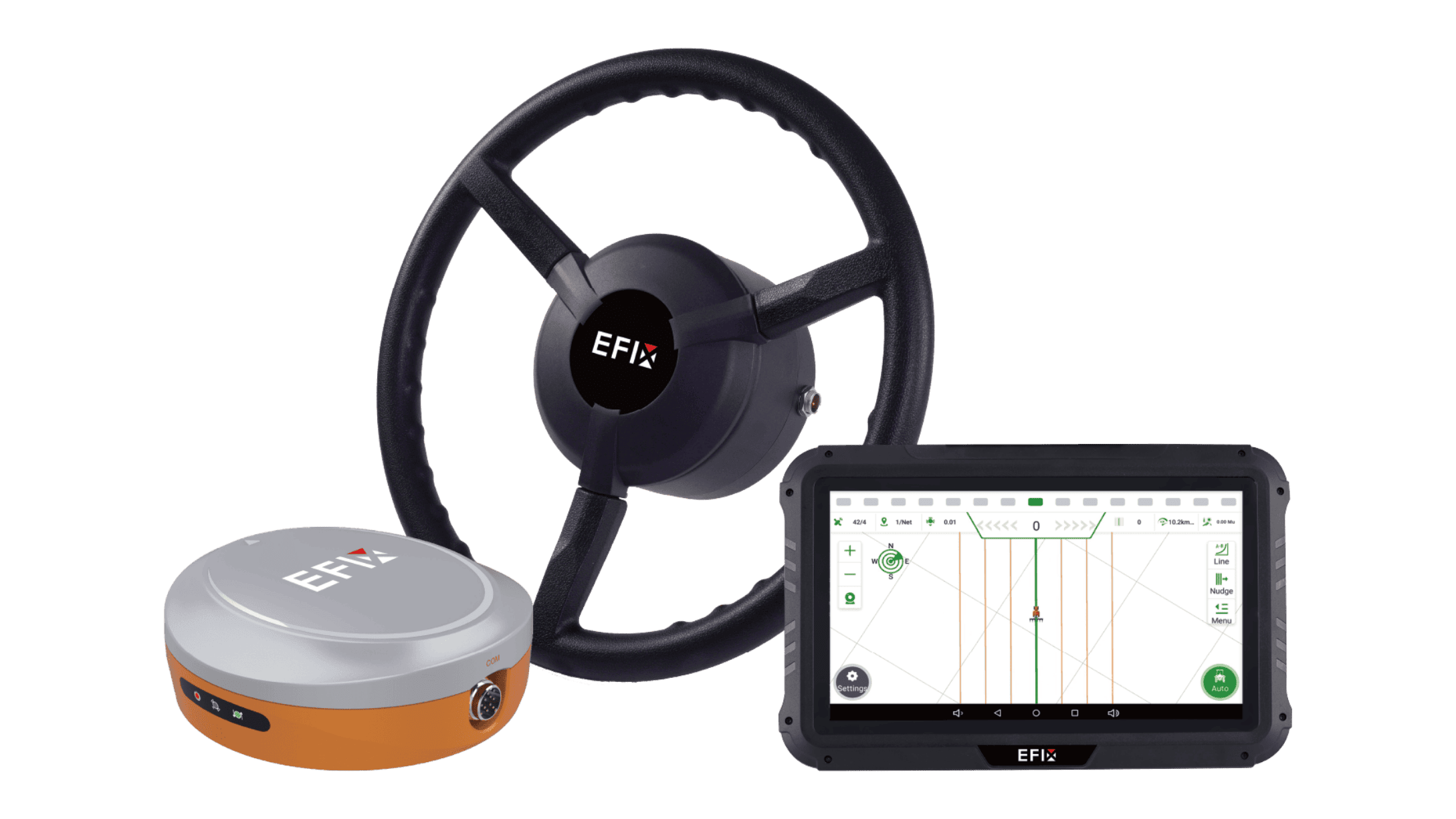
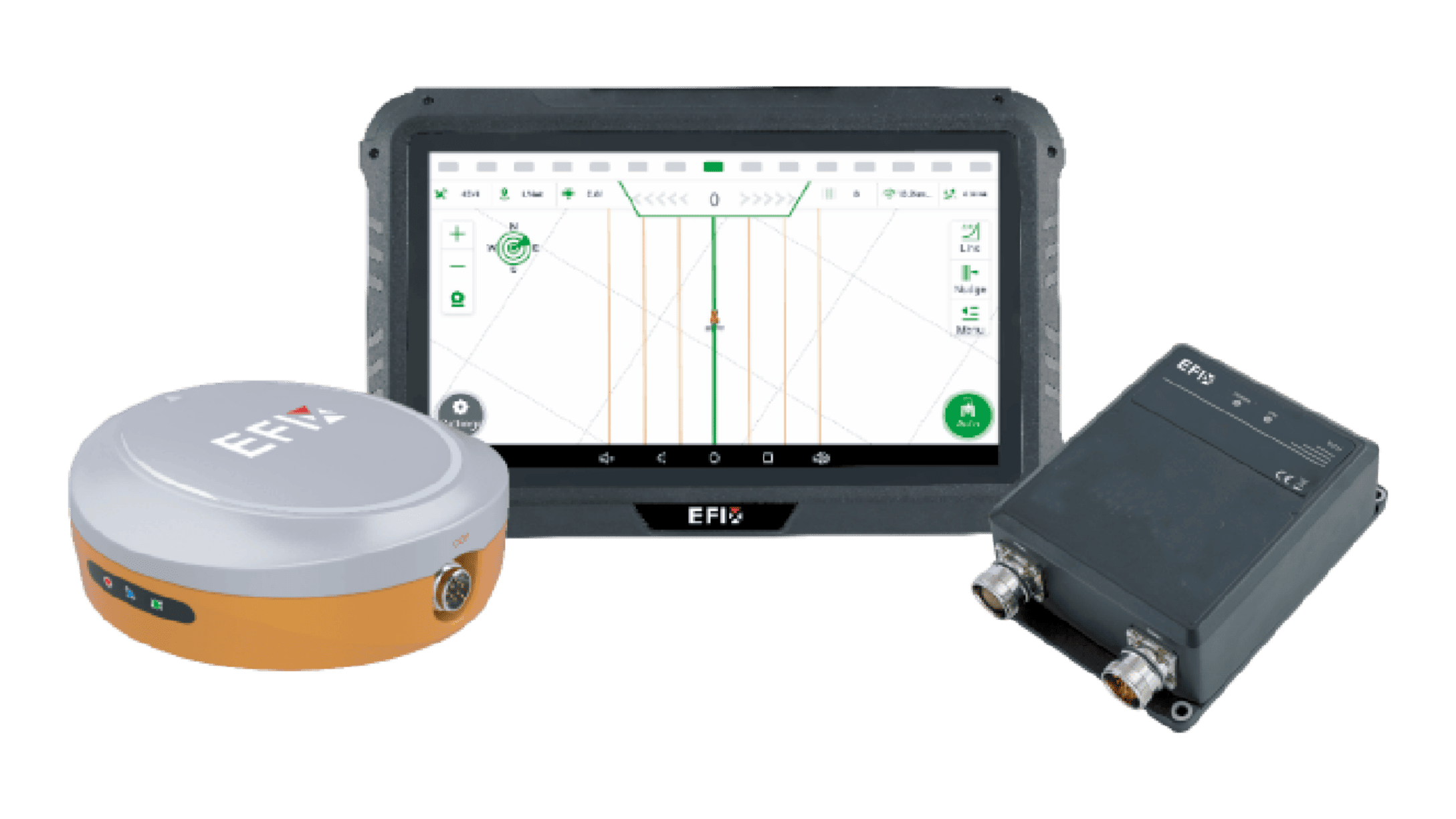
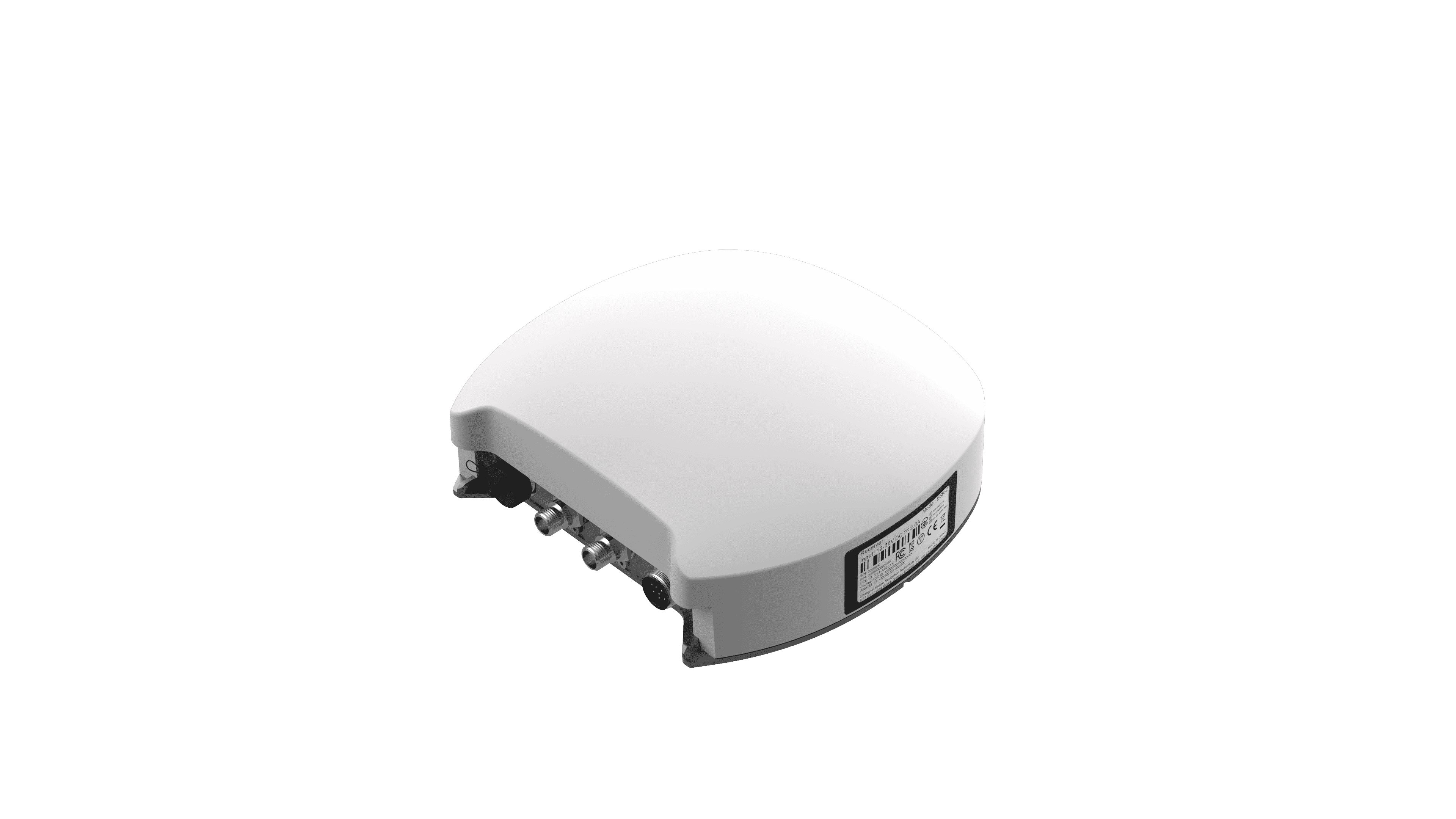
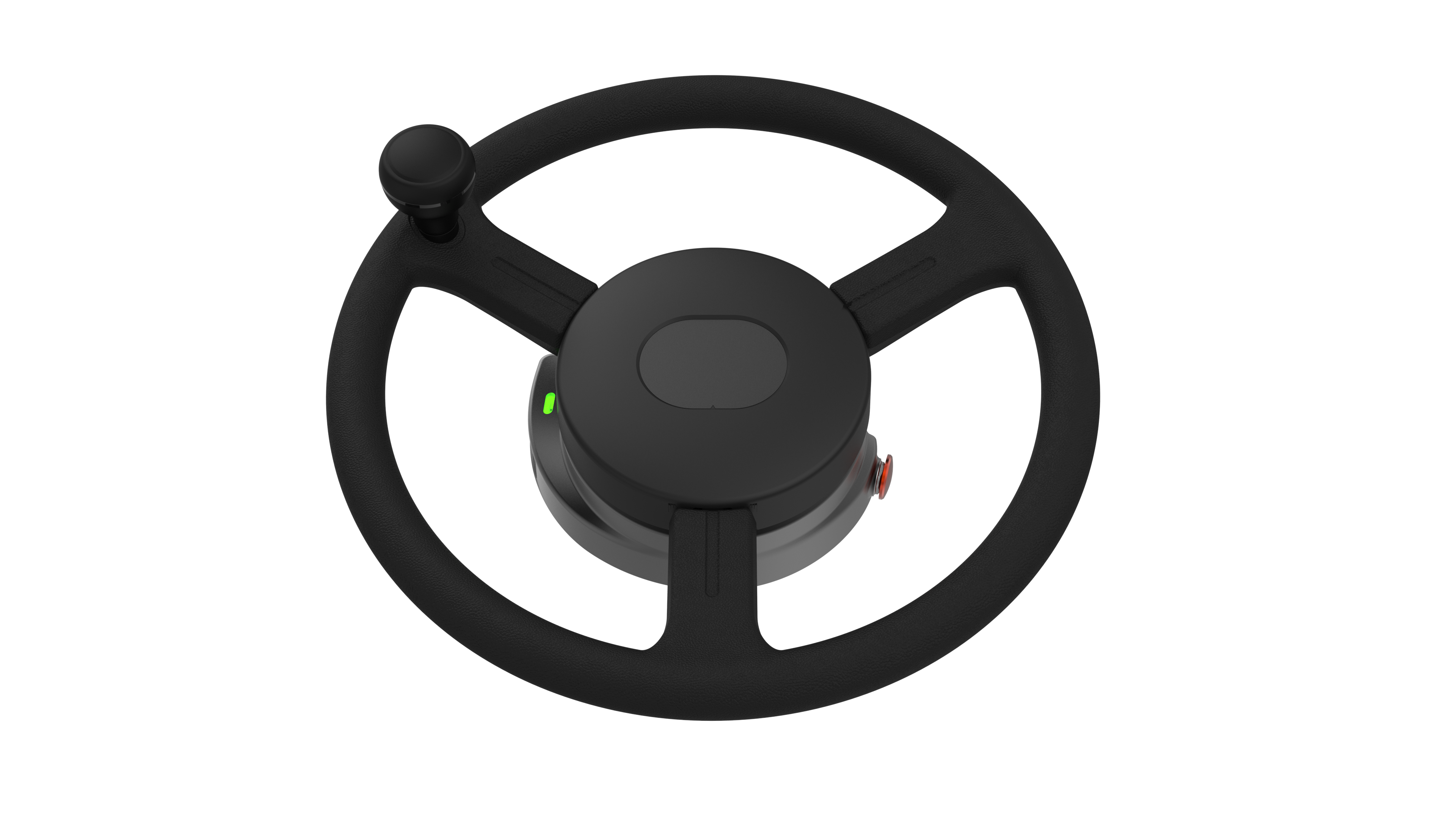
Precision farming depends on positioning data that remains stable across long working hours and changing field conditions. A reliable GPS base station can provide correction data that helps agricultural vehicles maintain more accurate positioning. Before choosing a system, we recommend looking beyond basic positioning accuracy. Signal quality, correction coverage, communication options, environmental protection, and equipment compatibility all affect how well a solution performs in daily field work. At EFIX, we focus on these practical factors because a positioning system needs to work as part of a complete agricultural operation.
Correction Accuracy and Signal Quality
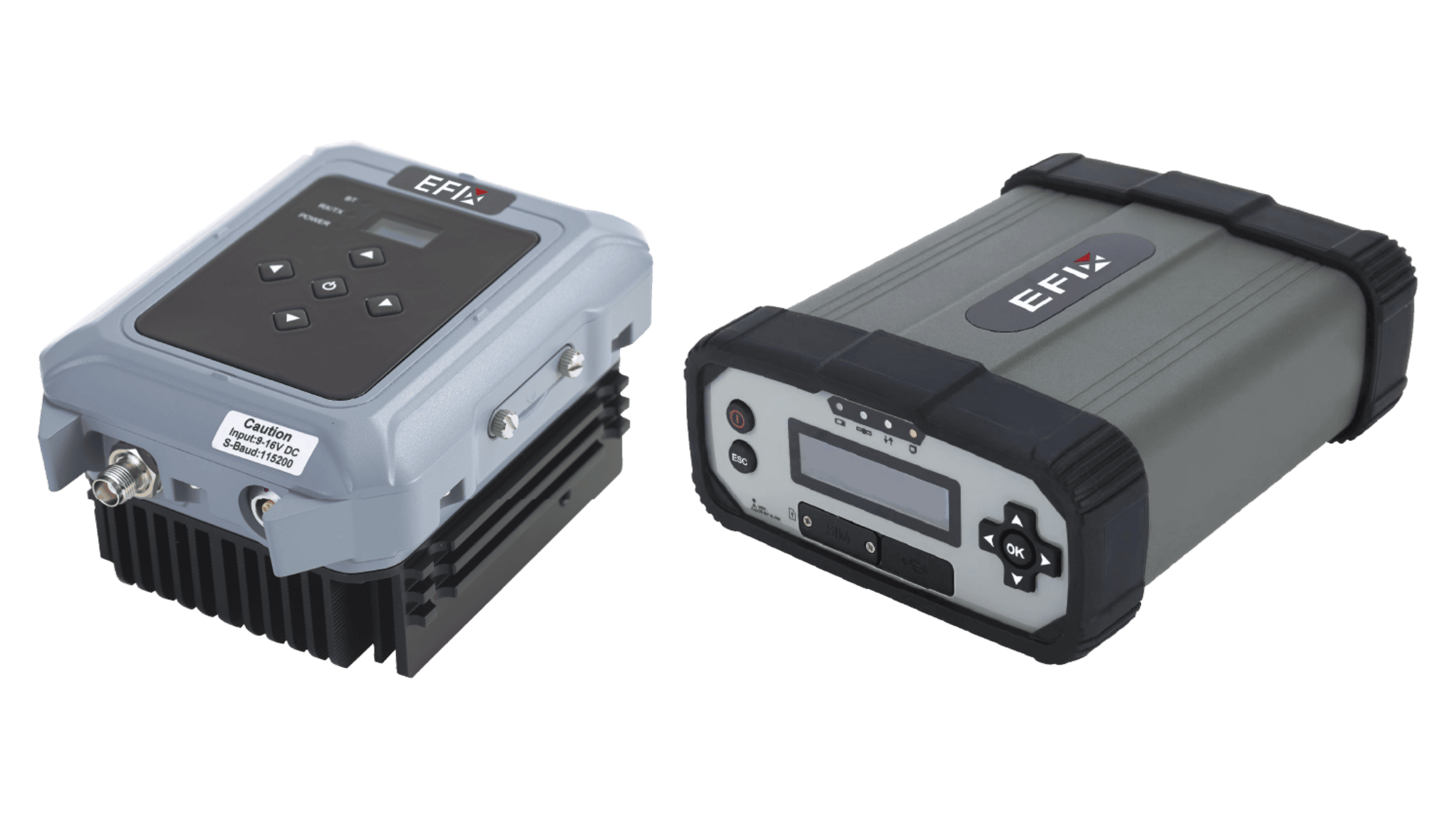
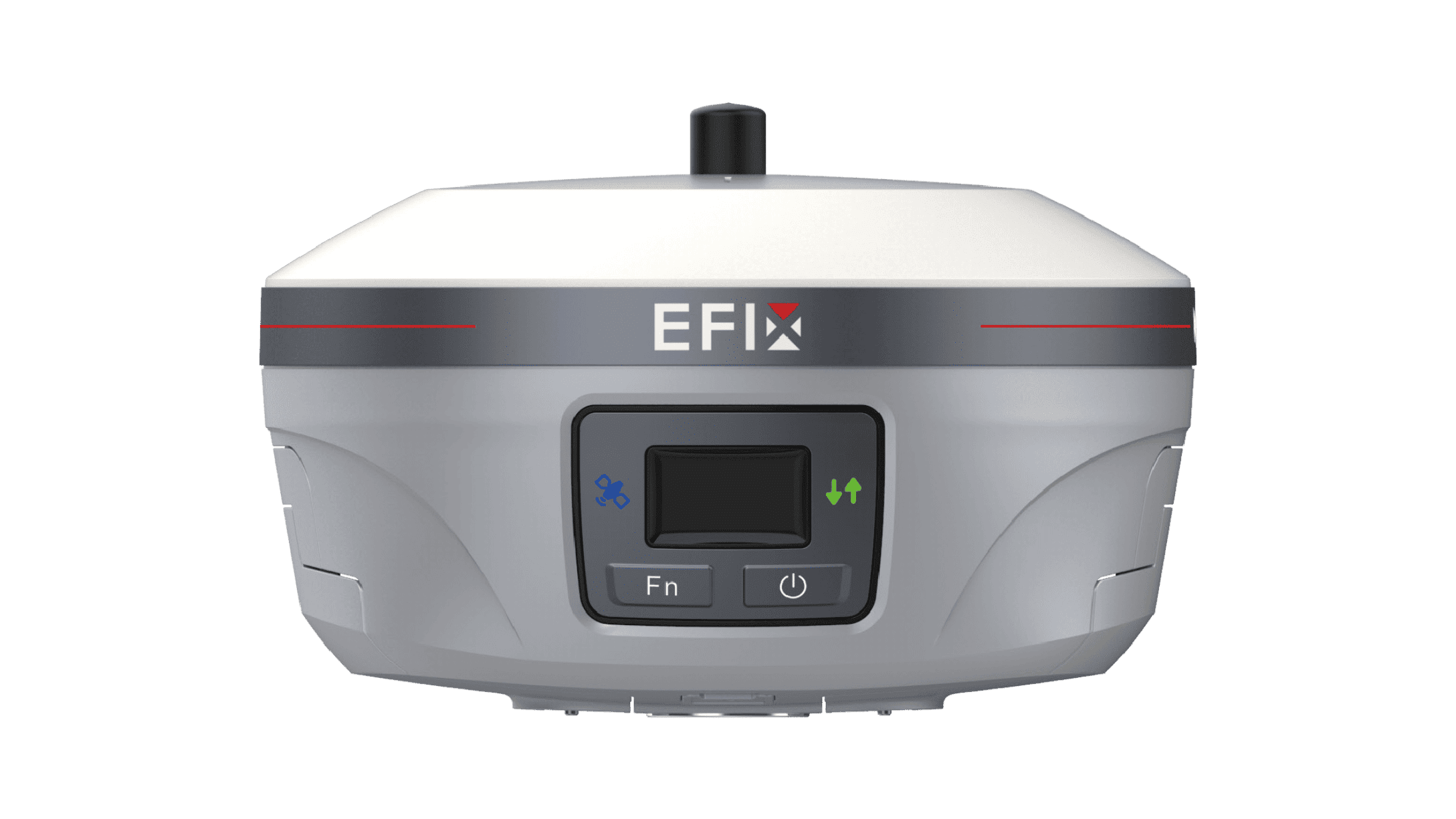
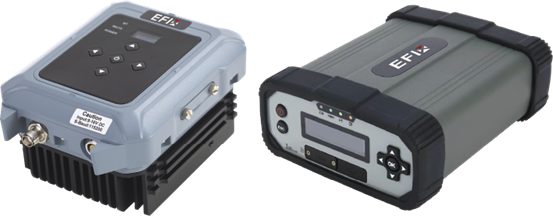
A suitable base station should track multiple satellite constellations and provide stable correction data. This helps reduce positioning errors and supports applications such as auto steering, planting, spraying, and land preparation. The F-NET Pro Fixed Base Station combines the F-NET Pro GNSS receiver with an FL3 external radio. The F-NET Pro GNSS tracks GPS, GLONASS, Galileo, and BeiDou signals, while also supporting SBAS corrections. It provides GNSS raw data for precision applications. A GPS base station should also be evaluated by its data integrity and correction performance rather than by accuracy claims alone.
Coverage, Connectivity, and Compatibility
Field size and equipment type can change the requirements for a correction system. A base station with suitable transmission power and flexible protocols can support a wider range of applications. The FL3 offers up to 28W transmission power and supports selectable 12.5 kHz or 25 kHz channel spacing. It also supports industry-standard UHF protocols, including CHC, Transparent, and TT450S, as well as CMR, RTCM2.X, and RTCM3.X data formats. These options can make integration easier across different positioning and agricultural systems.
Durability and Long-Term Operation
Agricultural equipment often works in environments exposed to dust, moisture, vibration, and temperature changes. For this reason, physical protection is an important part of system selection. The F-NET Pro GNSS features an IP67-rated design for resistance to water and dust, while the FL3 also uses an IP67-rated rugged structure for outdoor operation. A GPS base station with suitable environmental protection can reduce interruptions caused by harsh installation conditions and support more consistent daily operations.
Conclusion
Choosing a positioning solution requires a balance between accuracy, signal coverage, communication compatibility, and durability. We recommend assessing the entire correction workflow instead of focusing on a single specification. At EFIX, we combine GNSS positioning technologies with practical field requirements to support precision agriculture applications. The F-NET Pro Fixed Base Station is one example of how a GNSS receiver and external radio can work together to provide a flexible correction solution for modern farming operations.