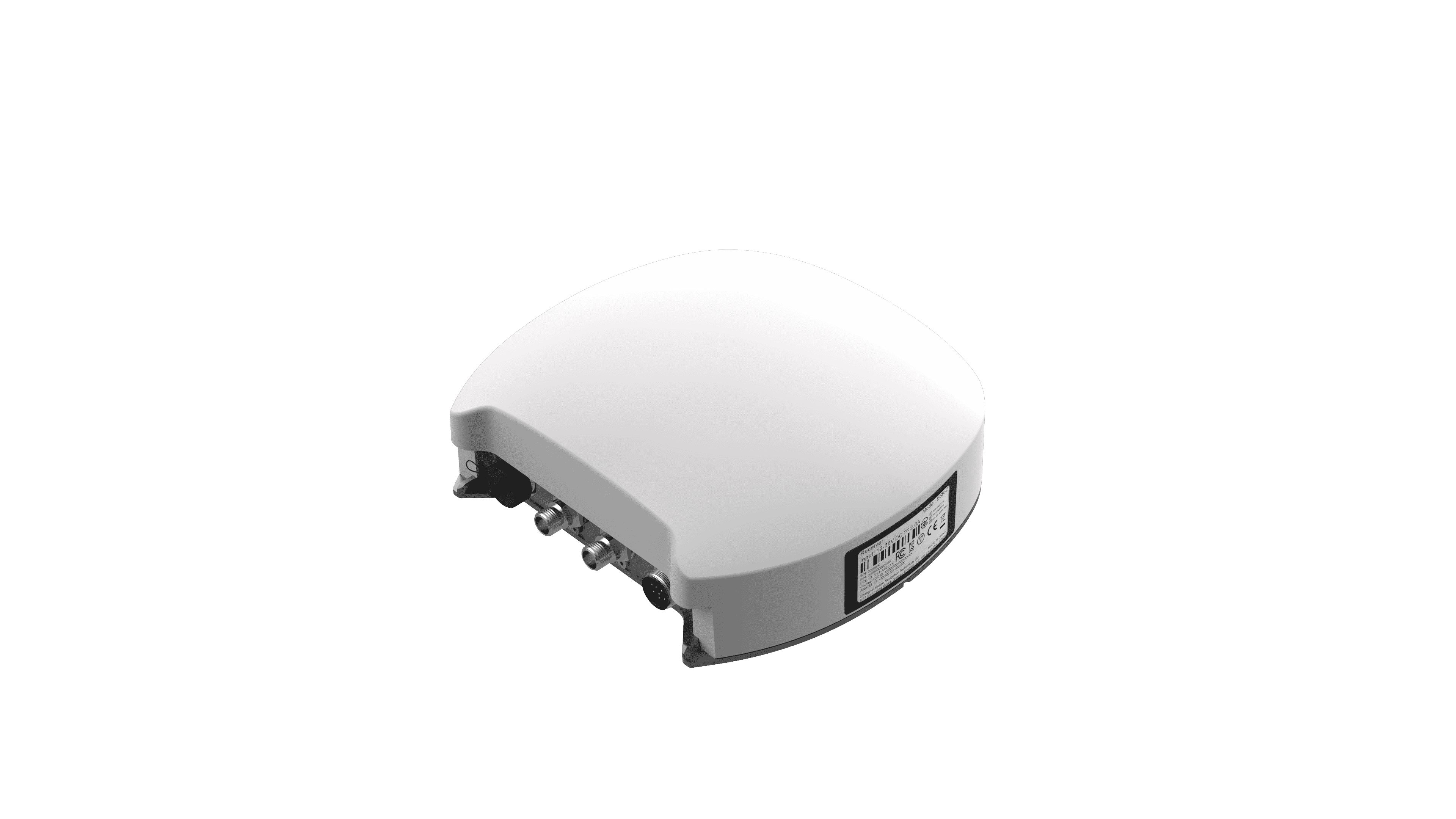
Accurate positioning is now part of many modern applications, from precision agriculture and surveying to construction and machine control. However, satellite positioning alone may not provide the level of accuracy required for professional work. This is where a GNSS base station becomes important. By operating from a known reference position, it can observe satellite signals and provide correction data for compatible positioning equipment. Understanding this basic principle helps us see why reference stations remain an important part of high-accuracy GNSS systems. At EFIX, we focus on how reliable positioning infrastructure can support practical applications that depend on precise location data.

What a GNSS Base Station Does
A reference station is installed at a fixed and accurately surveyed location. It continuously receives signals from available GNSS satellites and compares the calculated position with its known coordinates. The difference between these values can be used to generate correction information. This data is then delivered to a rover receiver through a suitable communication link or correction service. The rover can use the information to improve its positioning accuracy. In simple terms, the base provides a stable reference while the rover uses that reference to calculate a more precise position.
Why Multi-Constellation Tracking Matters
The number and quality of available satellite signals can affect positioning performance. A receiver that tracks several constellations has access to a broader range of satellite observations. The 624-channel F-NET Pro GNSS simultaneously tracks GPS, GLONASS, Galileo, and BeiDou signals, while also supporting SBAS corrections. This multi-constellation capability provides a large volume of GNSS raw data for positioning applications. It can also be useful in environments where satellite visibility changes due to terrain, buildings, or other obstructions.
How Base Stations Support RTK Networks
RTK positioning depends on accurate correction data and a reliable connection between the reference station and rover. A base station provides reference observations or correction data, while the rover receives and applies the corrections to improve its positioning solution. In an RTK network, multiple F-NET Pro GNSS reference stations can form the foundation for correction services. This infrastructure supports high-quality RTK corrections and helps compatible rovers achieve precise positioning. For this reason, the performance of a GNSS base station can have a direct impact on the quality of the overall positioning workflow.
Conclusion
The core concept behind a reference station is straightforward: a fixed receiver observes GNSS signals from a known location and provides correction information to improve rover positioning. Multi-constellation tracking, high-quality raw data, and reliable correction services all contribute to the performance of an RTK system. At EFIX, we work with GNSS technologies such as the F-NET Pro to support positioning infrastructure for demanding applications. Understanding how these components work together makes it easier to evaluate GNSS solutions based on actual operational needs rather than specifications alone.