A reliable positioning workflow starts with a well-planned base station setup. For field surveying, construction, agriculture, and other mobile applications, the reference station needs to collect high-quality satellite observations and provide correction data to rover equipment. Setting up a portable GNSS base station usually involves several key steps, including selecting a suitable location, installing the antenna, configuring coordinates, and checking communication links. At EFIX, we recommend treating setup as part of the overall positioning workflow rather than simply powering on a receiver.

Choose the Right Setup Location
Location selection is one of the first factors to consider. The antenna should have a clear view of the sky with as few obstructions as possible. Buildings, trees, metal structures, and other objects may affect satellite visibility or create signal reflections. The ground or mounting structure should also remain stable during operation. For applications using RTK corrections, the distance between the reference station and rover should also be considered. A suitable location can help the system collect higher-quality satellite observations and provide more consistent correction data.
Install and Configure the Equipment
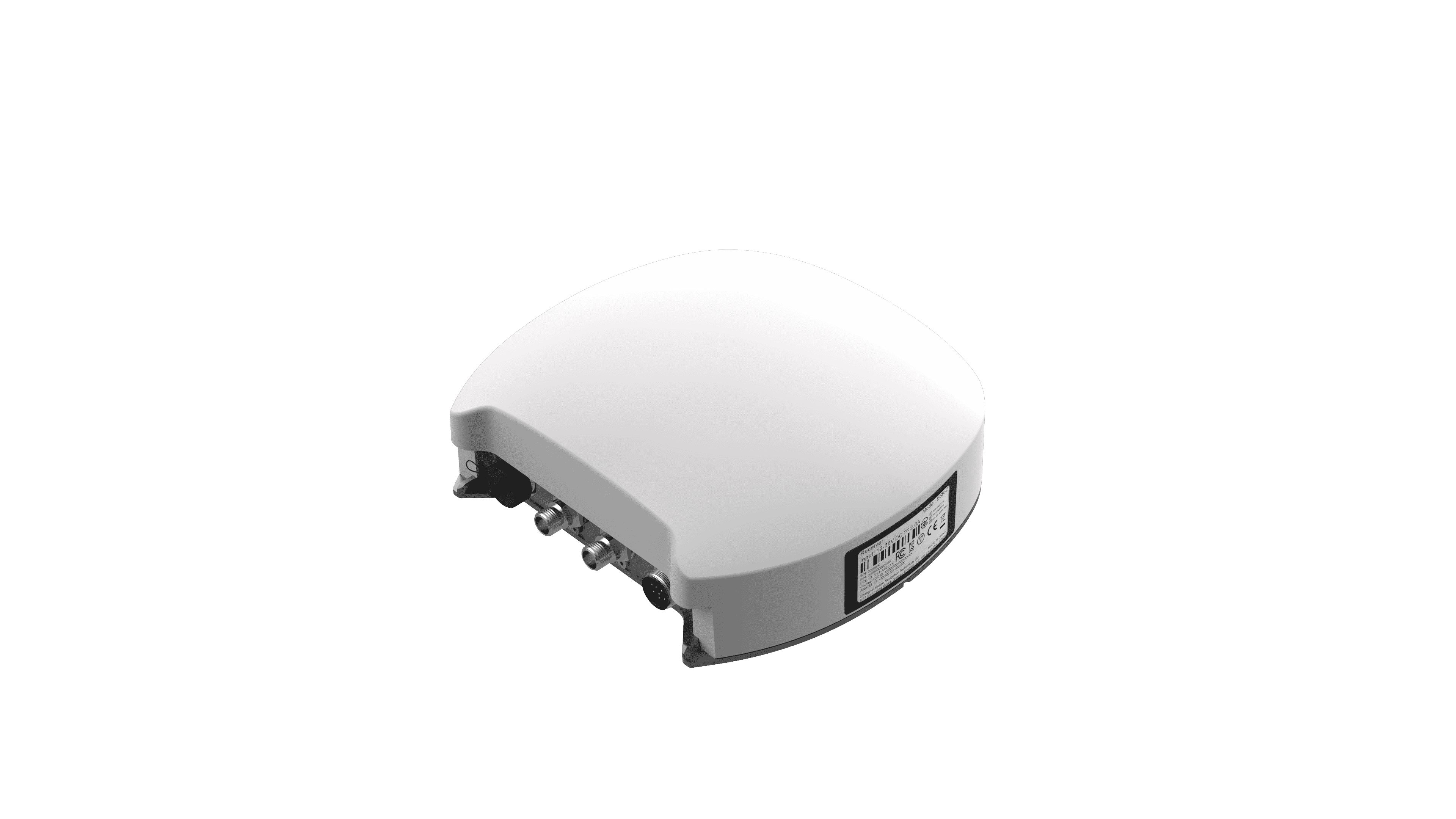
After choosing the location, the antenna and receiver can be installed securely. The antenna should be mounted firmly and positioned as level as possible. The receiver then needs to be connected to an appropriate power source and communication method. Coordinate configuration is another important step. Depending on the application, users may enter known coordinates or determine the station position through an appropriate survey process. The eBase is designed as a rugged integrated GNSS base station and uses 1608-channel GNSS technology with multi-constellation algorithms. It can track GPS, GLONASS, Galileo, BeiDou, and QZSS signals, giving operators access to multiple satellite constellations during setup and operation.
Check Signals and Start Corrections
Before beginning field work, we recommend checking the number of tracked satellites, signal quality, station coordinates, and correction data output. Communication between the base and rover should also be tested to confirm that correction information is being received correctly. A portable GNSS base station should be monitored after initial setup, especially if it is being used in a changing field environment. The eBase's multi-constellation tracking can support positioning workflows in demanding conditions, but correct installation and configuration remain essential for reliable results.
Conclusion
Setting up a reference station is a straightforward process, but each step affects the quality of the final positioning service. A clear sky view, stable installation, correct coordinates, reliable communication, and proper signal checks all deserve attention before field operations begin. At EFIX, we focus on combining practical field requirements with GNSS technology. The eBase provides an integrated option for users who need flexible positioning infrastructure across different working environments.