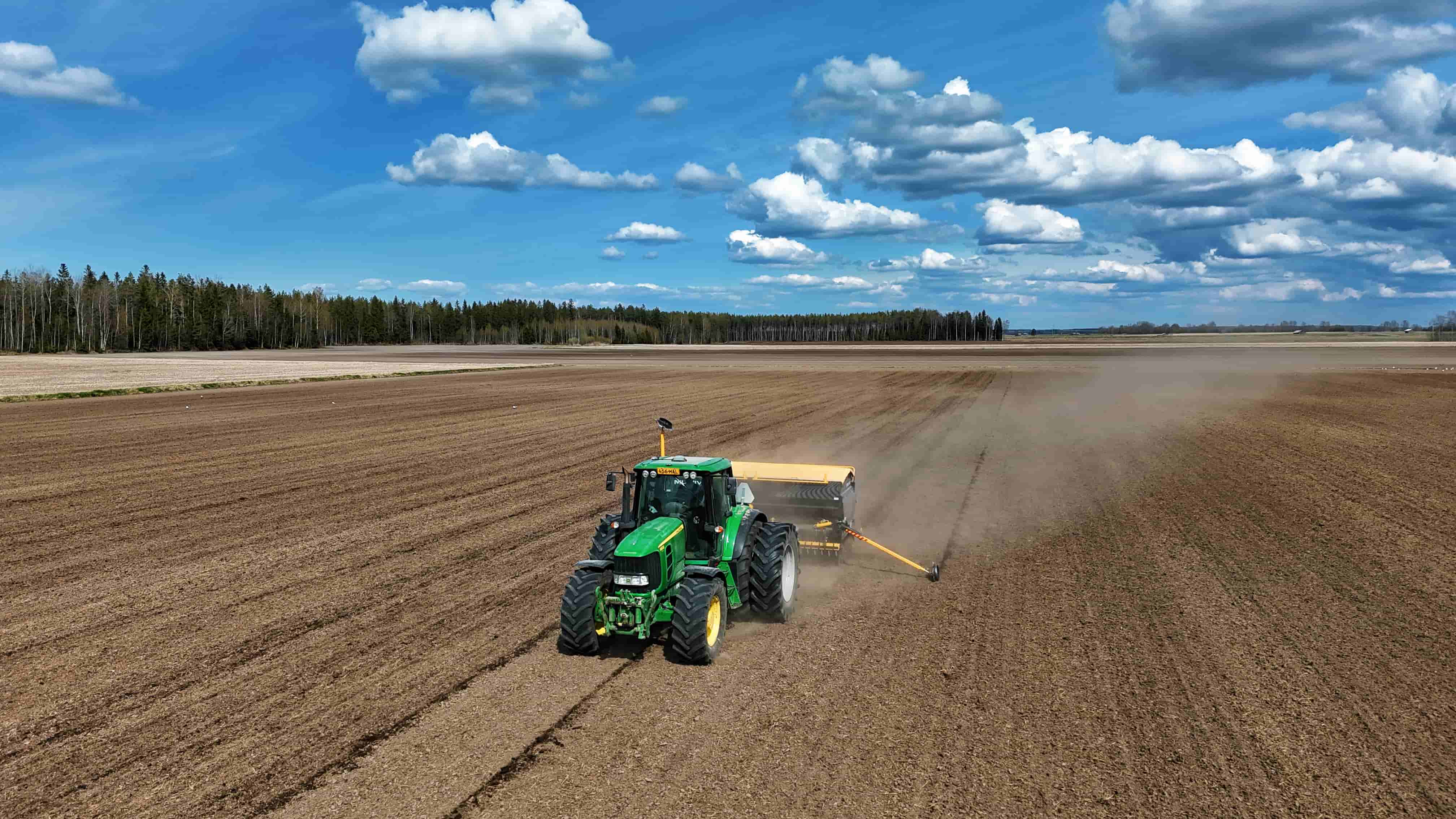
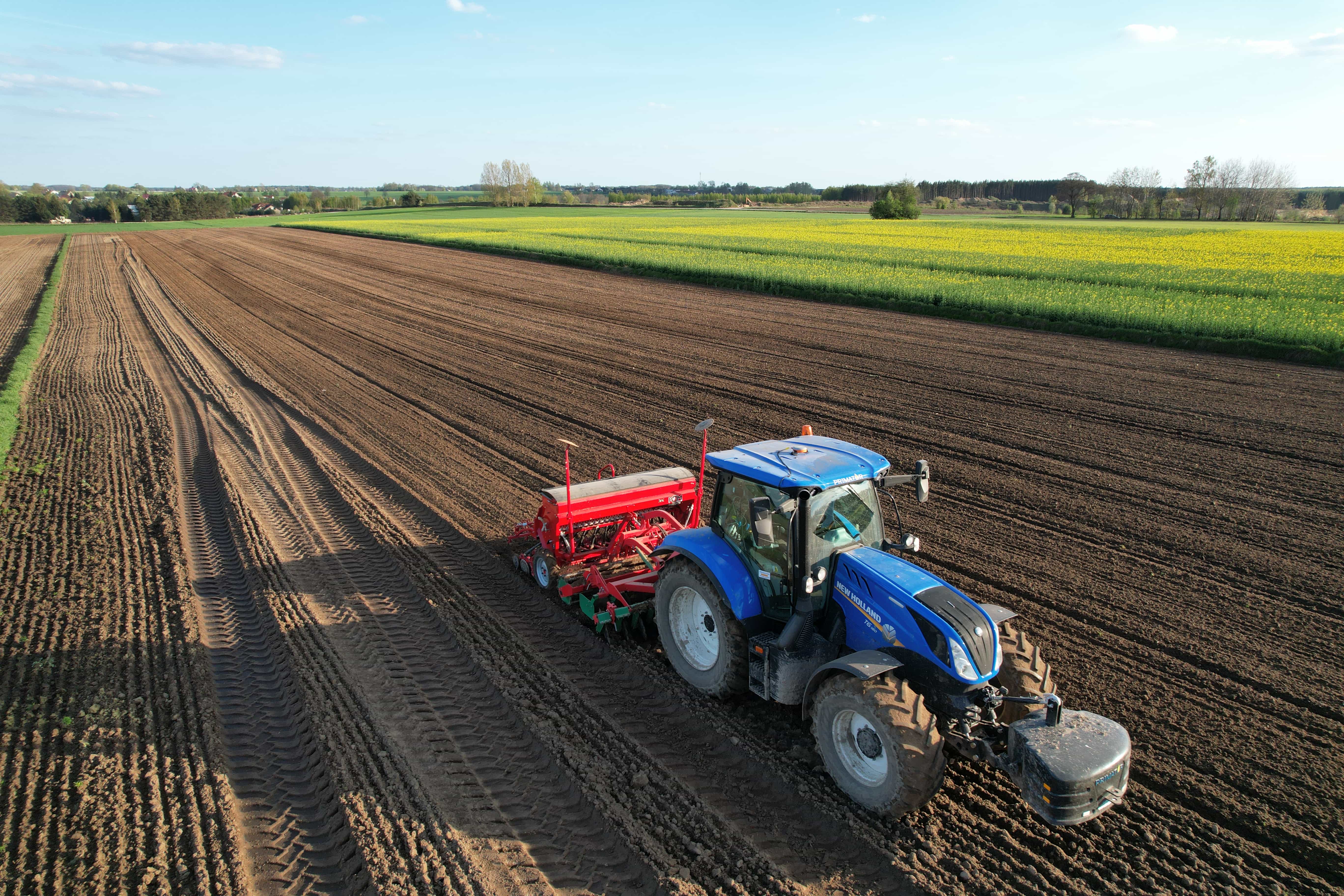
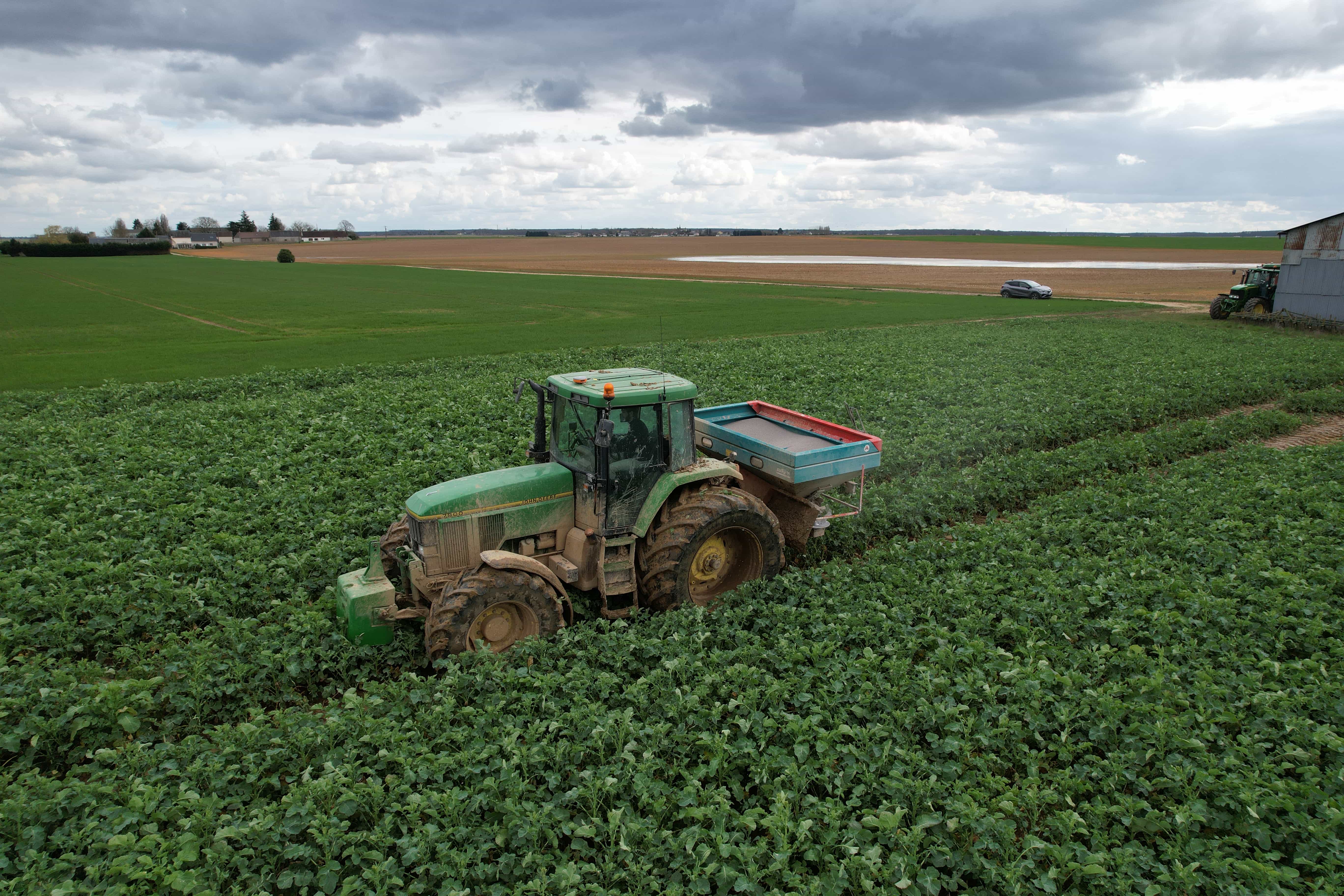
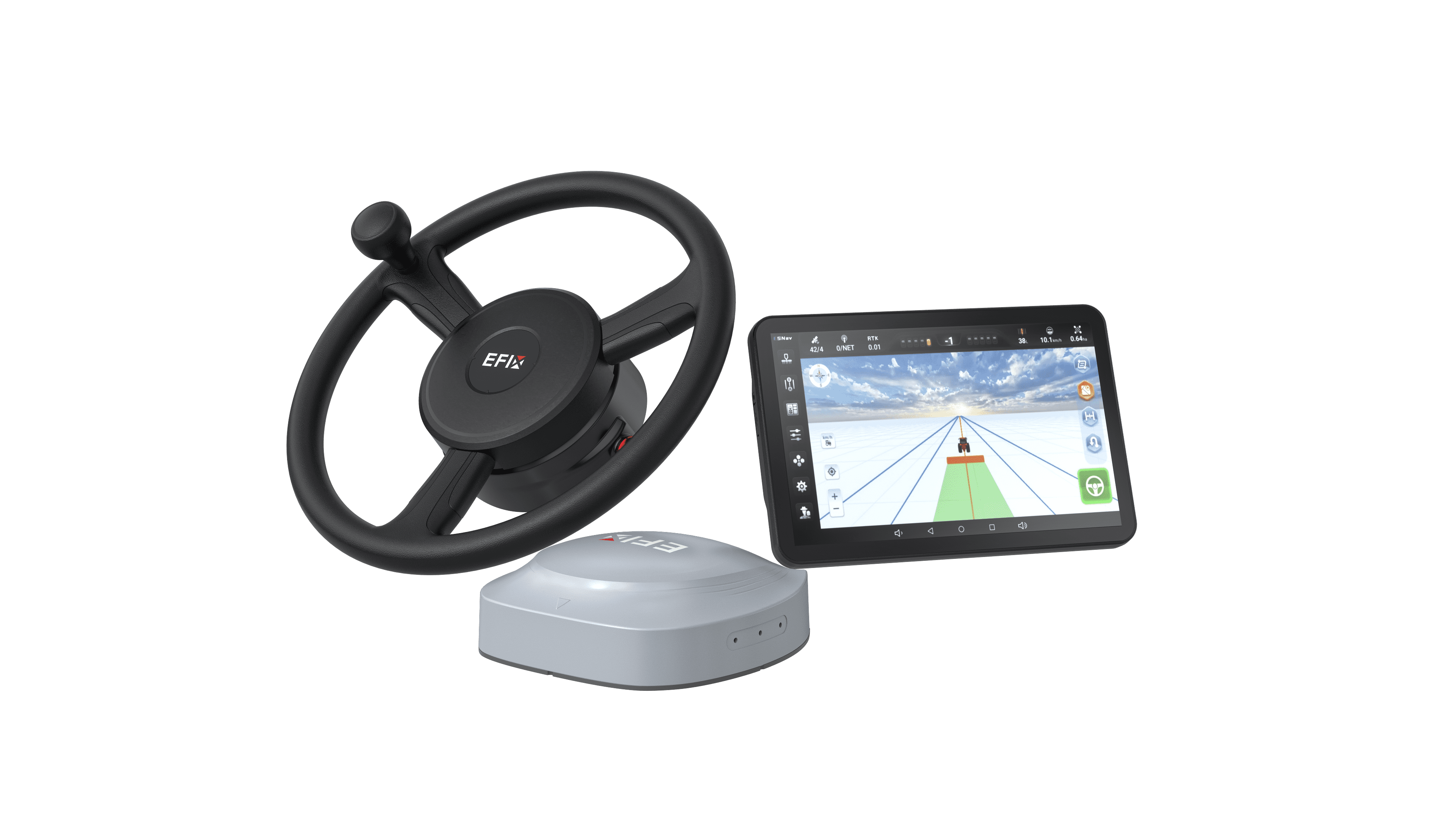
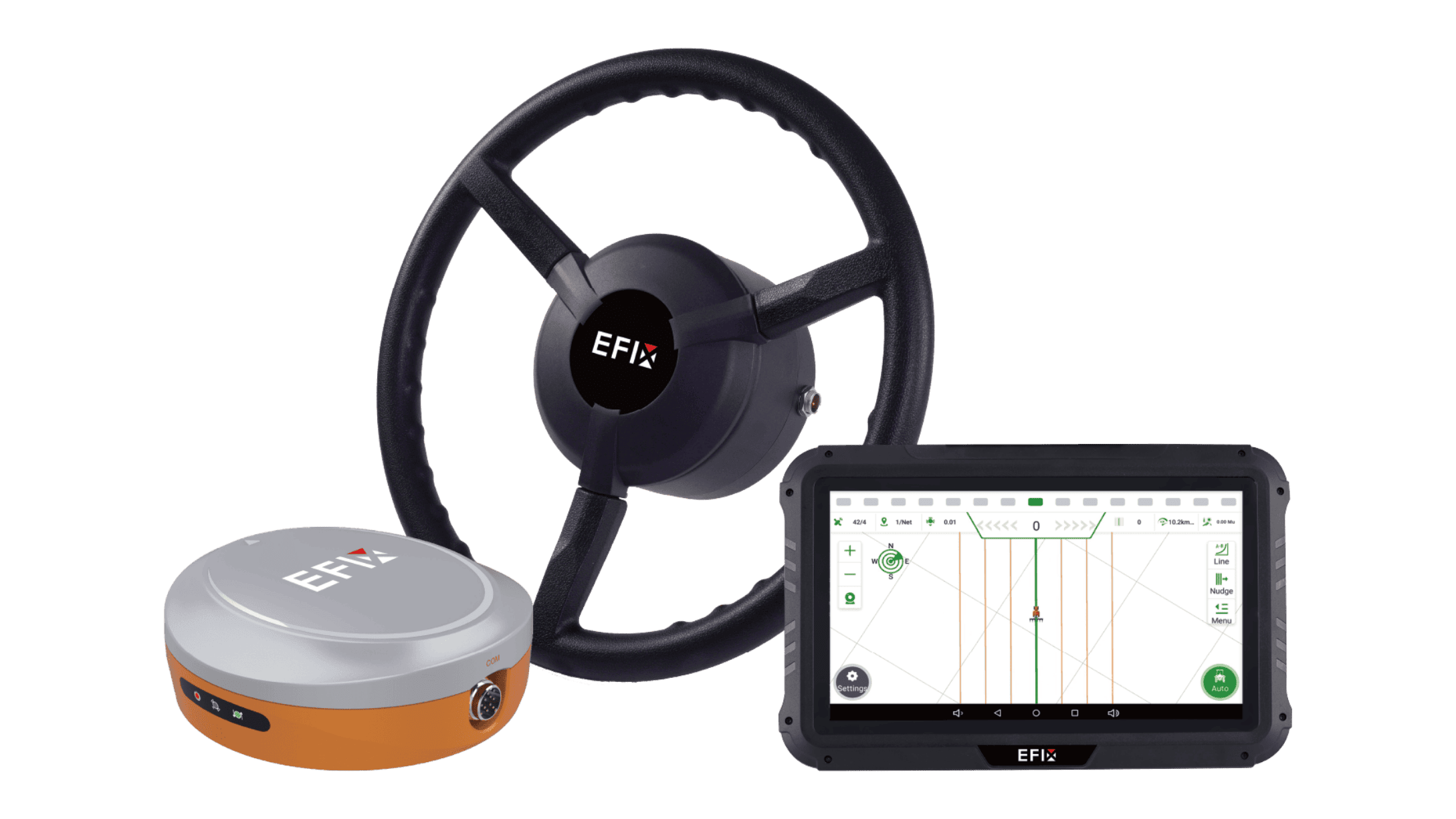
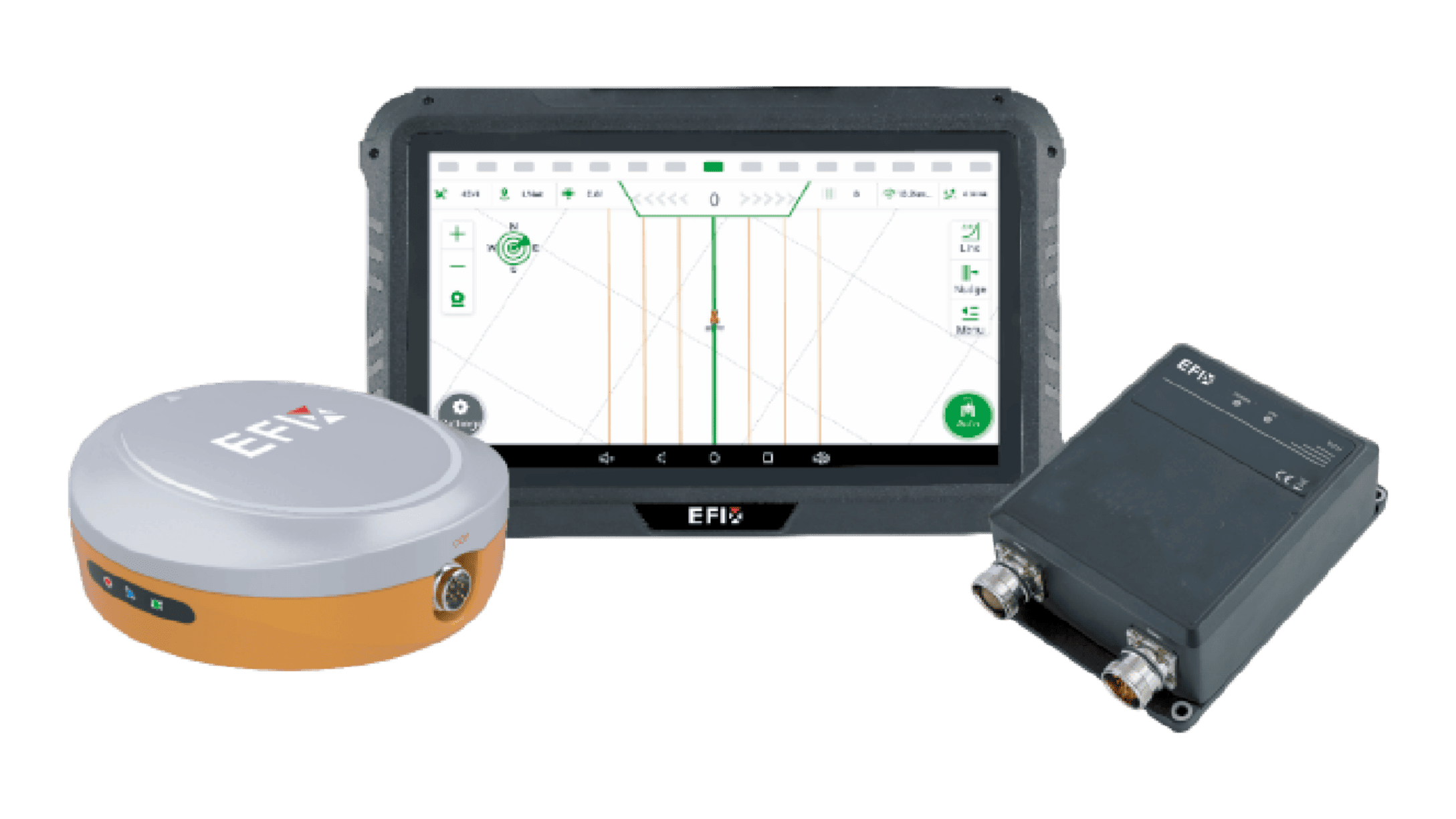
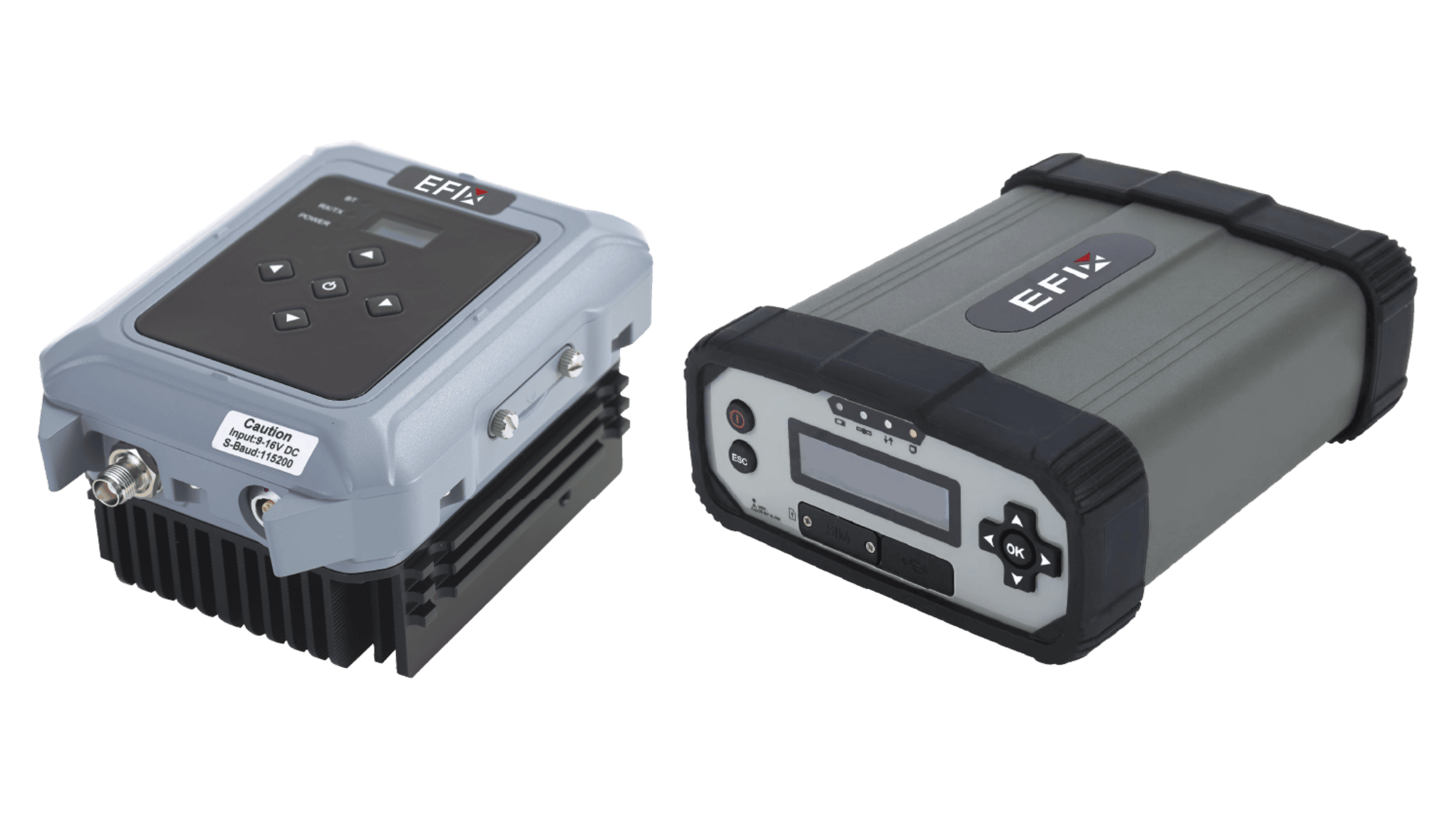
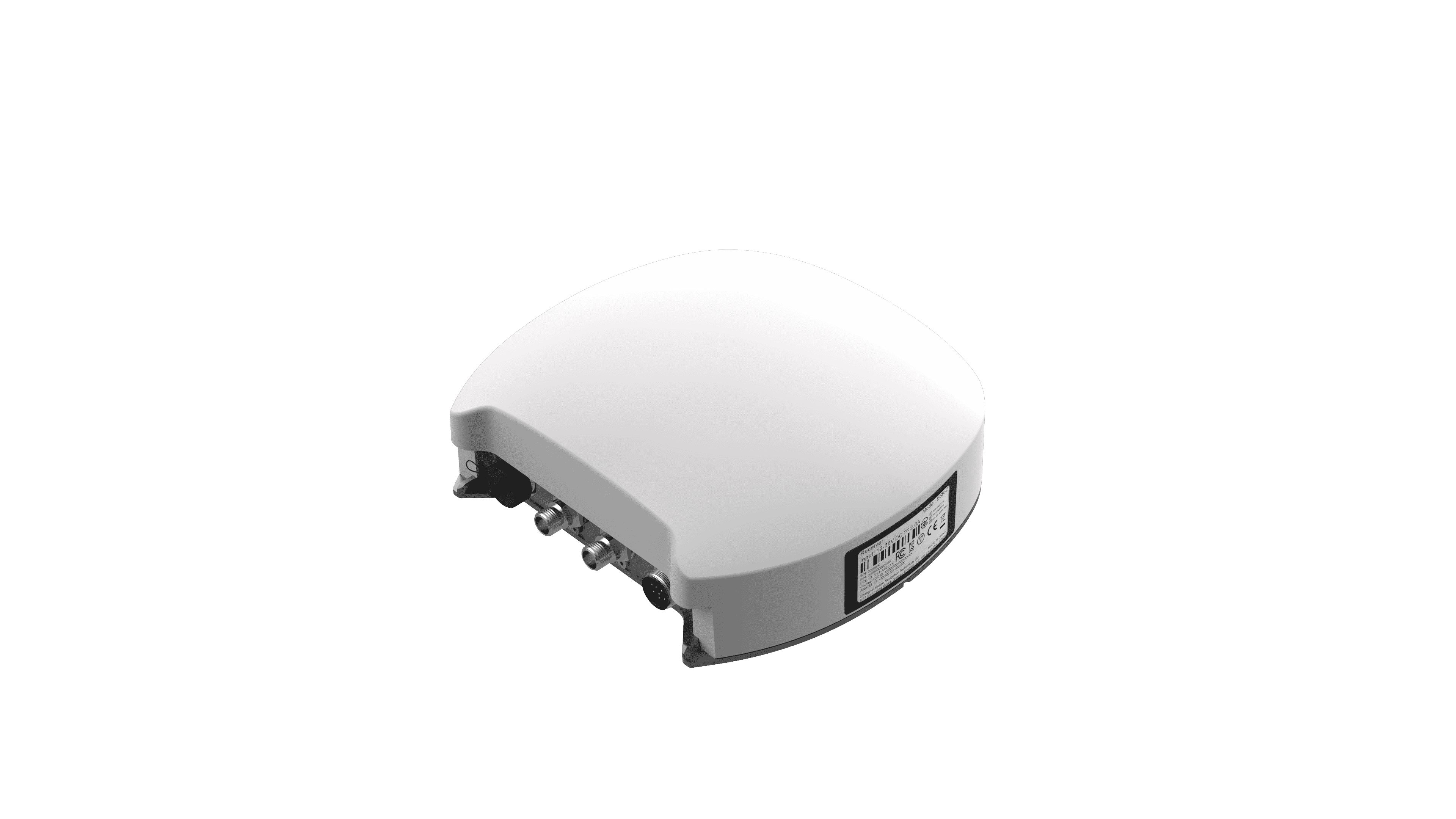
Modern farming often requires positioning accuracy that goes far beyond basic navigation. Farmers use satellite positioning for auto steering, planting, spraying, field mapping, and other operations where repeatable paths can affect productivity and input use. The actual accuracy of a GNSS receiver depends on several factors, including satellite visibility, correction services, antenna quality, signal conditions, and the positioning technology being used. At EFIX, we view accuracy as the result of the complete positioning system rather than a single specification.
What Determines GNSS Accuracy
Satellite signals are the foundation of positioning, but they can be affected by atmospheric conditions, obstructions, and signal reflections. Tracking more satellite constellations can provide more positioning observations and improve flexibility in different field environments. Correction services such as DGPS and RTK can further improve positioning by reducing common errors. For farmers, the choice of correction source should match the required accuracy and working conditions. A GNSS receiver with suitable satellite tracking and correction compatibility can therefore provide more consistent positioning for demanding agricultural tasks.
Accuracy Across Different Farming Tasks
Not every farming operation needs the same level of positioning accuracy. Field mapping may work with moderate accuracy, while planting and seeding often require more repeatable pass-to-pass positioning. Spraying can also benefit from accurate guidance because overlapping passes may increase input use. Auto steering systems depend on positioning data to maintain planned paths across the field. This means farmers should consider the complete application before selecting equipment. Accuracy should be evaluated in relation to the task, correction source, operating speed, and field conditions.
Why Hardware Reliability Also Matters
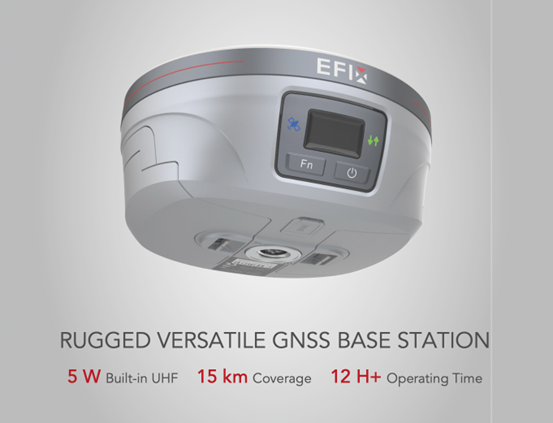
Positioning accuracy is only useful if equipment can continue working in real field conditions. Agricultural machinery may encounter dust, moisture, vibration, temperature changes, and accidental impacts. The eBase, for example, uses a magnesium-aluminium body that combines reduced weight with increased durability. Its design meets IP67 standards for water and dust resistance and can withstand a 2-meter drop onto hard ground. These characteristics can help protect positioning equipment during transportation, installation, and daily field operations. A robust GNSS receiver can therefore contribute to more dependable positioning workflows in challenging environments.
Conclusion
Modern agricultural positioning can reach a high level of accuracy, but the result depends on more than satellite reception alone. Correction services, satellite availability, signal conditions, application requirements, and hardware durability all influence practical performance. Farmers should evaluate these factors together instead of focusing on one accuracy number. At EFIX, we combine positioning technology with durable equipment design to support demanding agricultural applications. With the right system configuration, farmers can select positioning solutions that match their specific field tasks and operating conditions.