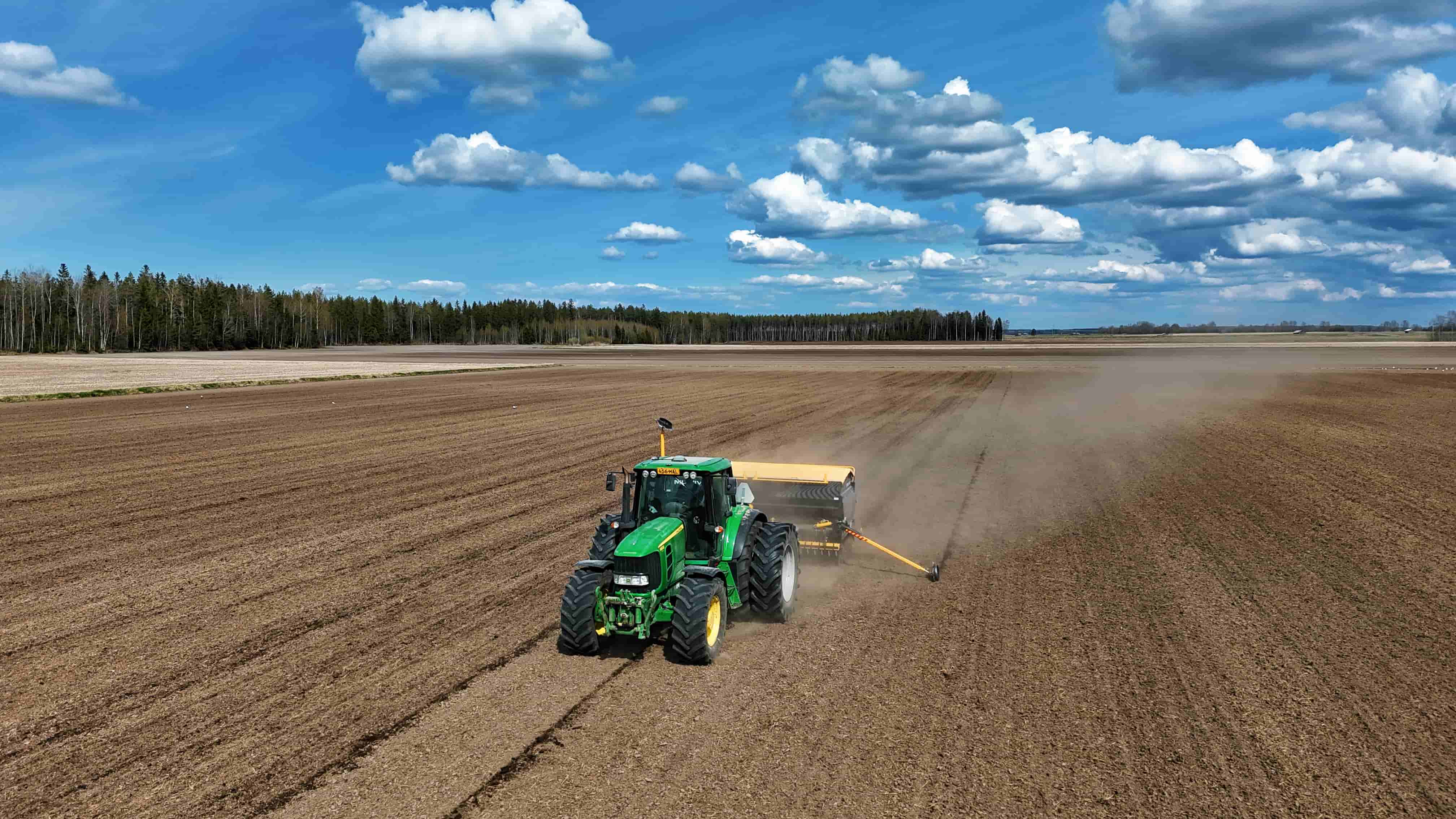
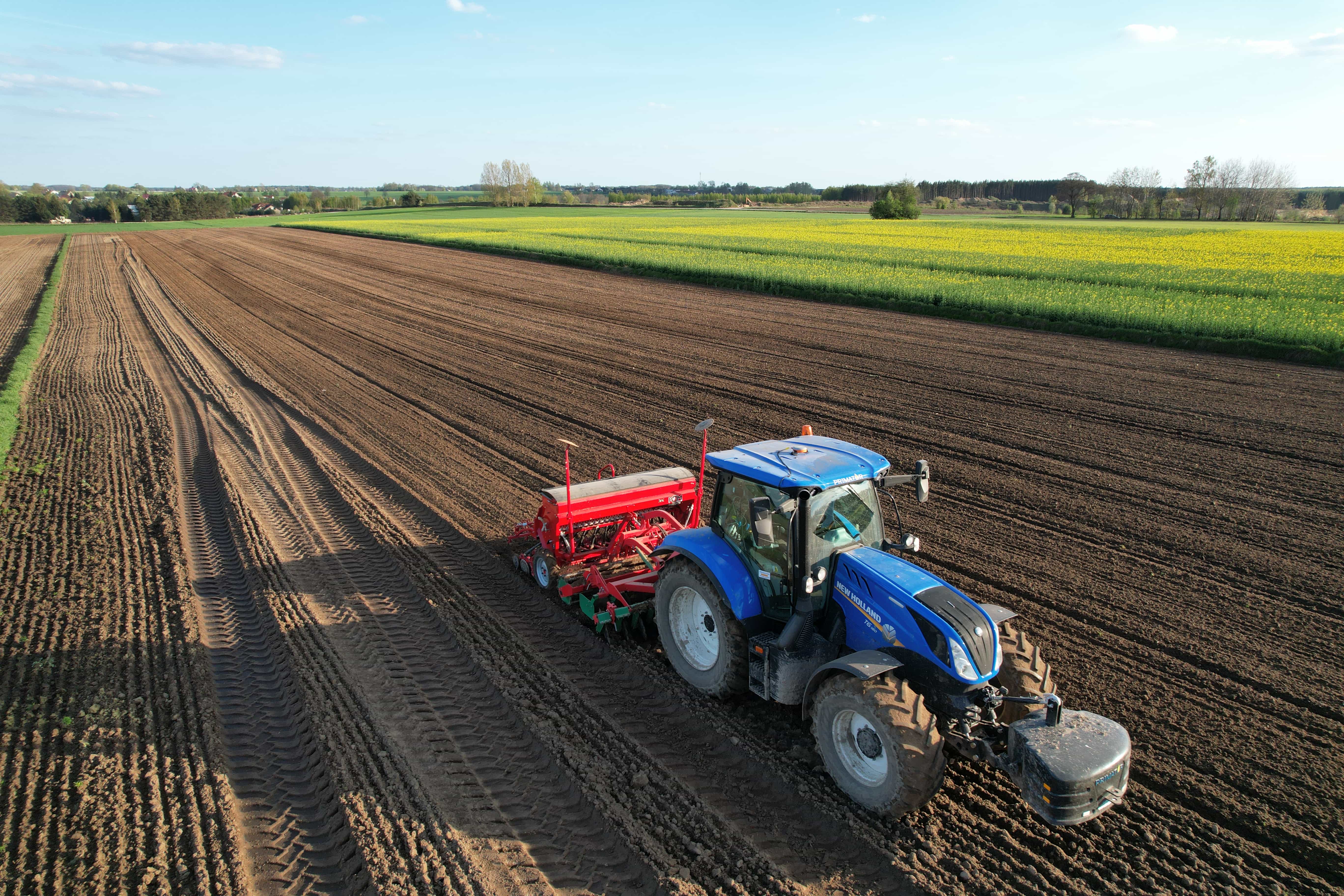
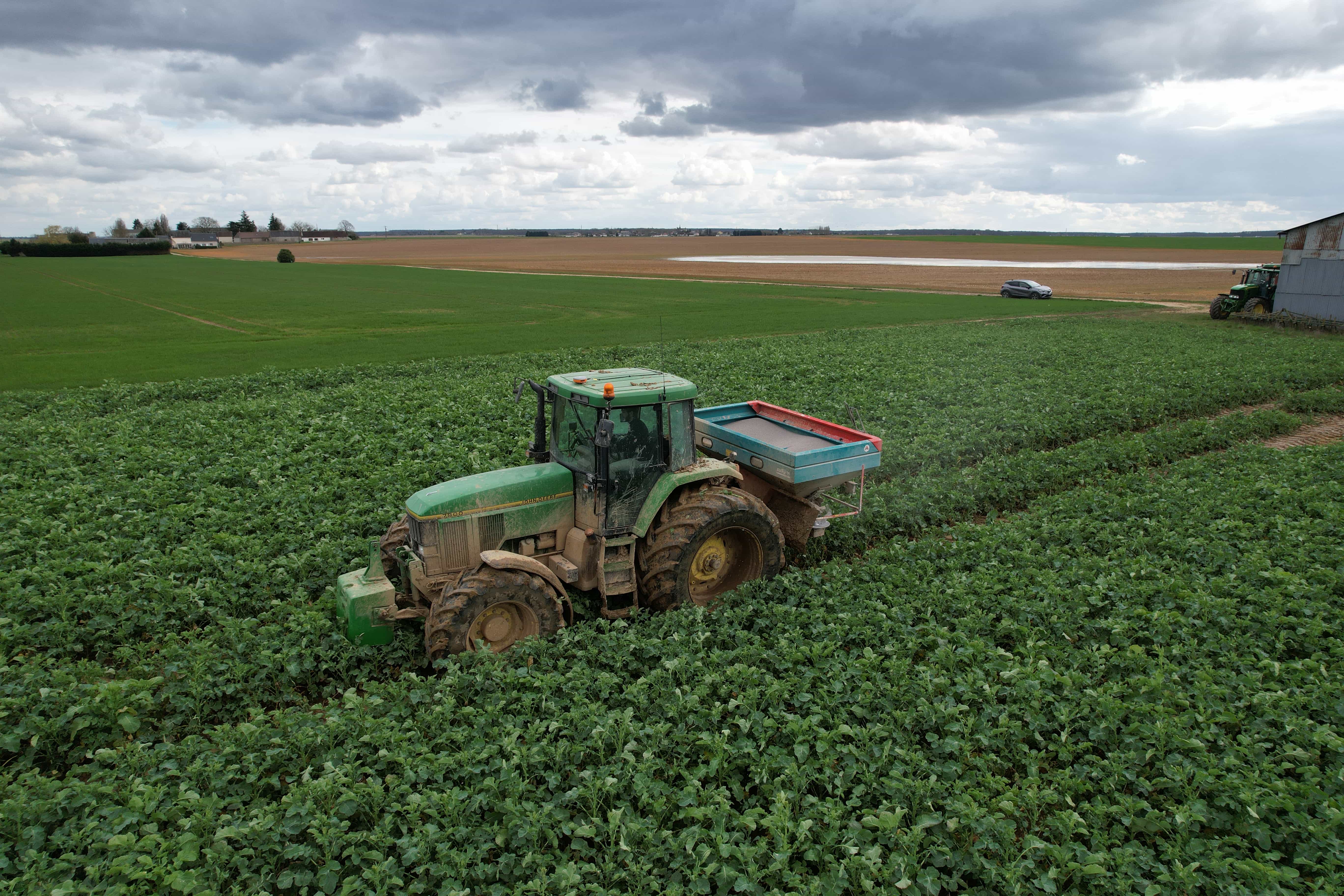
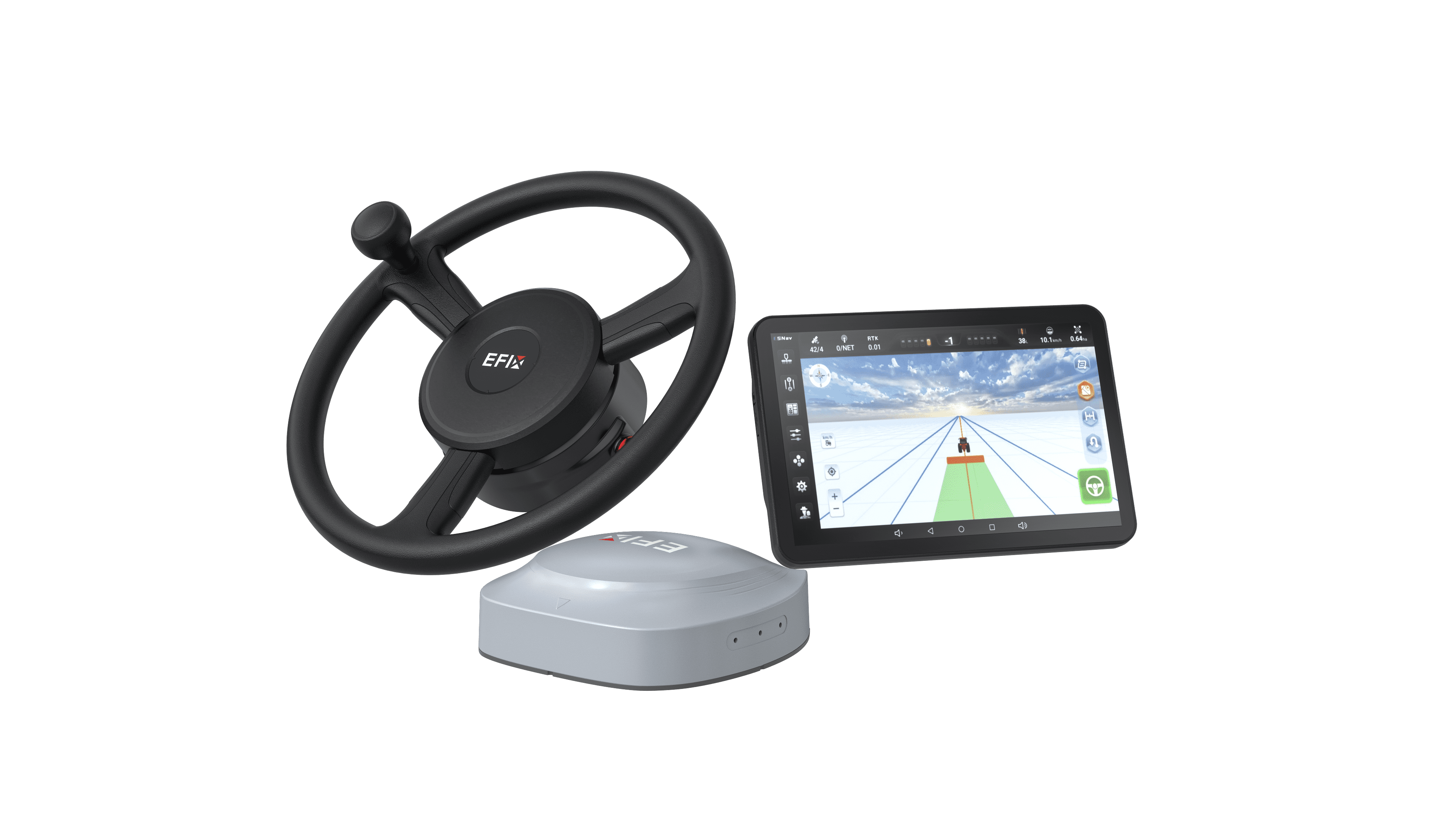
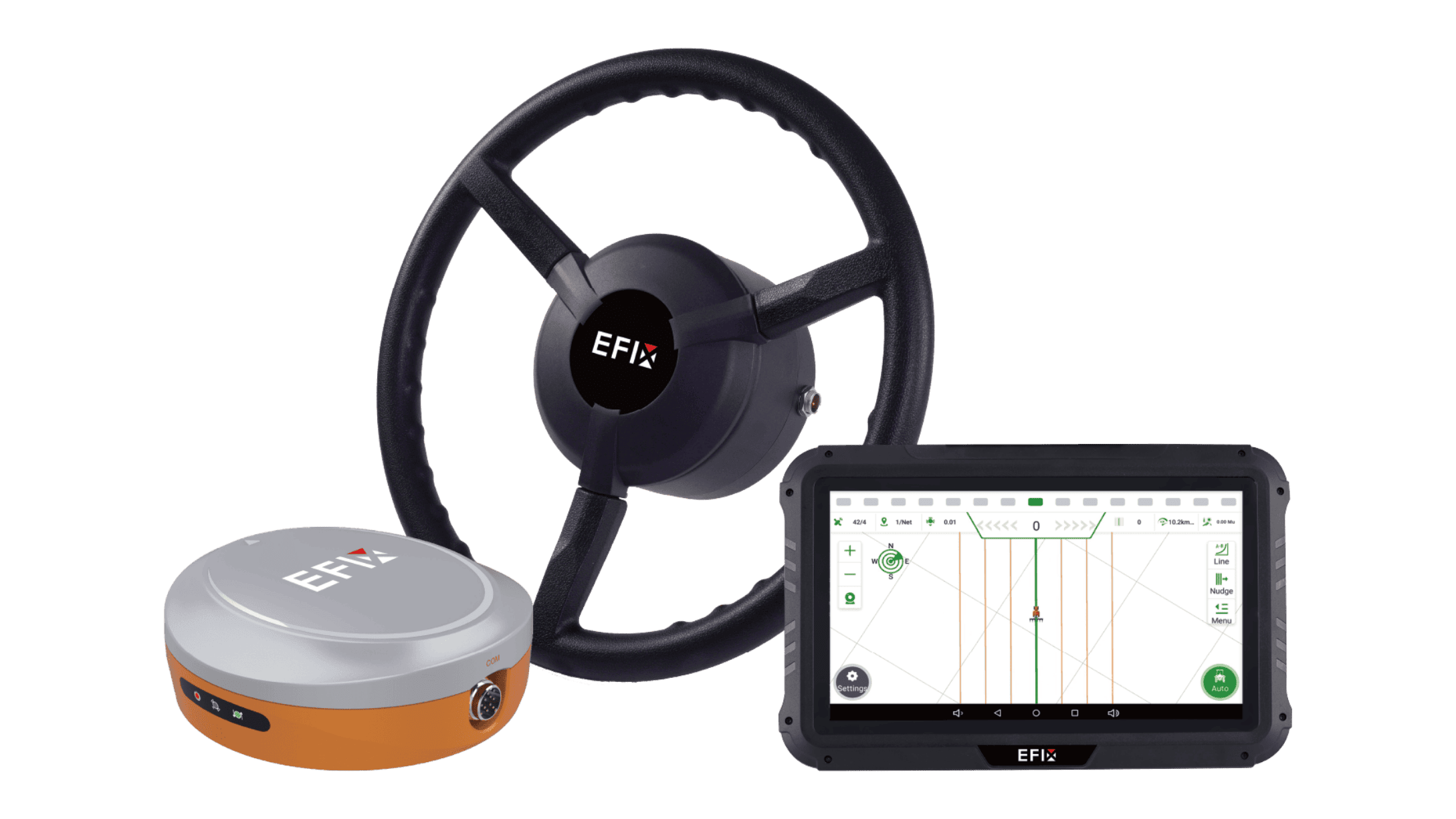
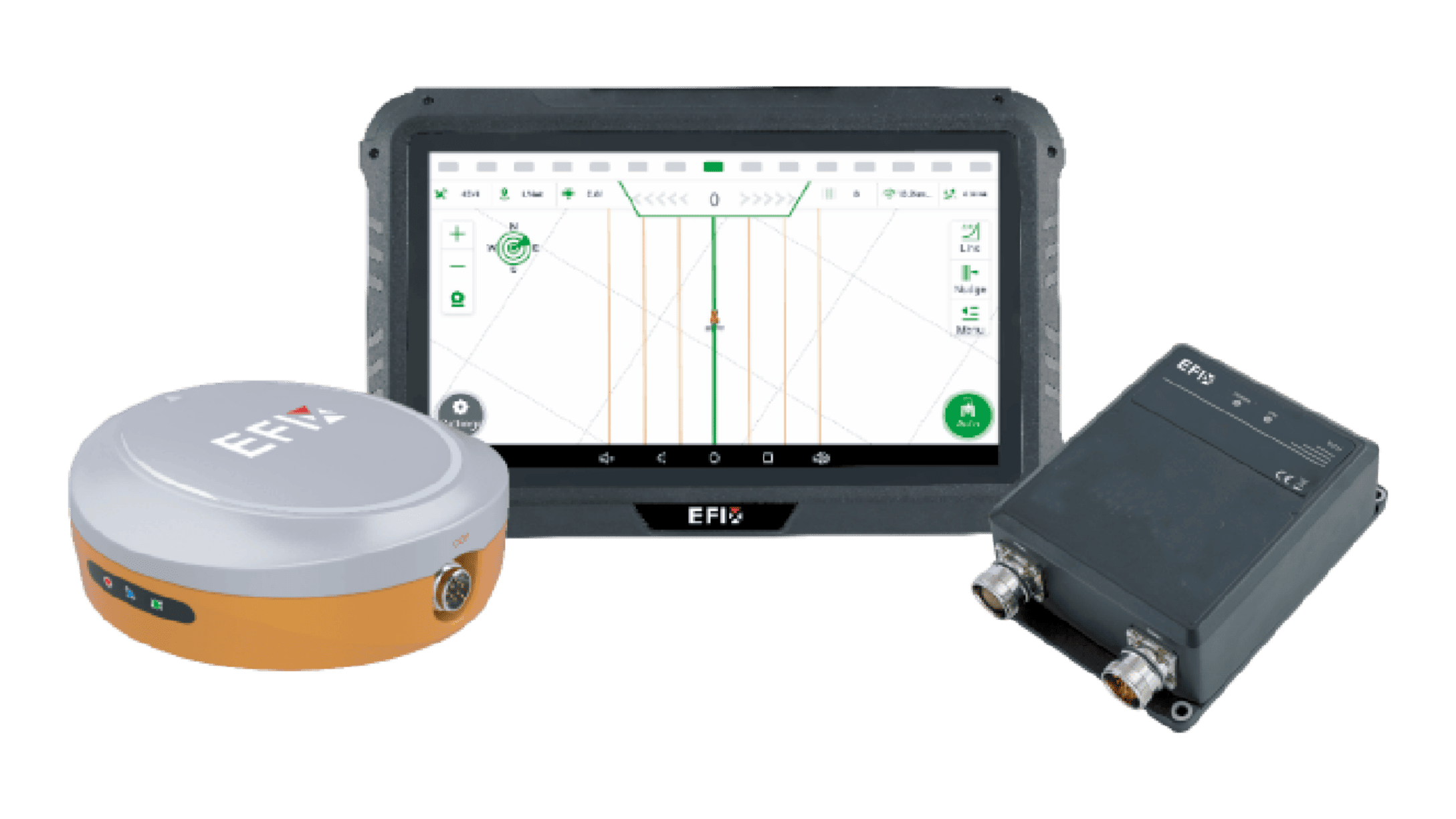
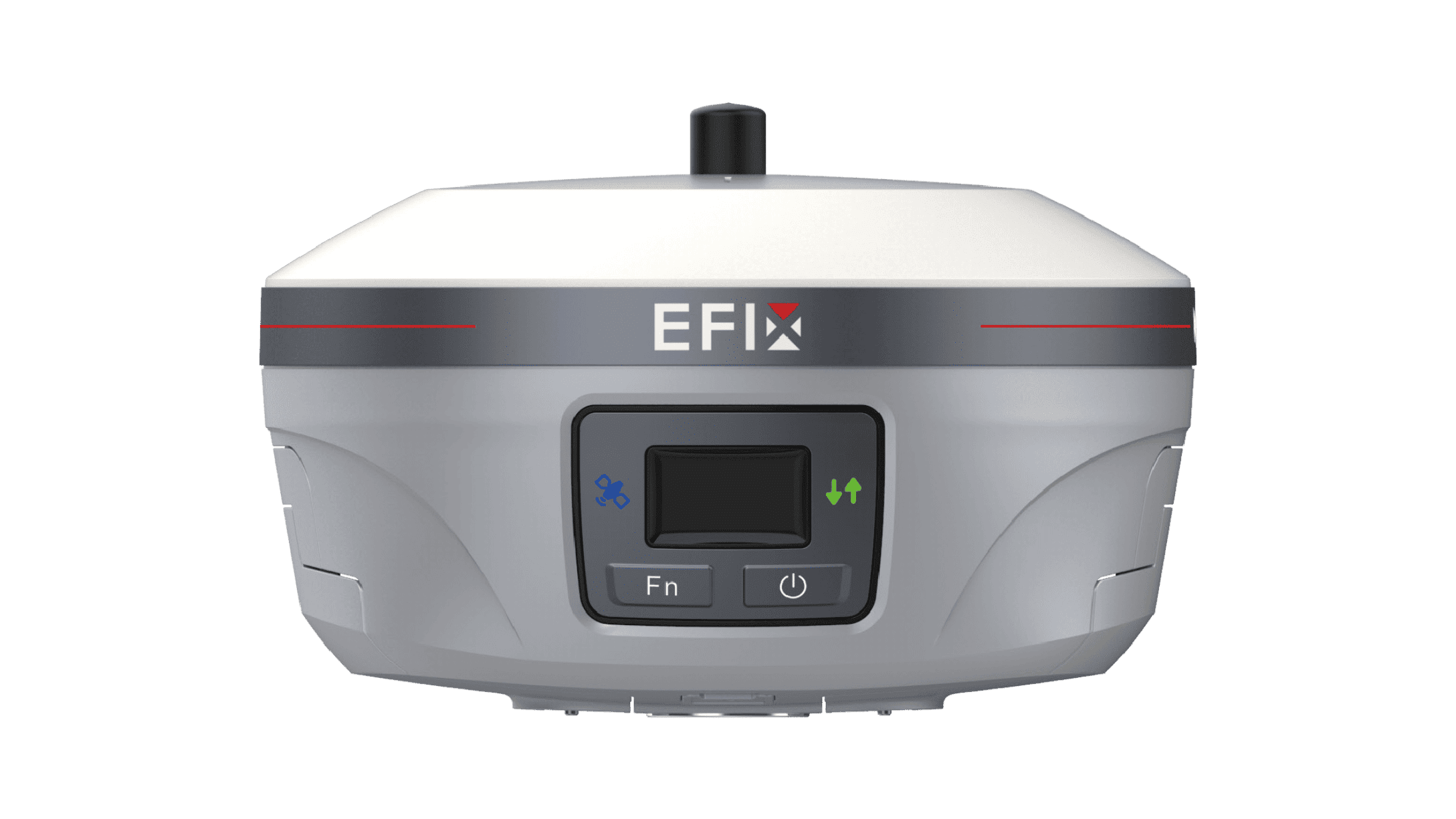
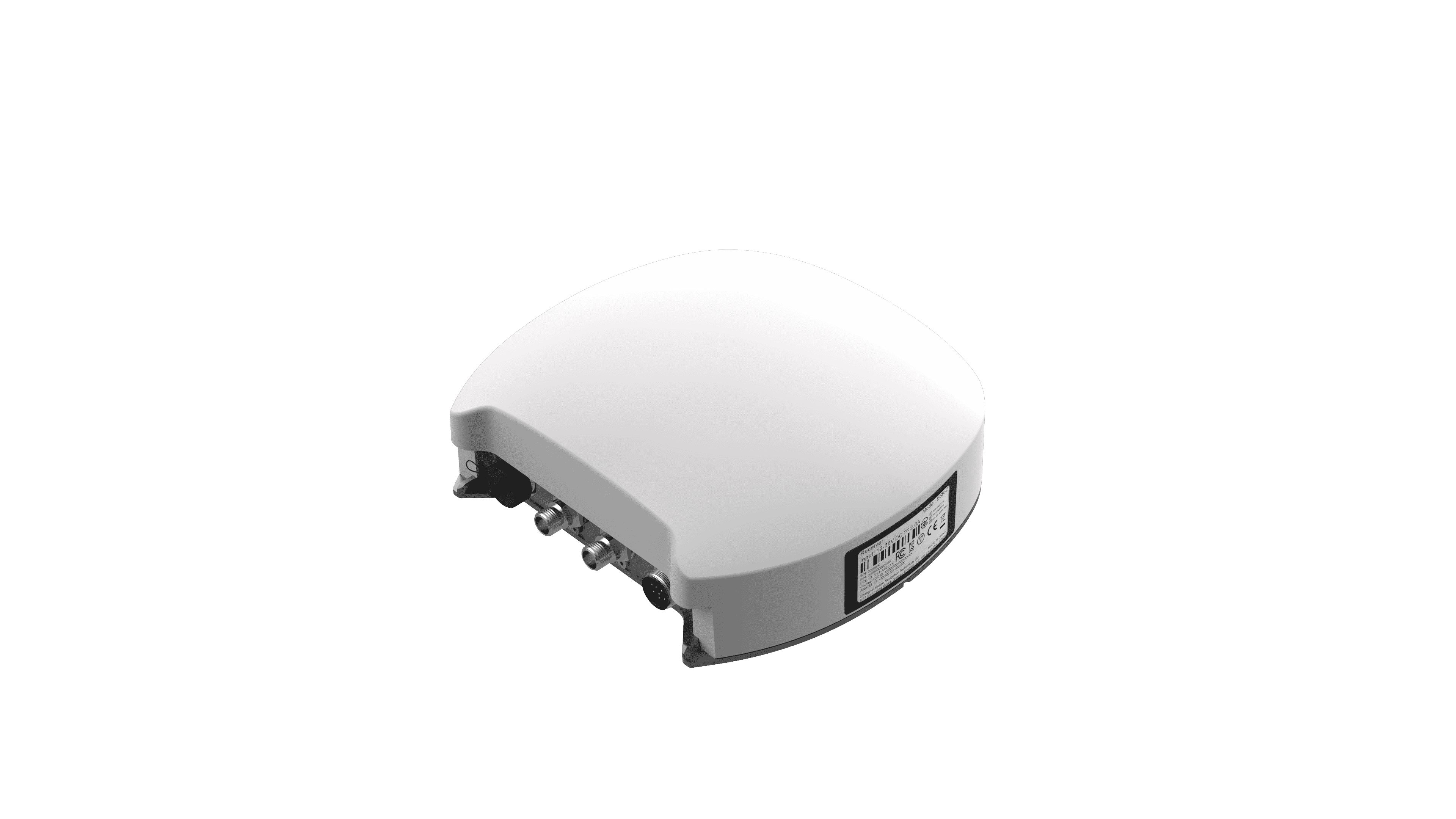
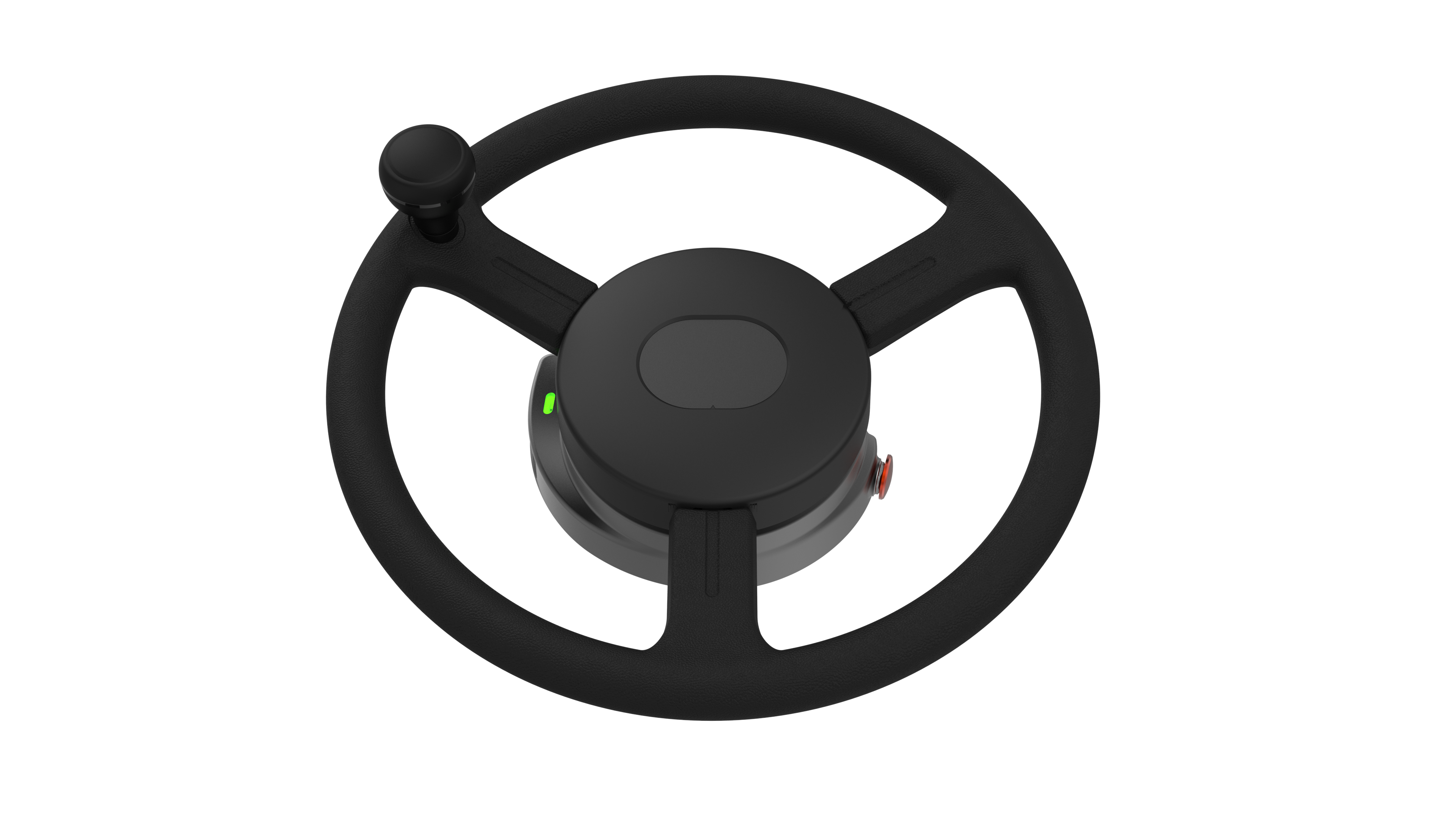
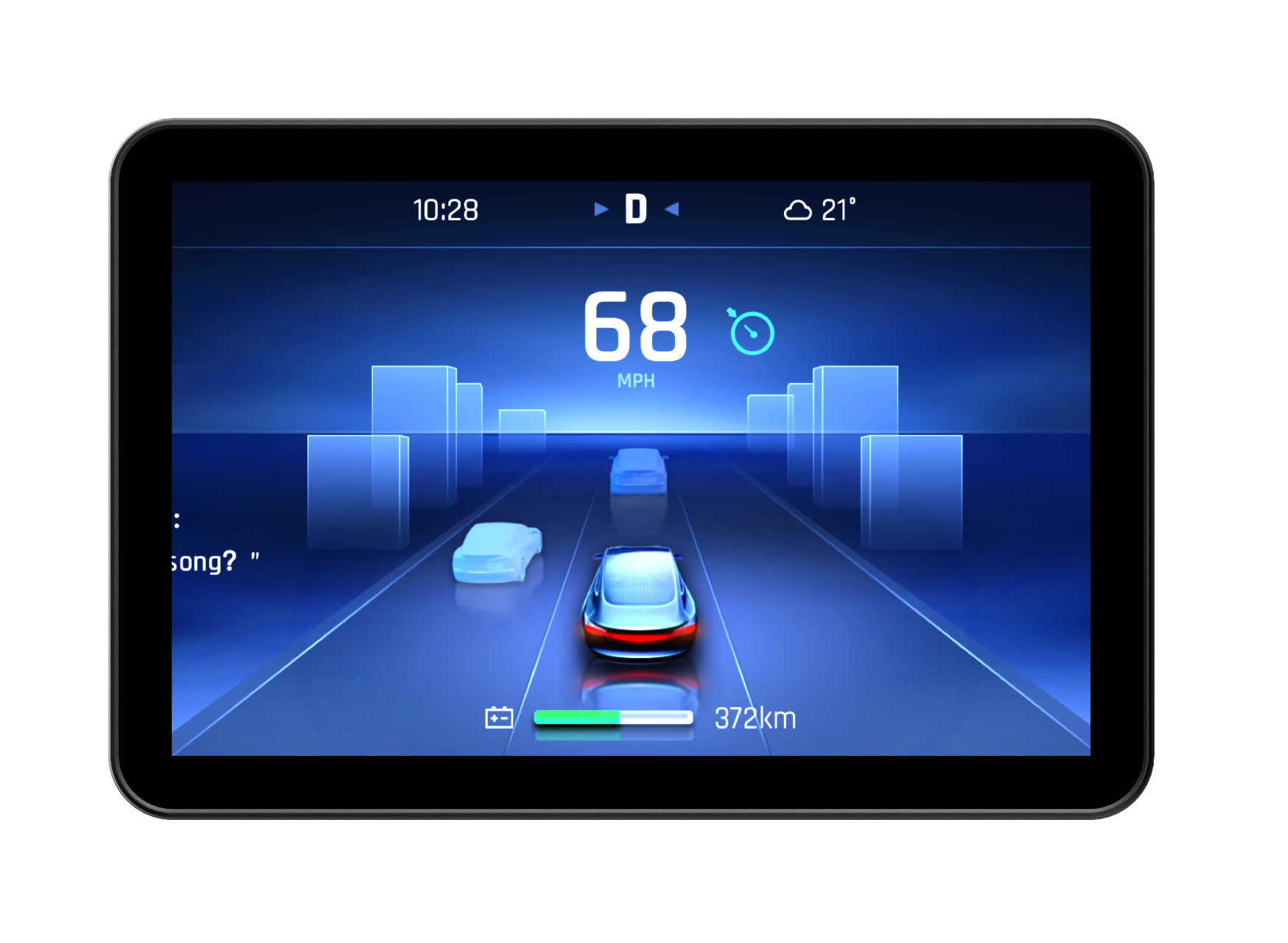
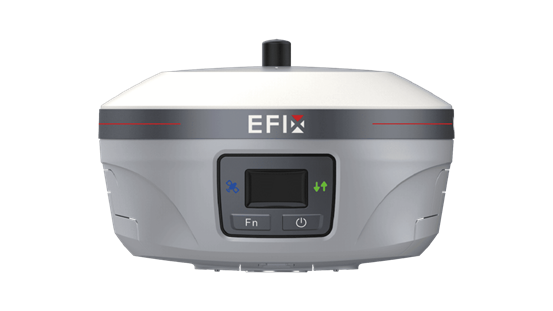
Modern farming depends on accurate positioning more than ever. Straight guidance, repeatable field passes, and precise data collection can affect how efficiently farmers use seeds, fertilizer, and crop protection products. A high precision GNSS receiver helps agricultural machines determine their position with greater accuracy by using satellite signals and correction services. At EFIX, we focus on practical positioning technologies that can support real farming tasks while adapting to different field conditions.
How Precise Positioning Supports Farm Work
Accurate positioning helps reduce unnecessary overlap between adjacent passes. This is useful during seeding, spraying, and fertilizing, where repeated coverage can increase material use and operating costs. It also helps farmers follow the same guidance lines across different operations. For example, a field mapped during one season can provide useful reference data for future planting or harvesting. The result is more consistent fieldwork and better use of existing farm machinery.
What Matters in Real Farming Conditions
A receiver should do more than provide accurate positioning in ideal conditions. Signal availability, correction sources, communication range, and terrain can all affect field performance. For mobile outdoor operations that require continuous movement across large farmlands, low power consumption and adaptable signal coverage are also critical practical indicators. Wireless transmission hardware determines the stability of correction data delivery, and actual field environments heavily influence effective communication distance.
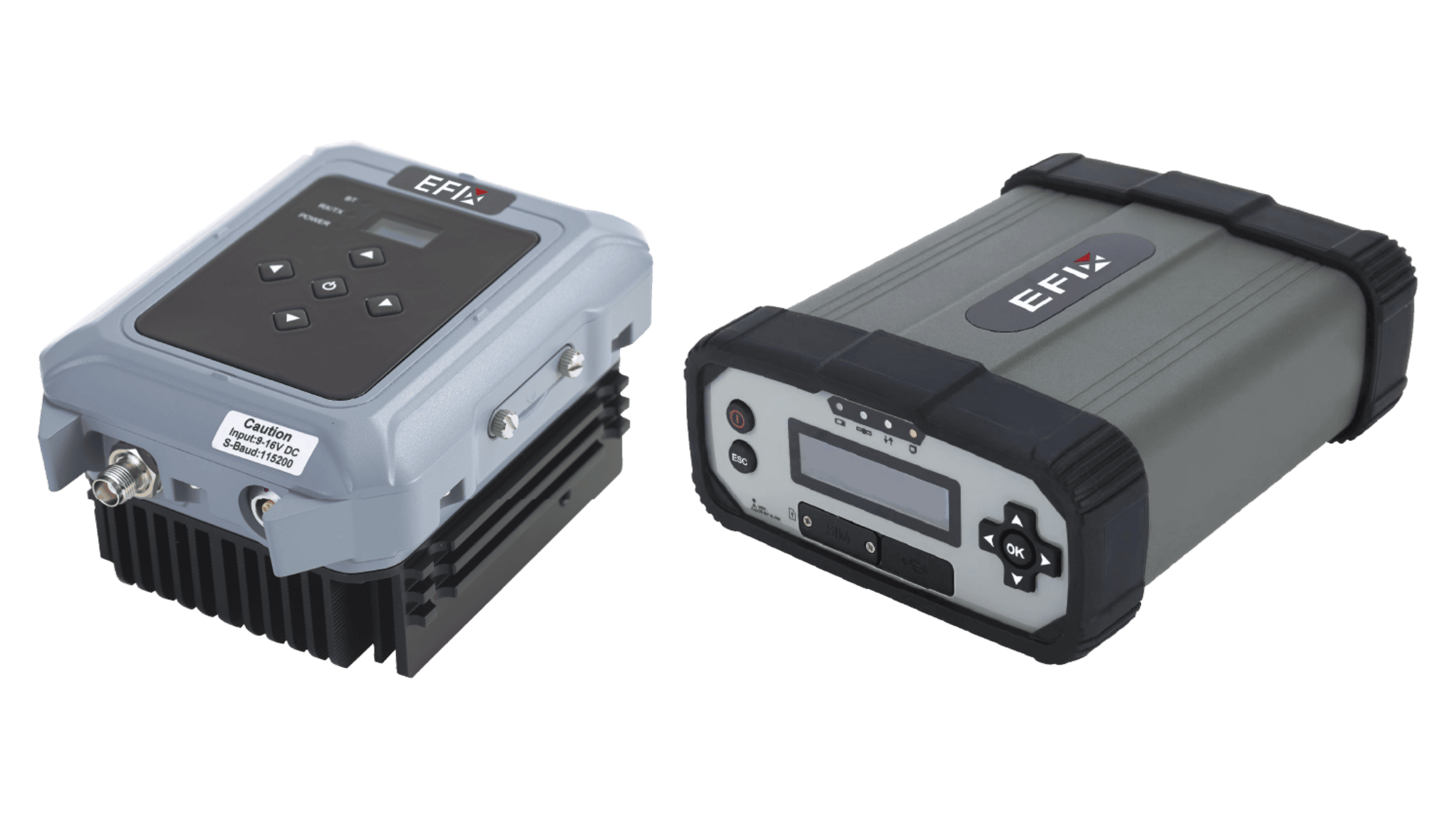
Devices like the FarRadio UHF modem deliver durable battery performance and flexible coverage suited for complex farm scenarios, sustaining more than 12 hours of continuous operation during regular field work with a standard 15-kilometer effective coverage radius. In unobstructed open farmland, the transmission range can extend up to 25 kilometers, while sheltered environments such as forest edges and suburban farm zones naturally narrow the effective range to approximately 5 kilometers. These factors should be considered based on the actual working environment.
Choosing a Receiver for Long-Term Use
Durability is another practical factor for agricultural and outdoor applications. Equipment may face dust, moisture, vibration, and changing temperatures during daily work. A suitable high precision GNSS receiver should match the required accuracy while also supporting reliable communication and field operation. At EFIX, we consider these practical requirements when developing positioning solutions for demanding outdoor applications.
Conclusion
Precision agriculture is not only about satellite positioning. It is about combining accurate data, stable correction services, suitable communication methods, and reliable equipment. By choosing the right GNSS technology for specific field conditions, farmers can improve guidance consistency and make daily operations more predictable. We at EFIX continue to focus on practical GNSS solutions that help users bring precise positioning into real-world agricultural and outdoor workflows.