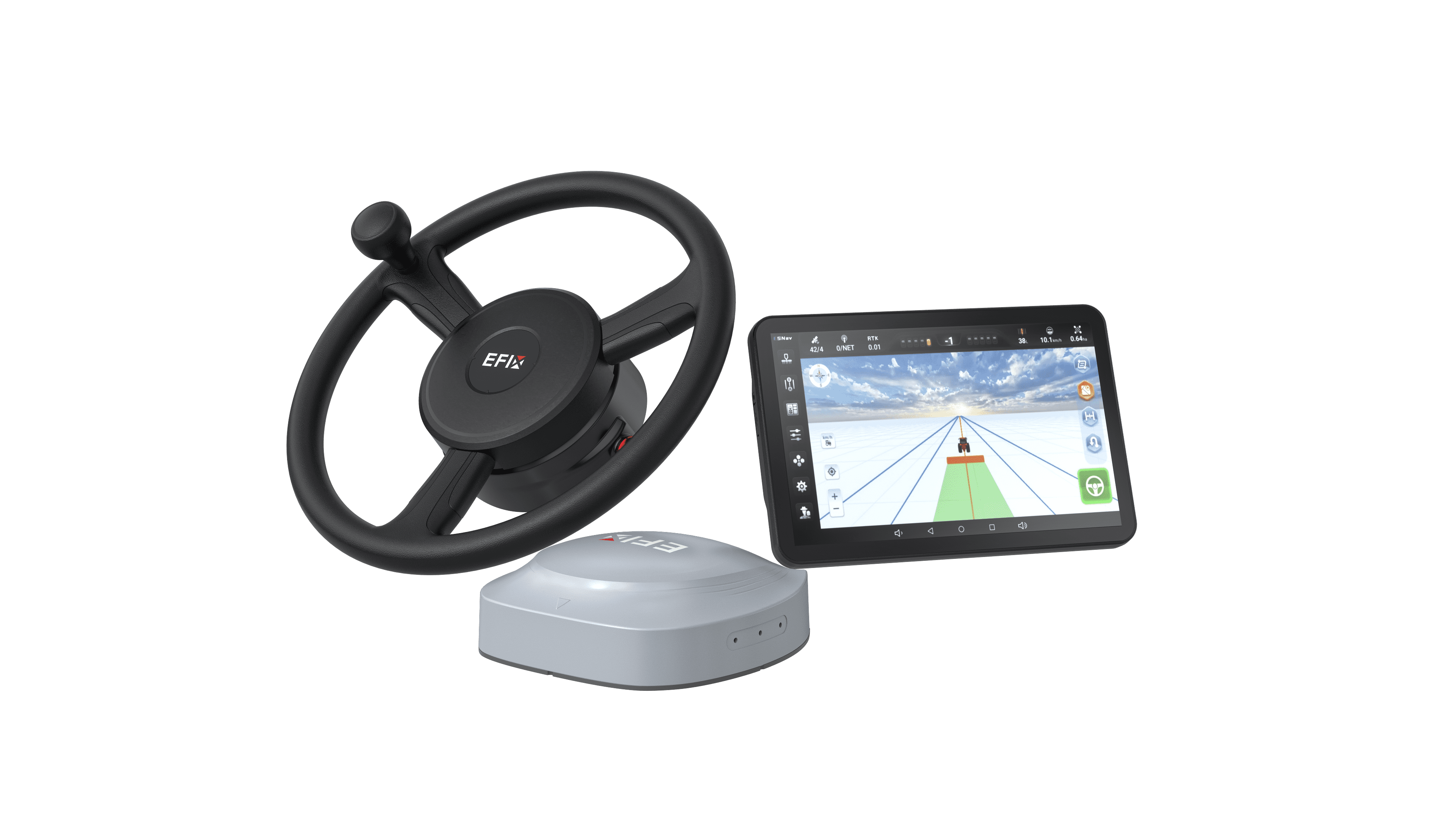
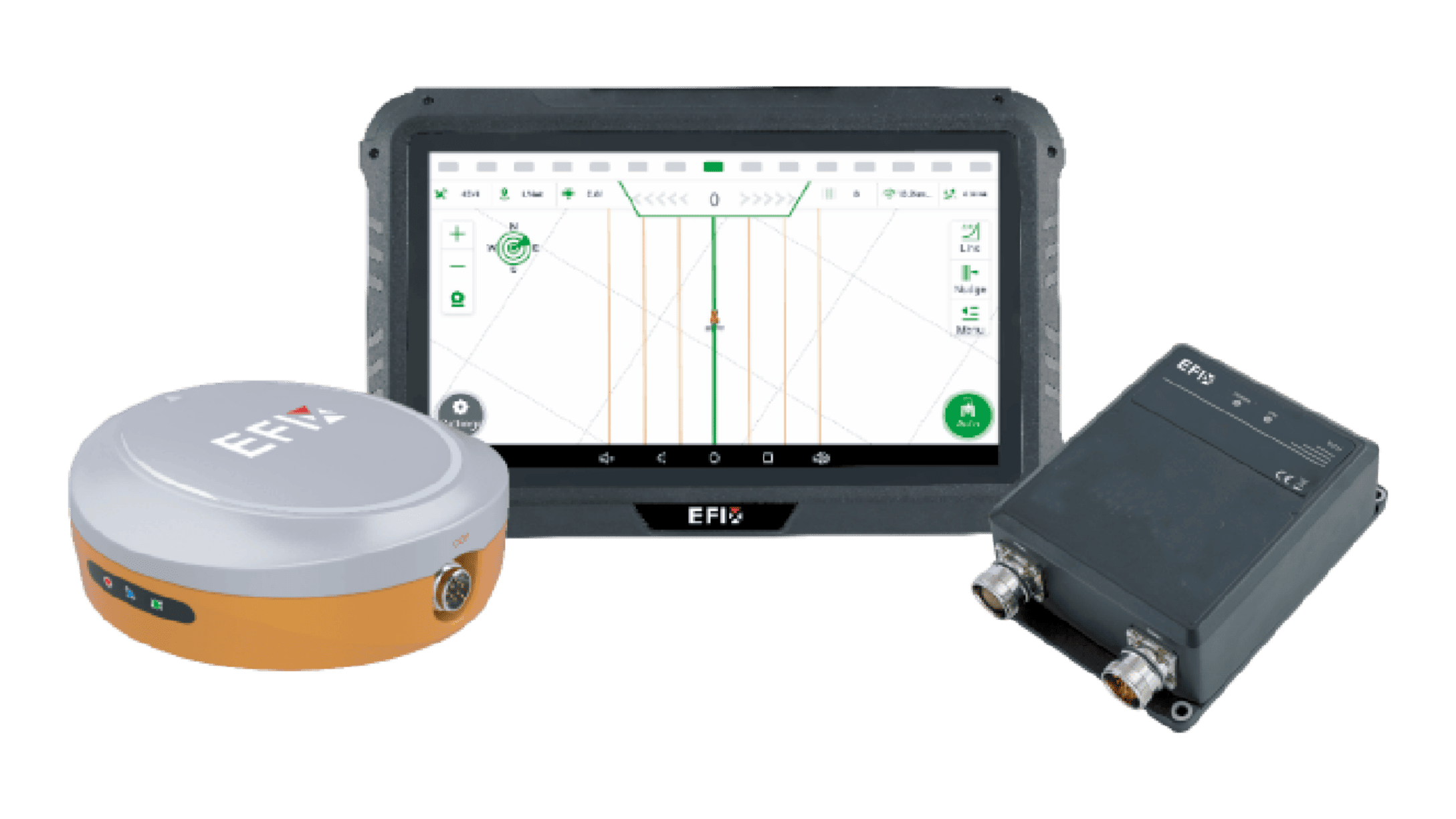
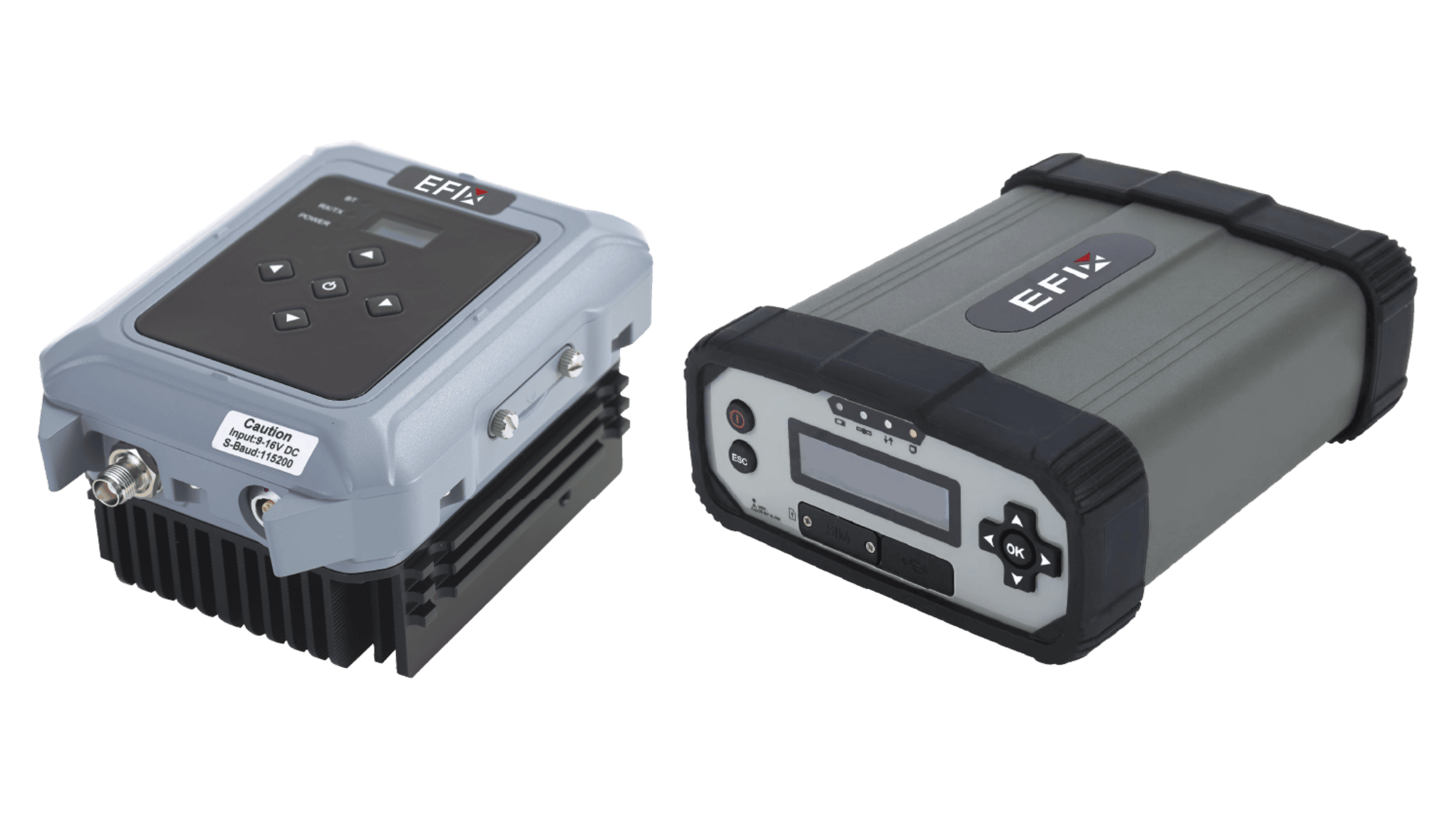
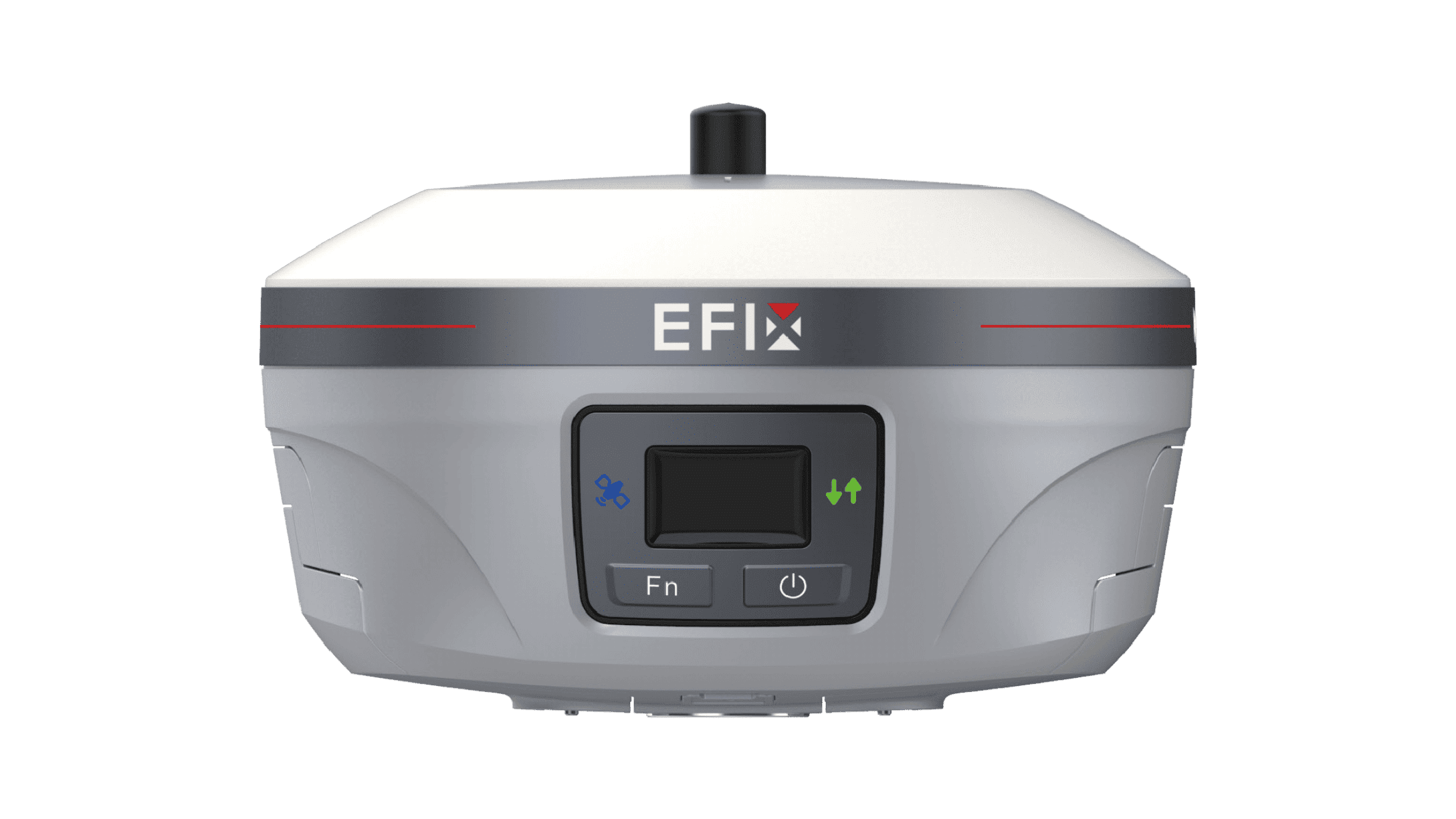
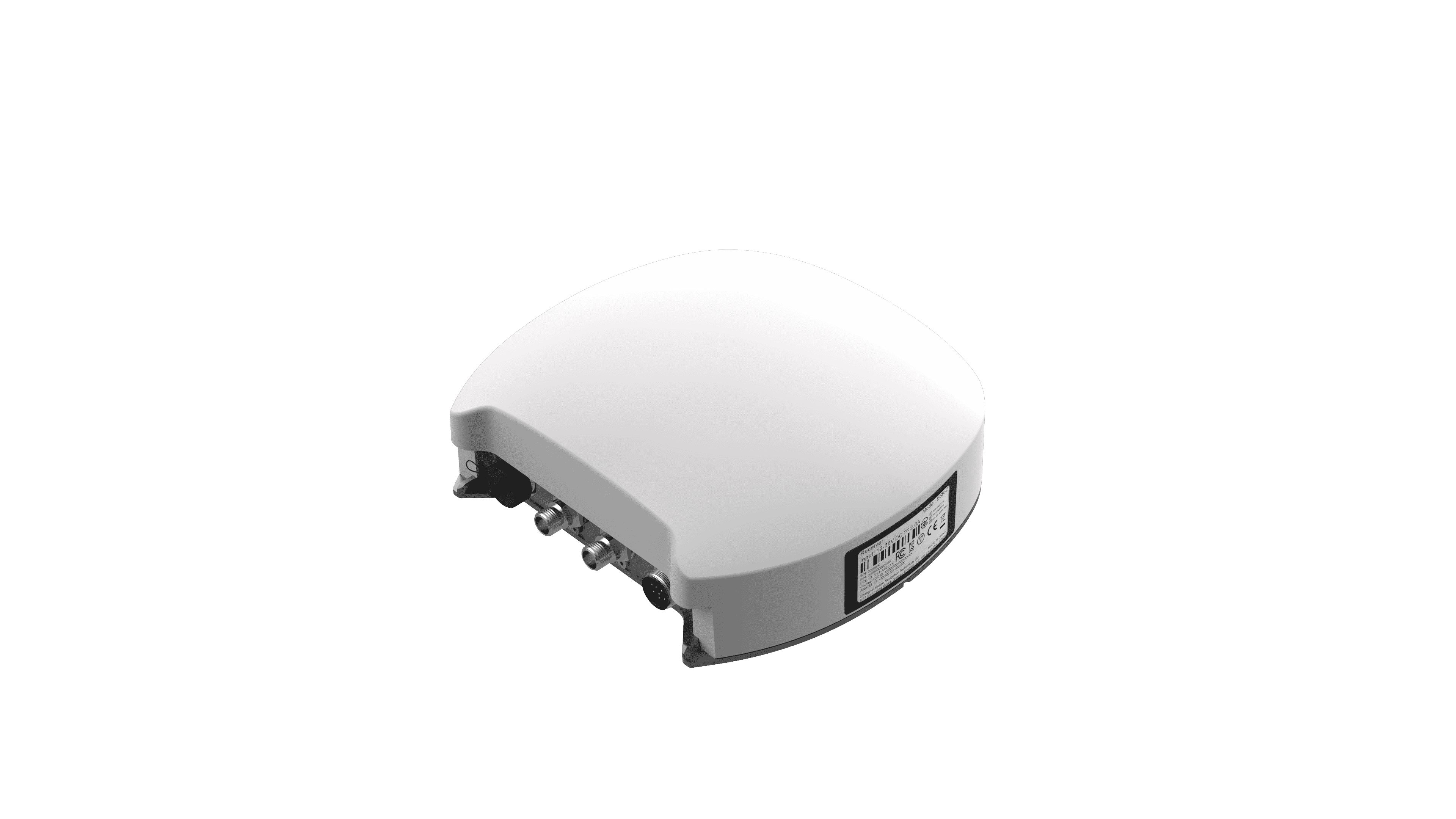
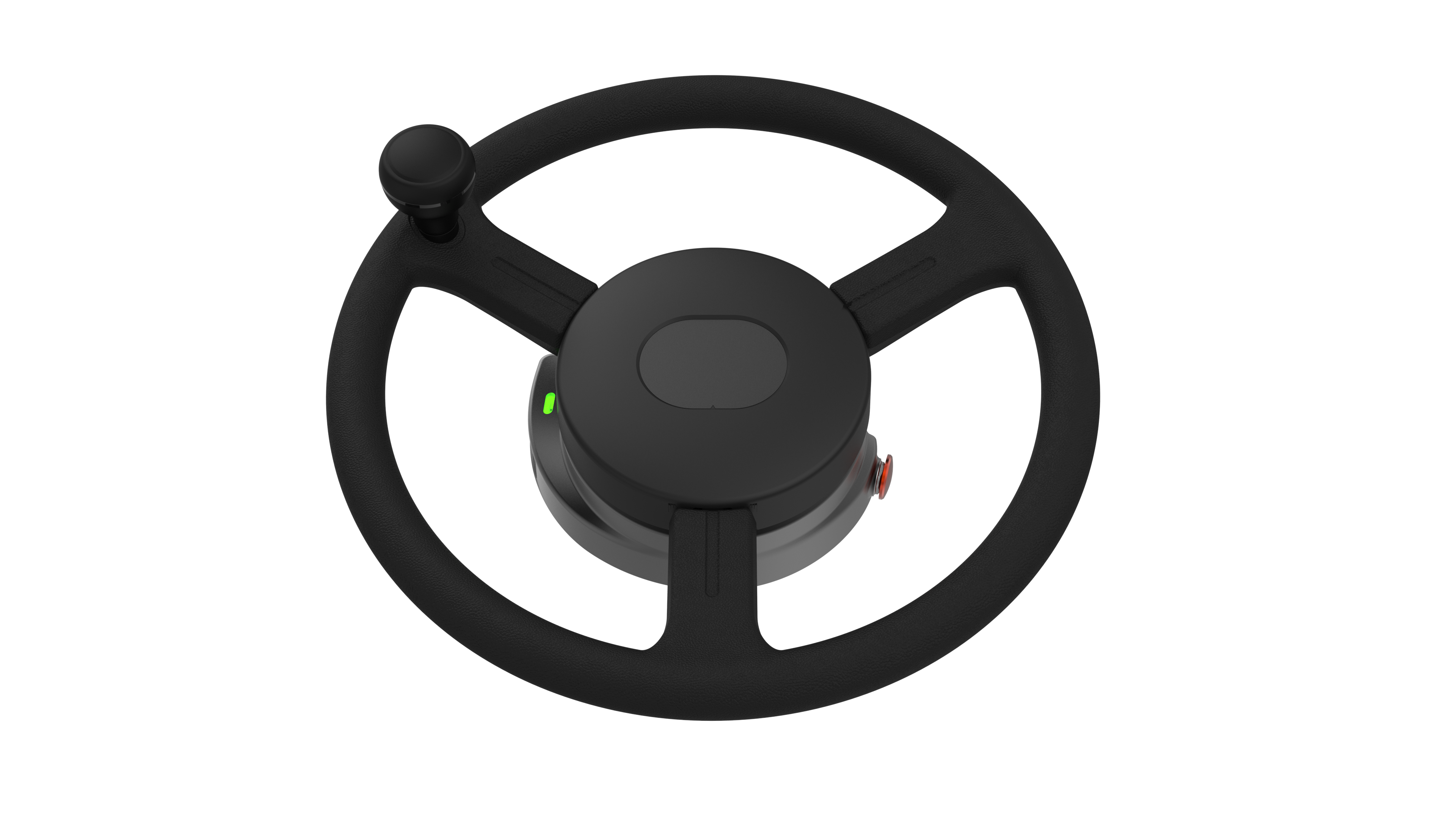
RTK positioning is often associated with a base station standing nearby, but that is not the only way to receive correction data. The key requirement is access to reliable correction information, which can come from a local base station or a network service. An RTK GNSS receiver can use corrections delivered through cellular networks, while traditional base-rover setups may transmit corrections through UHF radio. At EFIX, we work with positioning solutions that support different field conditions, helping users choose an approach based on their actual work environment.
How RTK Works Without a Local Base Station
A physical local base station is not always necessary for RTK positioning. Network RTK services use a network of permanent reference stations to generate correction data. These corrections are then delivered to the rover through an internet connection, usually over a cellular network. This allows surveyors and other professionals to work without carrying and setting up their own base station.
This approach can save setup time and simplify field operations. It can be useful in areas with stable mobile coverage and access to a suitable correction service. However, network RTK performance depends on internet availability, service coverage, and the quality of the correction network. If connectivity becomes unstable, the rover may not receive correction data consistently.
When a Physical Base Station Makes Sense
A local base station can still be valuable in remote areas or locations with limited cellular coverage. In a UHF base-rover setup, the base station calculates correction data and sends it directly to the rover by radio. This avoids relying on mobile internet and can provide a more independent correction link for field teams.
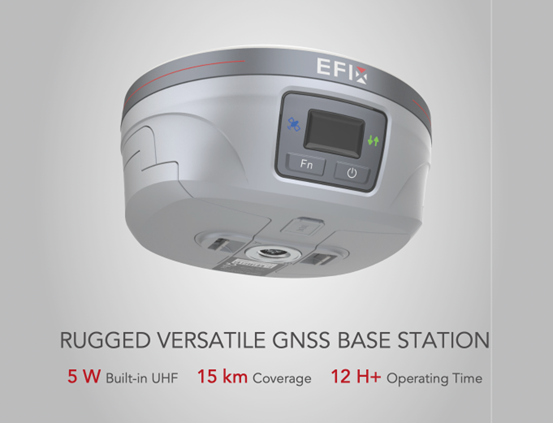
The eBase GNSS receiver is an integrated professional GNSS base station designed for surveyors working in UHF base-rover mode. Its integrated UHF radio, low power consumption, and long operating time reduce the need for heavy external batteries, bulky cables, separate radios, and external radio antennas. This type of integrated design can be practical for field teams that need wide coverage and long working periods.
Choosing the Right RTK Setup
The suitable correction method depends on the project. Network RTK may suit urban surveying and areas with reliable mobile coverage. A UHF base-rover system may be more suitable for remote sites or projects where teams want direct control over the correction link. Distance, terrain, communication availability, setup time, and power requirements should all be considered.
An RTK GNSS receiver should therefore be selected as part of a complete positioning system. The correction source, communication method, and field environment all affect practical performance. For mobile survey teams, an integrated base station can also reduce equipment complexity and make transportation easier.
Conclusion
RTK does not always require a physical base station at the work site. Network-based correction services can provide RTK positioning through cellular connectivity, while local UHF base-rover systems remain useful in areas where independent correction transmission is preferred. An RTK GNSS receiver can work with different correction methods, so the right choice depends on the project and environment. At EFIX, we focus on practical GNSS technologies that help professionals select suitable positioning solutions for different field workflows.