Choosing surveying equipment is not only about looking at positioning accuracy on a specification sheet. Field conditions, correction methods, communication range, battery life, and ease of operation can all affect the actual results of a project. A GNSS receiver for surveying should match the way surveyors work and the environments they regularly visit. At EFIX, we focus on practical positioning solutions that consider these real-world requirements, helping survey teams evaluate equipment from a broader perspective.

Accuracy and Correction Support
Accuracy is naturally one of the first factors to consider. Surveyors should check whether the receiver supports the GNSS constellations and correction services required for their projects. RTK correction can provide centimetre-level positioning, but the final performance also depends on satellite visibility, correction data quality, and the communication link between the base and rover.
The working method is also important. Some projects may rely on network RTK through cellular connectivity, while others may use a UHF base-rover setup. Surveyors should consider which correction method is more practical for their typical work areas. A receiver that supports the required positioning modes can provide greater flexibility across different project types.
Communication Range and Battery Life
For UHF base-rover surveying, radio performance can have a direct effect on field operations. A short communication range may require the base station to be repositioned more often, while insufficient battery life can interrupt a working day. These factors are especially important for teams working in large or remote areas.
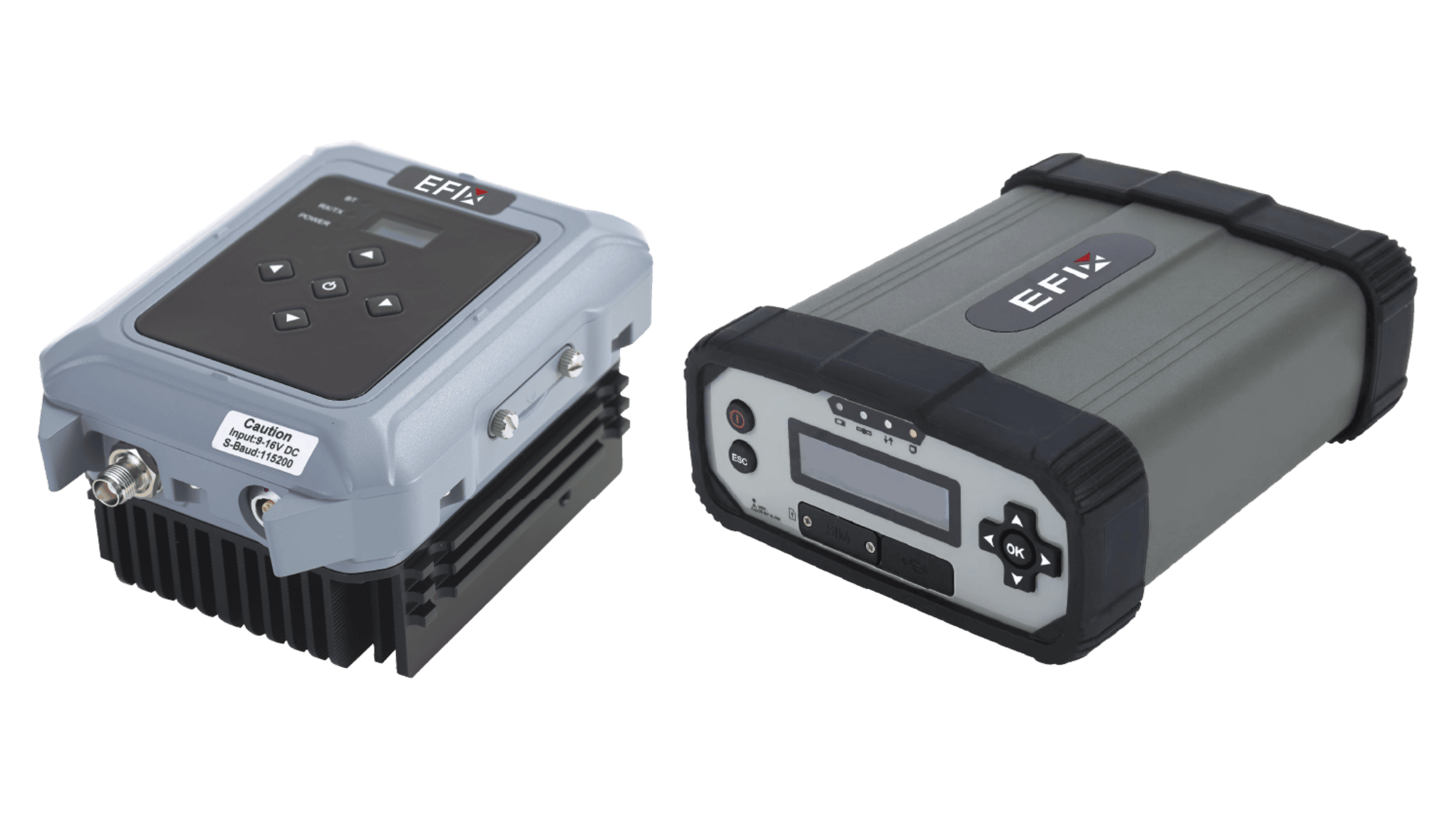
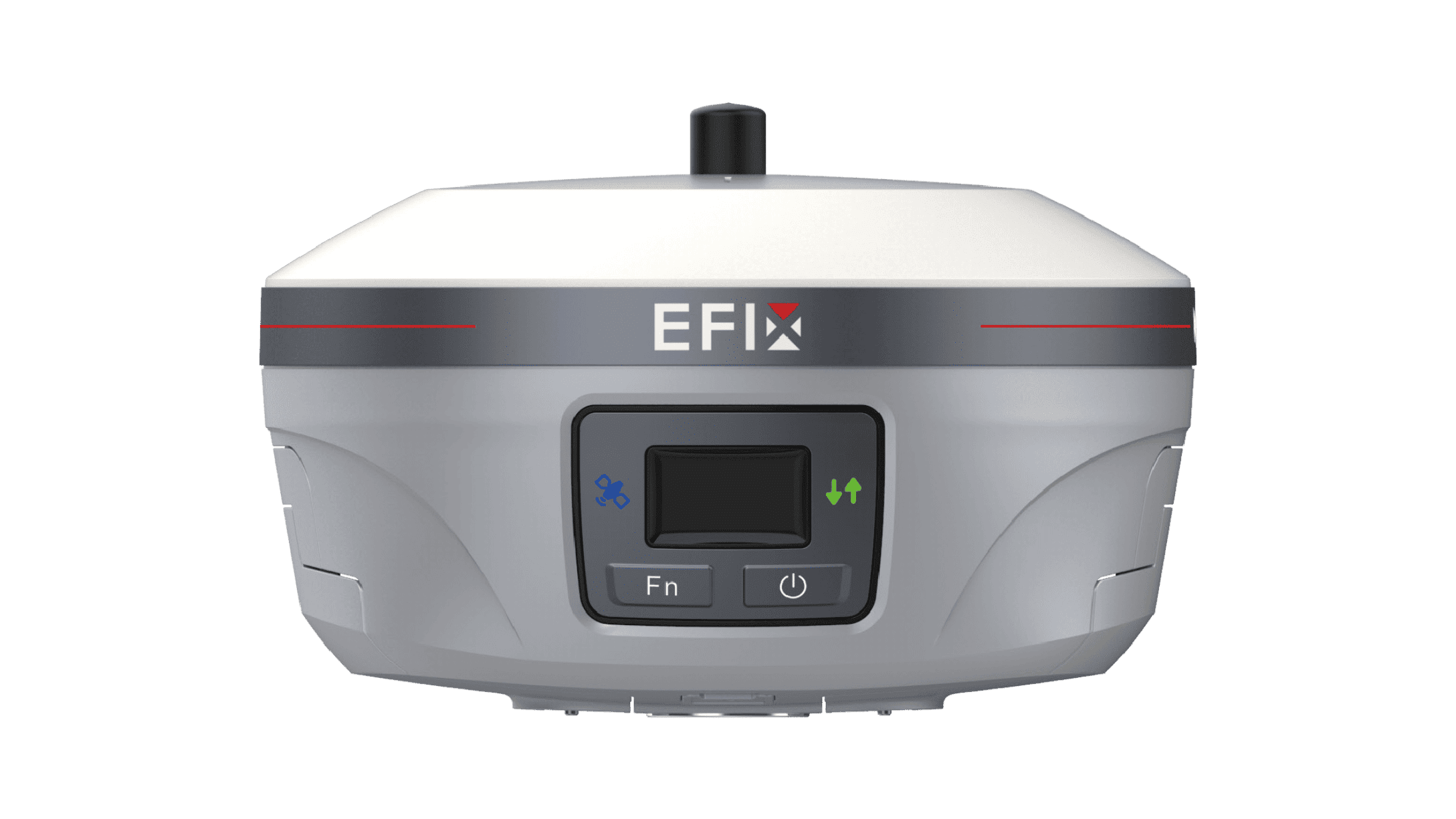
The eBase GNSS receiver provides a practical example. Its 5-watt radio module supports up to 15 km of GNSS RTK operating range and more than 12 hours of battery life without changing batteries. It also features real-time UHF interference self-testing, allowing surveyors to identify and select a suitable frequency channel before starting work. These functions can help simplify planning for UHF base-rover operations.
Durability and Field Usability
Surveying equipment often works outdoors and may face dust, moisture, vibration, temperature changes, and long periods of use. A durable design can reduce interruptions caused by demanding site conditions. At the same time, equipment should be practical to transport, set up, and operate.
A suitable GNSS receiver for surveying should therefore be evaluated as part of the complete field workflow. Survey teams can consider equipment weight, battery management, radio configuration, interference handling, and the time required for setup. These details may seem small, but they can have a meaningful impact across repeated projects and long working days.
Conclusion
The right surveying receiver should balance positioning capability with communication performance, battery life, durability, and practical operation. Surveyors should first identify their correction method and working environment, then compare equipment based on those needs. A GNSS receiver for surveying that combines suitable accuracy with reliable field communication can support a smoother workflow. At EFIX, we focus on developing practical GNSS solutions that help survey professionals handle demanding positioning tasks with greater flexibility.