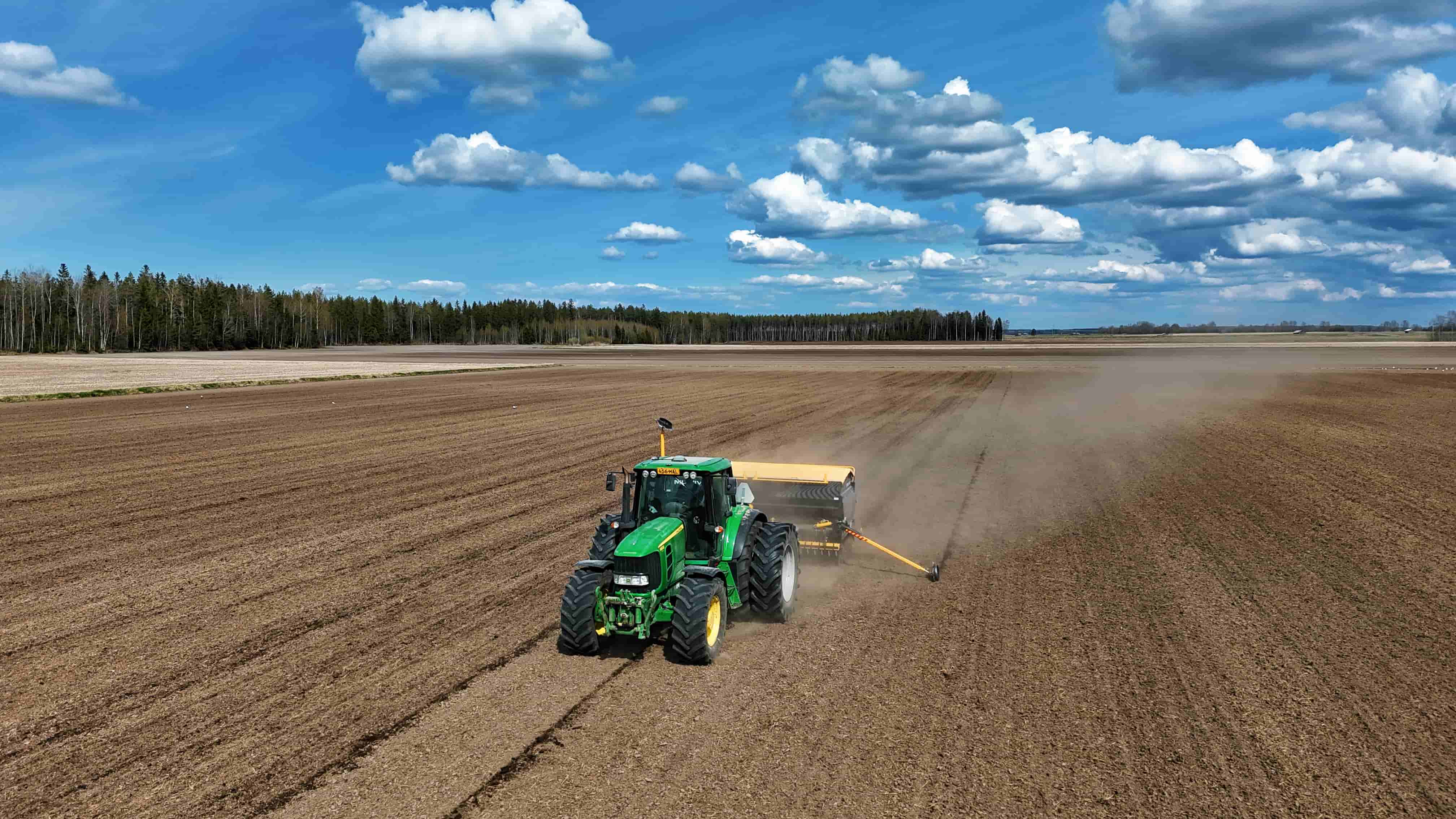
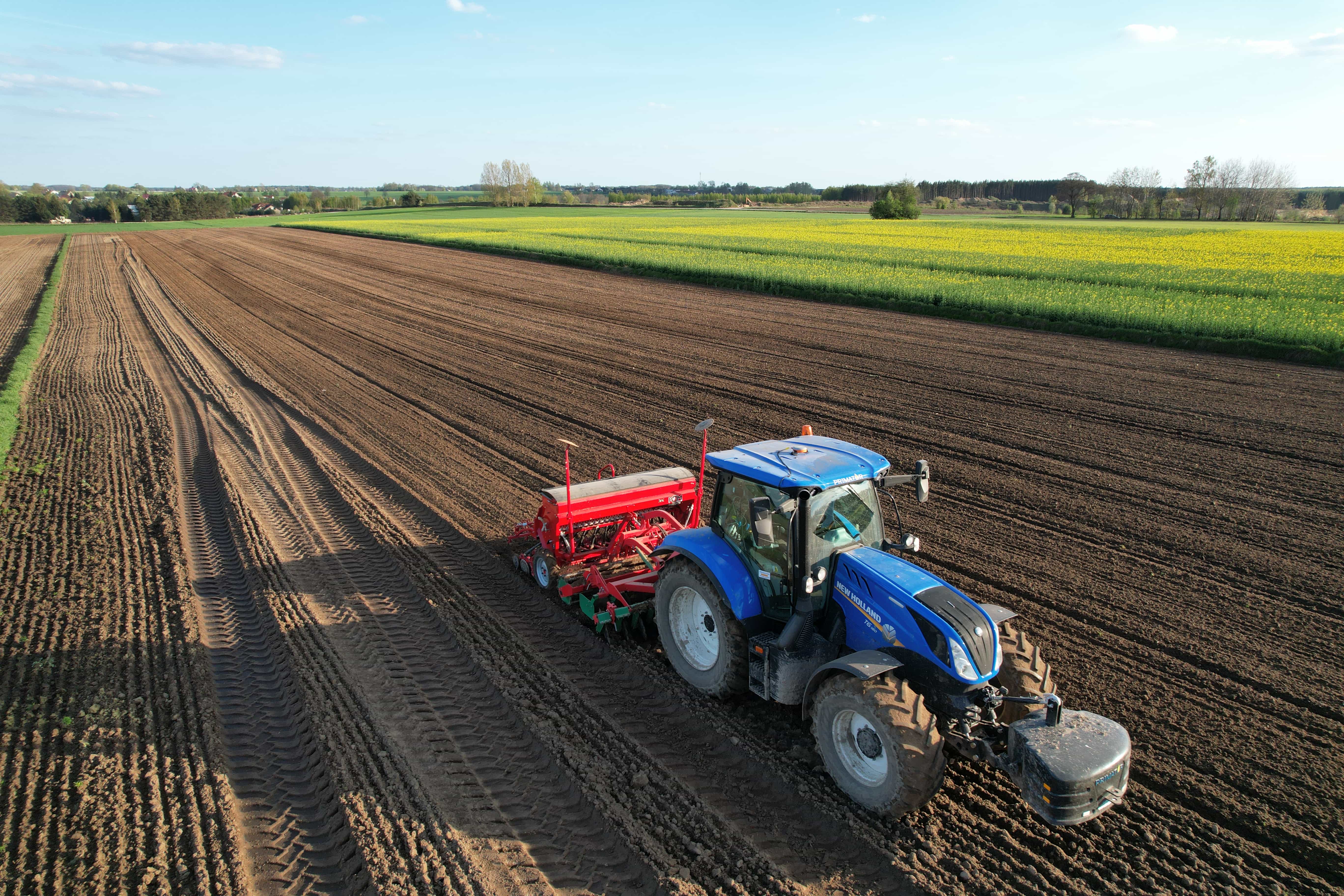
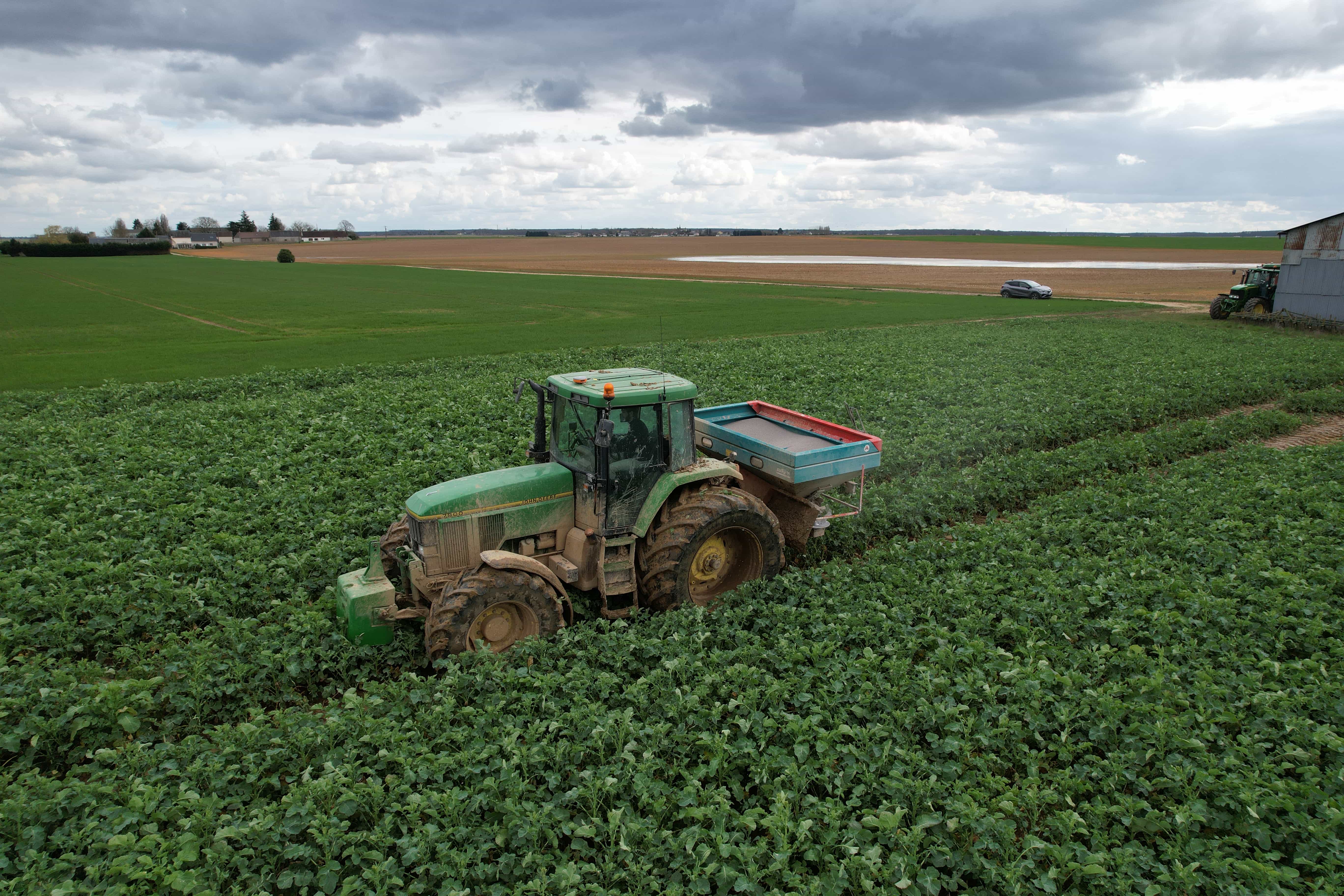
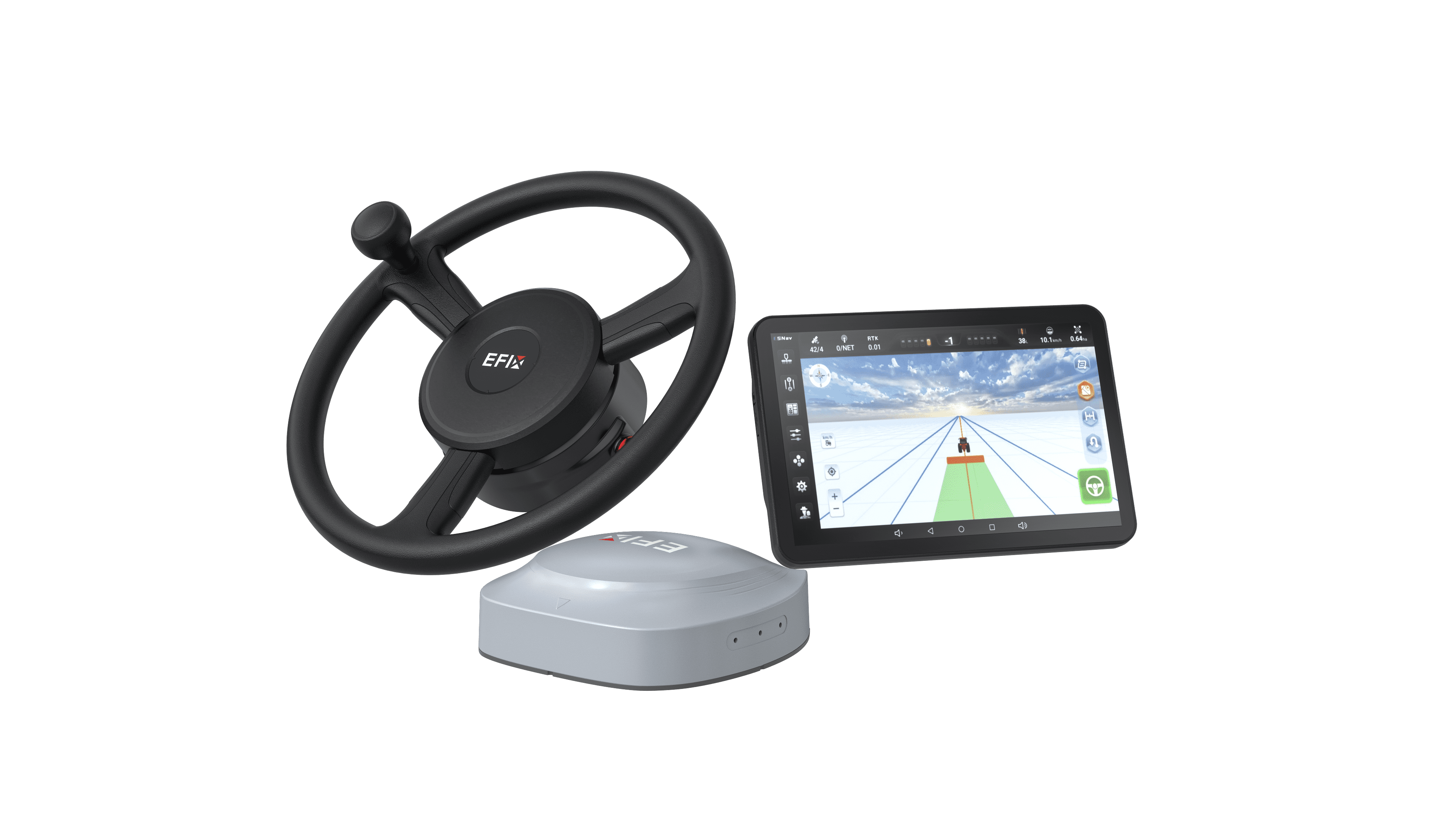
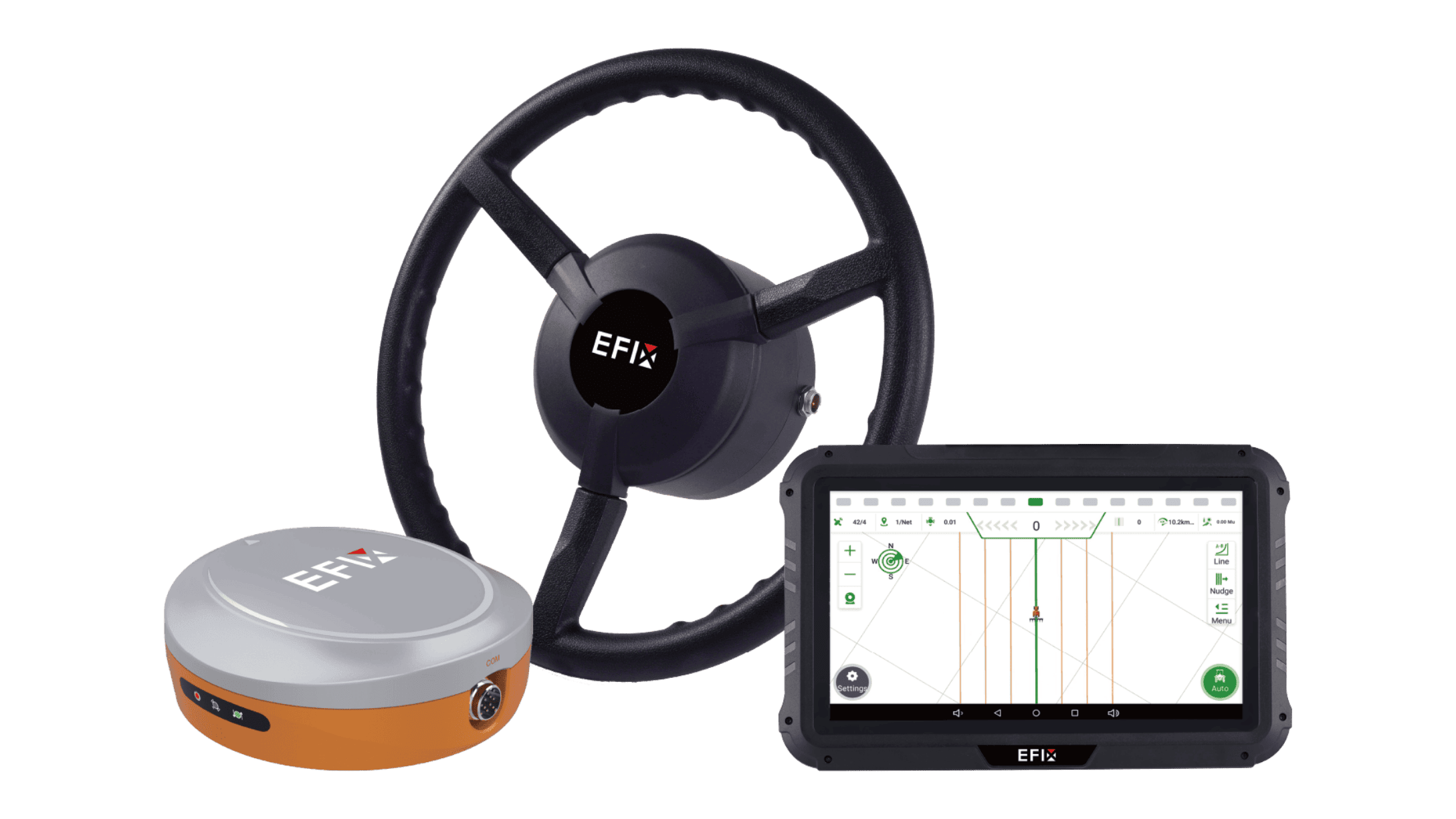
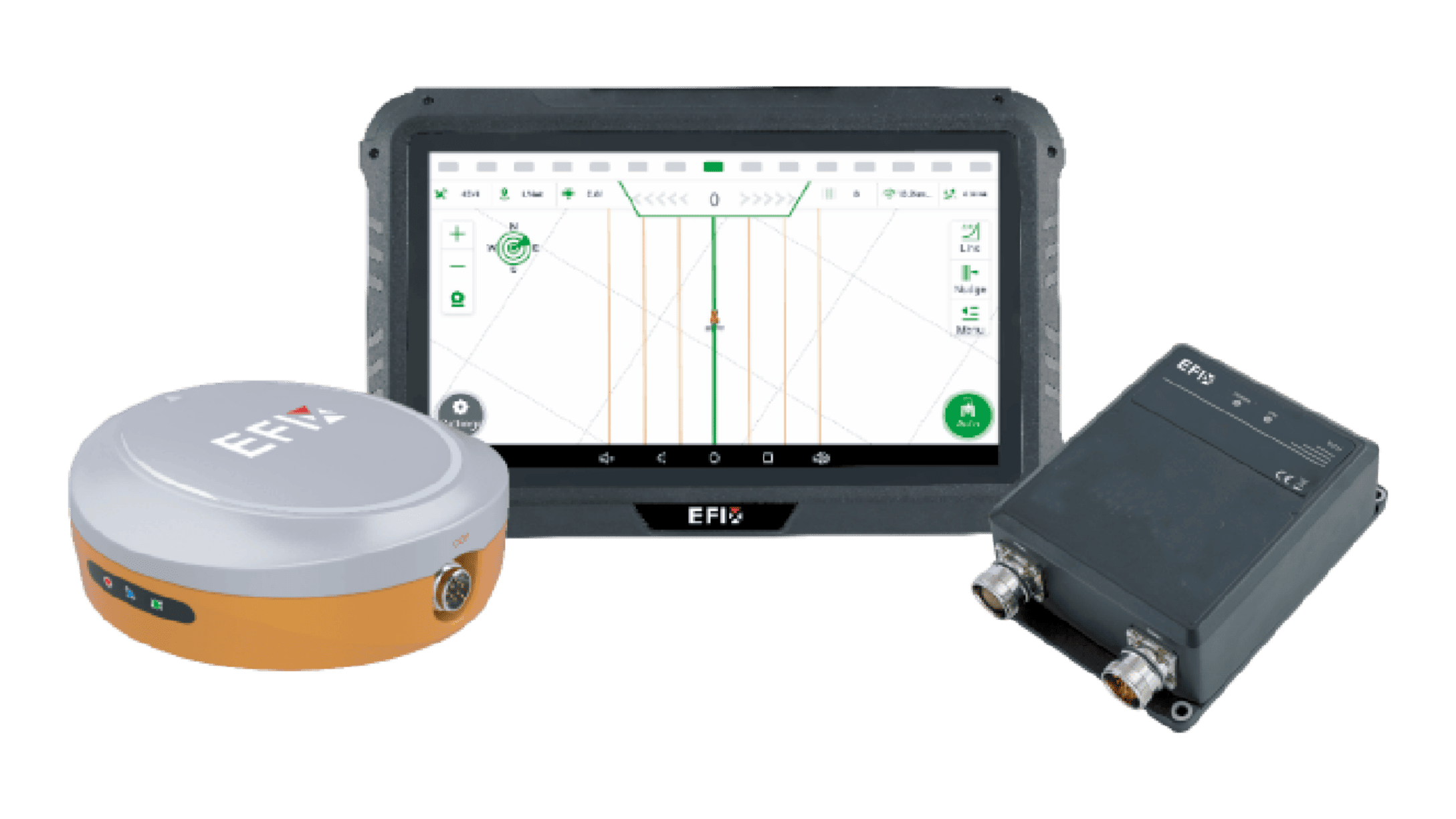
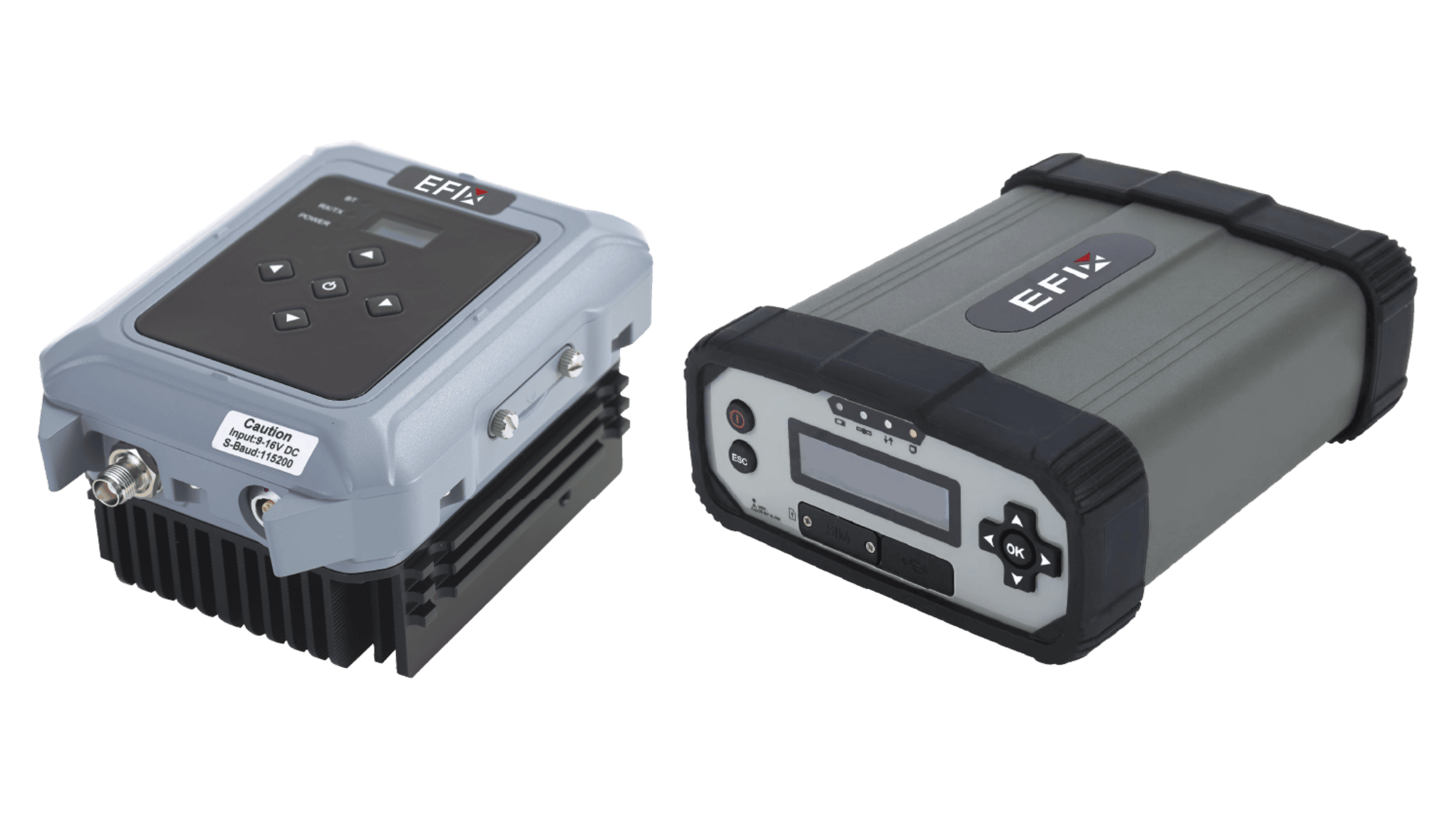
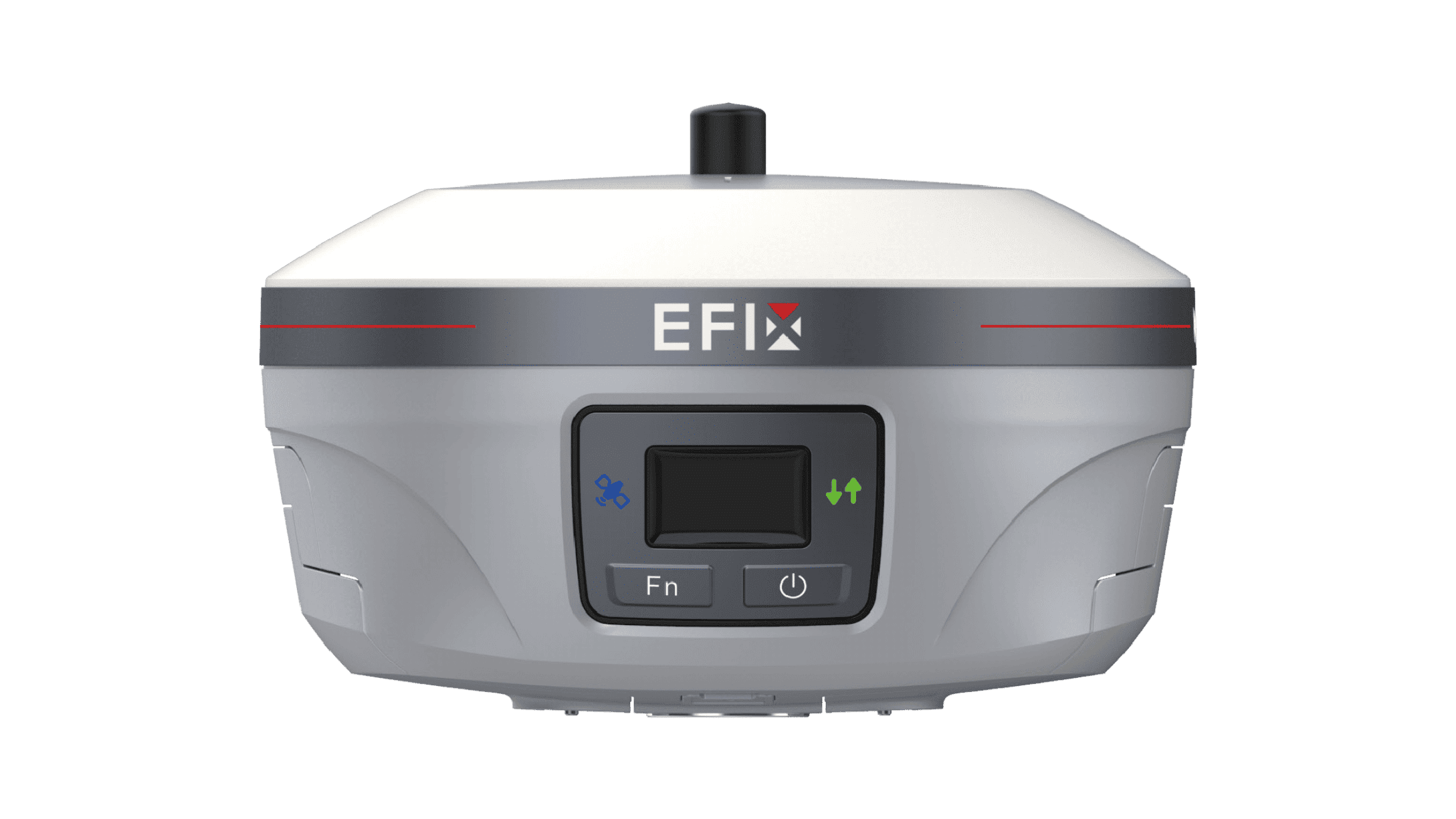
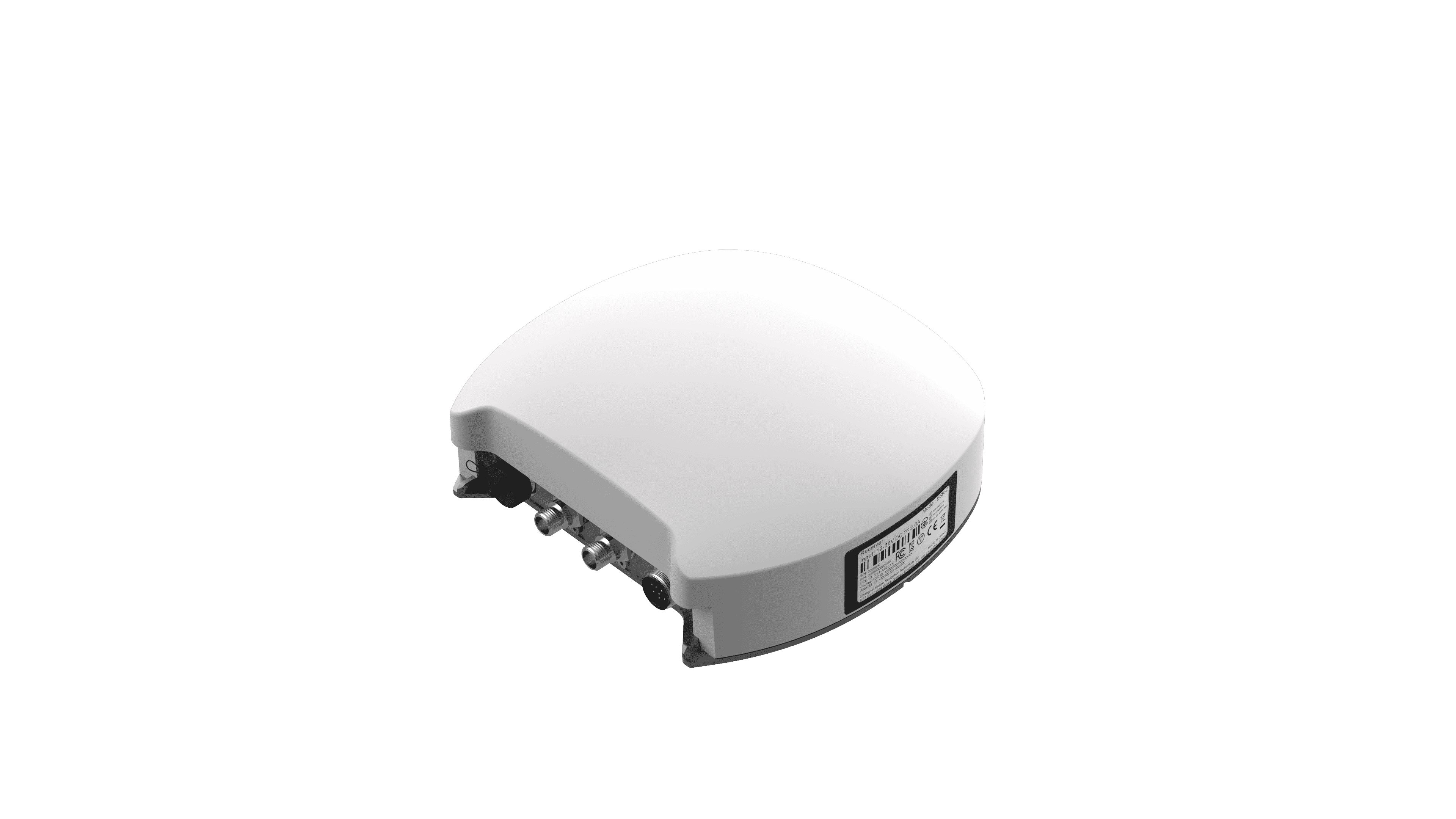
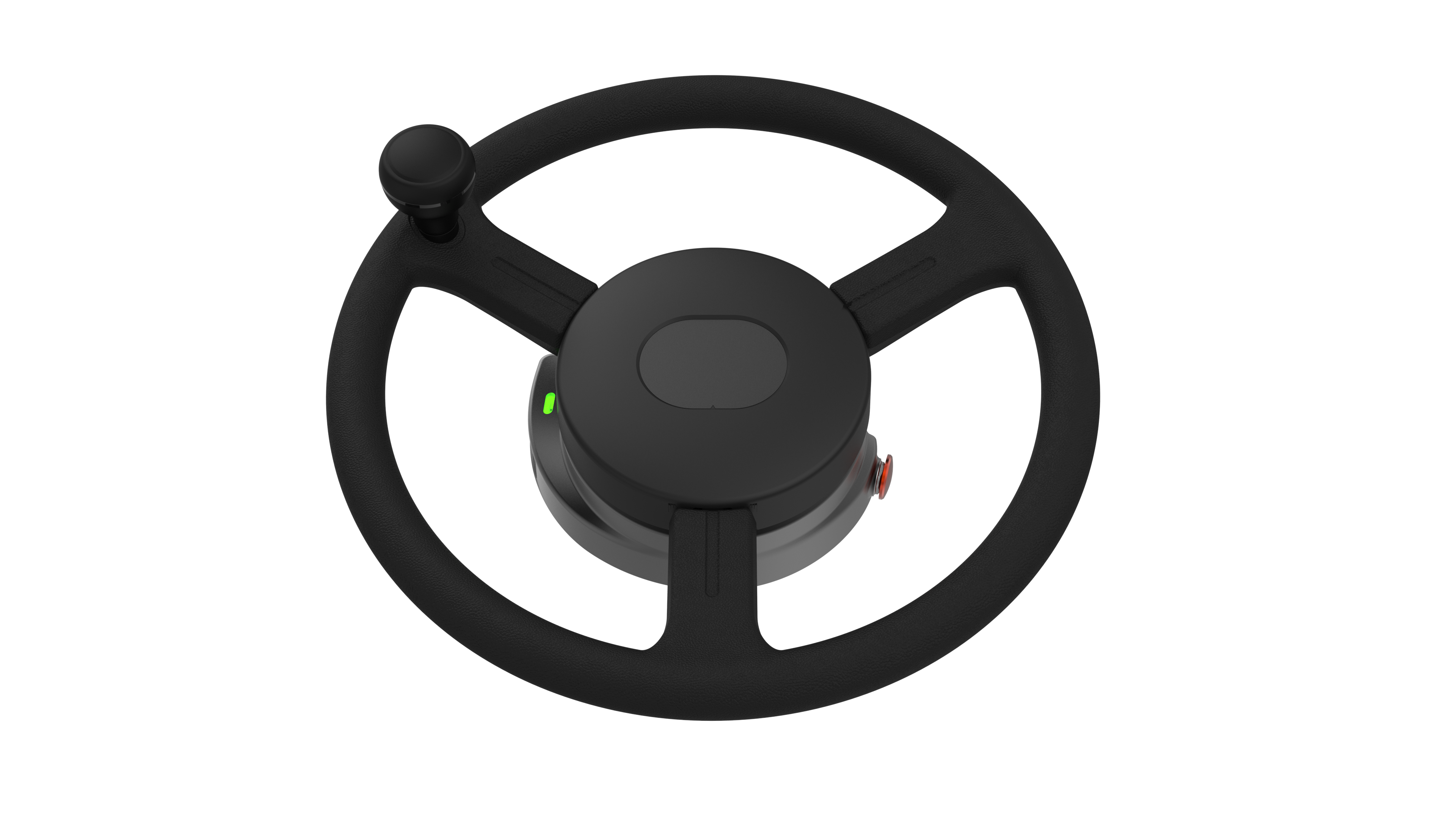
A well-configured steering system can make a major difference during busy planting and application periods. Accurate tractor guidance helps operators follow repeatable paths, reduce unnecessary overlap, and make better use of available field time. A GNSS auto steer system combines satellite positioning, correction data, and automated steering control to guide a tractor along planned paths. At EFIX, we focus on practical agricultural solutions that help farmers improve operational efficiency, manage input costs, and make better use of critical planting windows.
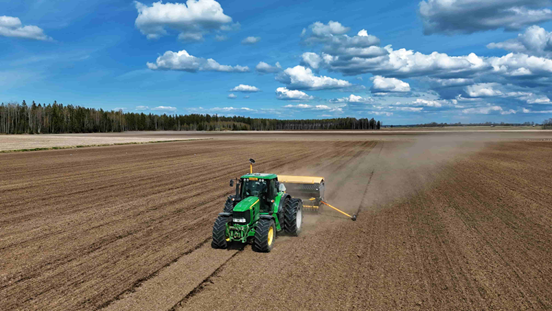
Prepare the Tractor and Positioning Equipment
The first step is to check whether the tractor is suitable for automated steering. Operators should review the steering interface, power supply, GNSS antenna position, and correction source before installation. The antenna should be mounted in a stable location with a clear view of the sky. The receiver also needs access to a suitable correction service, such as RTK, if higher positioning accuracy is required.
The steering components should then be installed according to the tractor configuration. After connecting the system, check all cables, power connections, and communication links. A basic inspection at this stage can help prevent problems during field operations.
Configure Guidance and Calibrate the System
Once the hardware is installed, calibration is an important part of the setup. The system needs to understand key tractor parameters, including antenna position, wheelbase, and steering response. Correct calibration helps the tractor respond properly to guidance commands and follow planned lines more consistently.
The operator can then create an AB line, A+ line, or another suitable guidance pattern based on the field layout. A GNSS auto steer system should be tested at a low speed first. Operators can observe whether the tractor follows the guidance line smoothly and adjust steering sensitivity or other settings if needed.
Test Performance Before Critical Farm Operations
A short field test is useful before starting major planting, spraying, or fertilizing work. Operators should check pass-to-pass accuracy, steering response, and performance at different speeds. Field conditions can also affect results, so it is useful to test the system on slopes, uneven ground, or areas with different soil conditions.
The benefits extend beyond steering accuracy. Better guidance can reduce overlap during applications, save inputs, and help farmers make better use of short planting windows. With the right setup, the system can support more efficient operations, cost savings through better application control, and improved yield potential through more consistent field management.
Conclusion
Setting up automated tractor steering involves more than installing hardware. Antenna placement, correction services, vehicle parameters, calibration, guidance lines, and field testing all contribute to practical performance. A GNSS auto steer system that is correctly configured can help farmers improve efficiency, manage application costs, and support more consistent field operations. At EFIX, we focus on comprehensive agricultural positioning solutions that help farmers make better use of precision technology throughout the farming season.