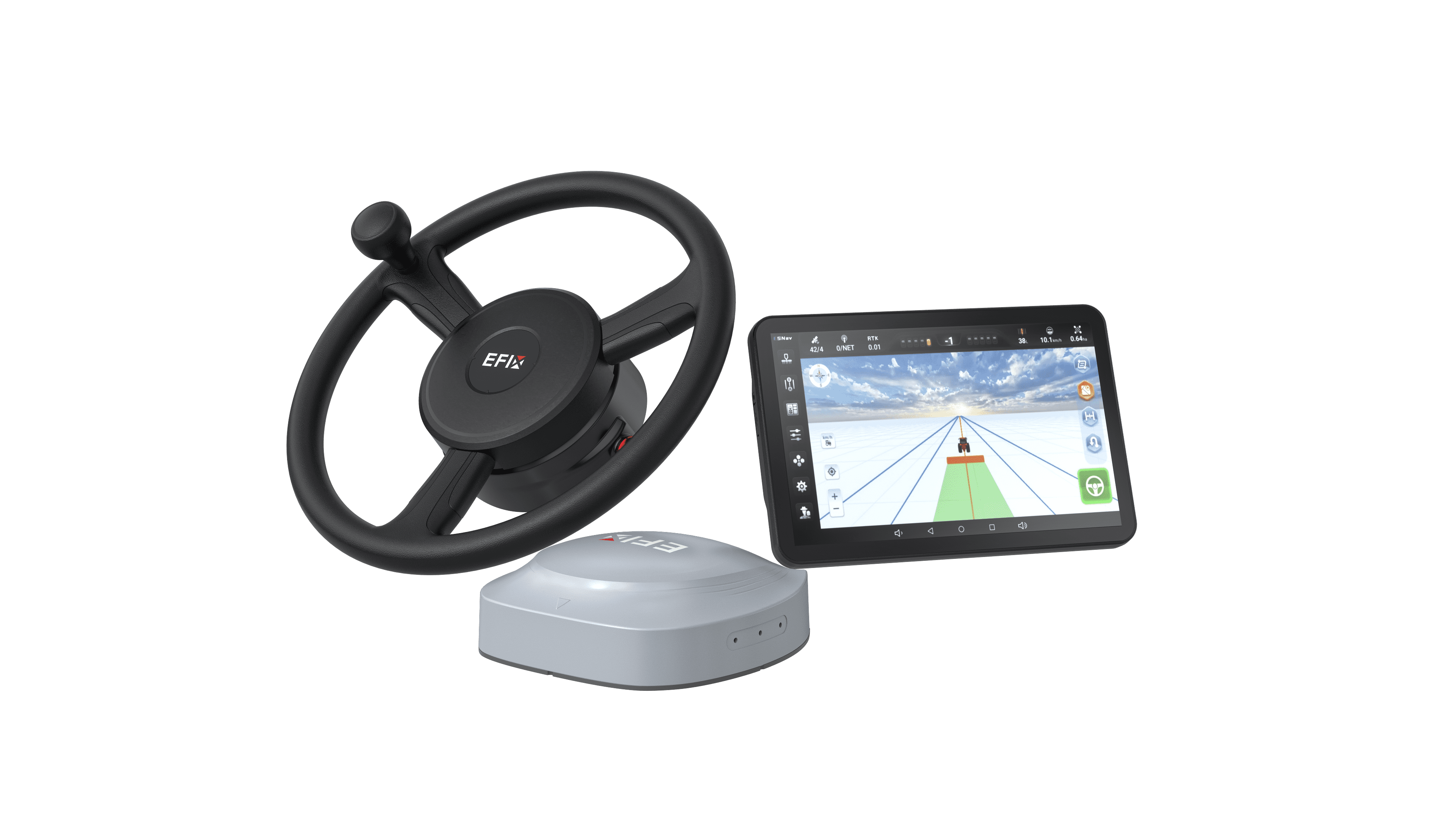
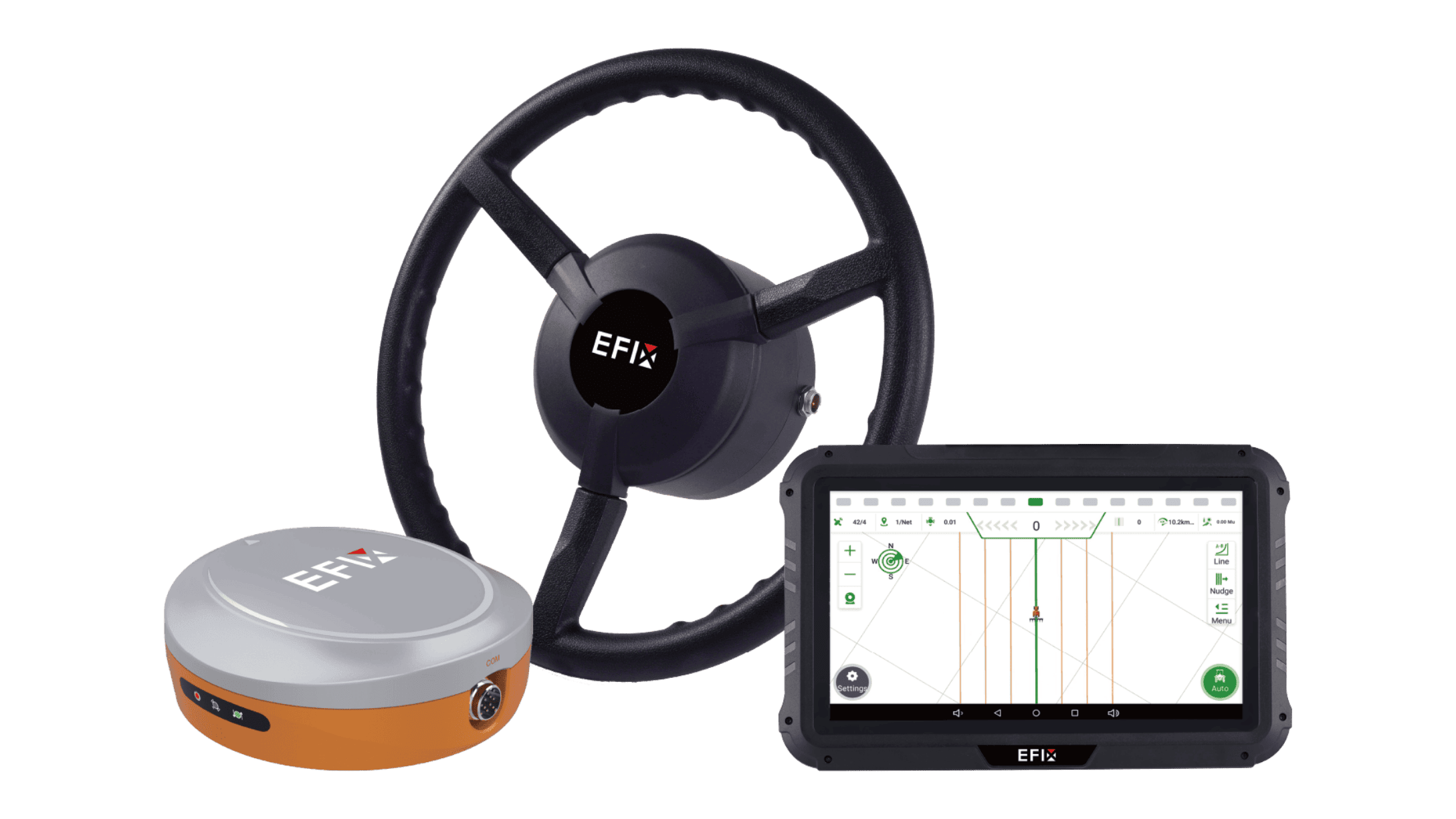
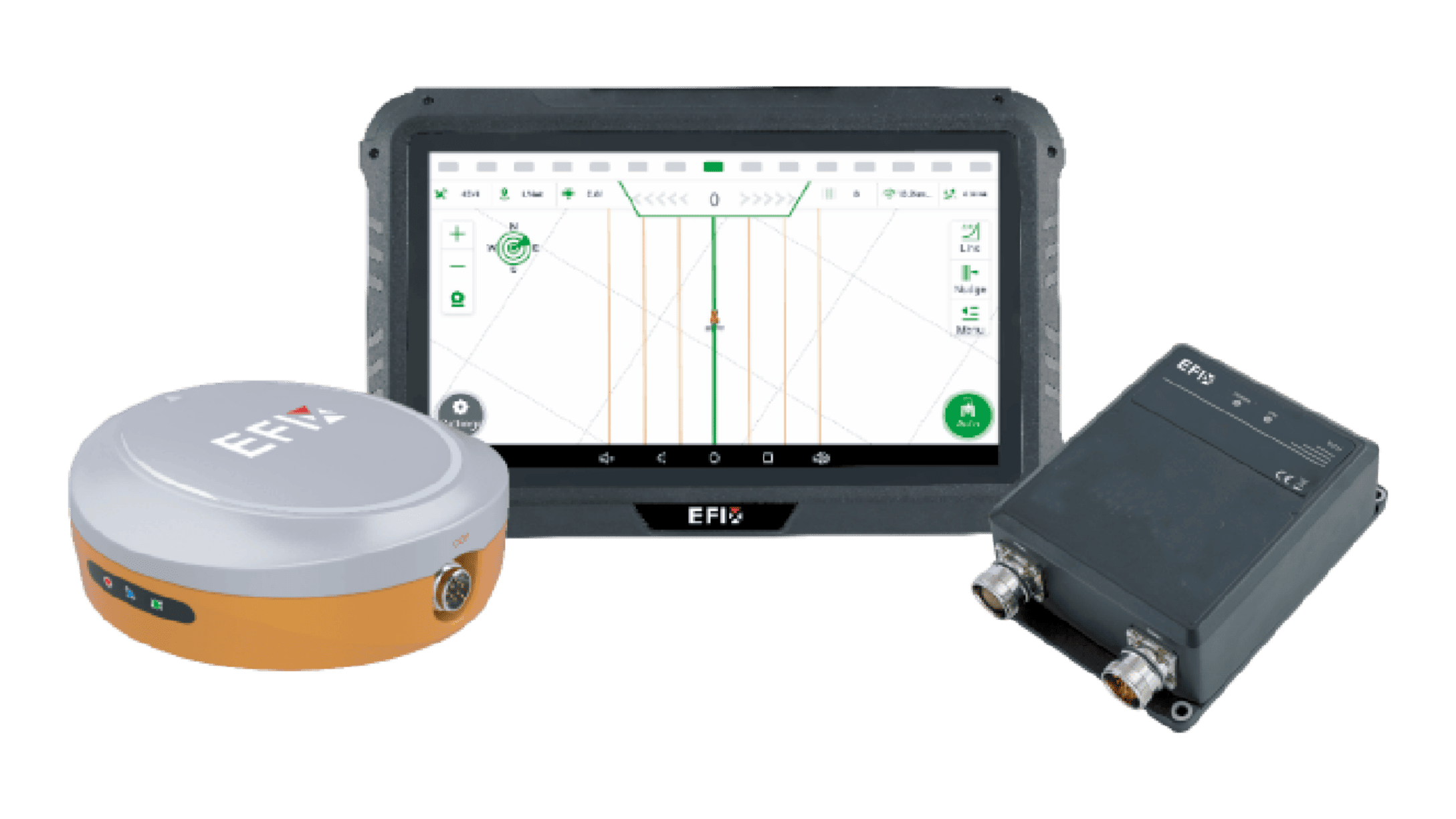
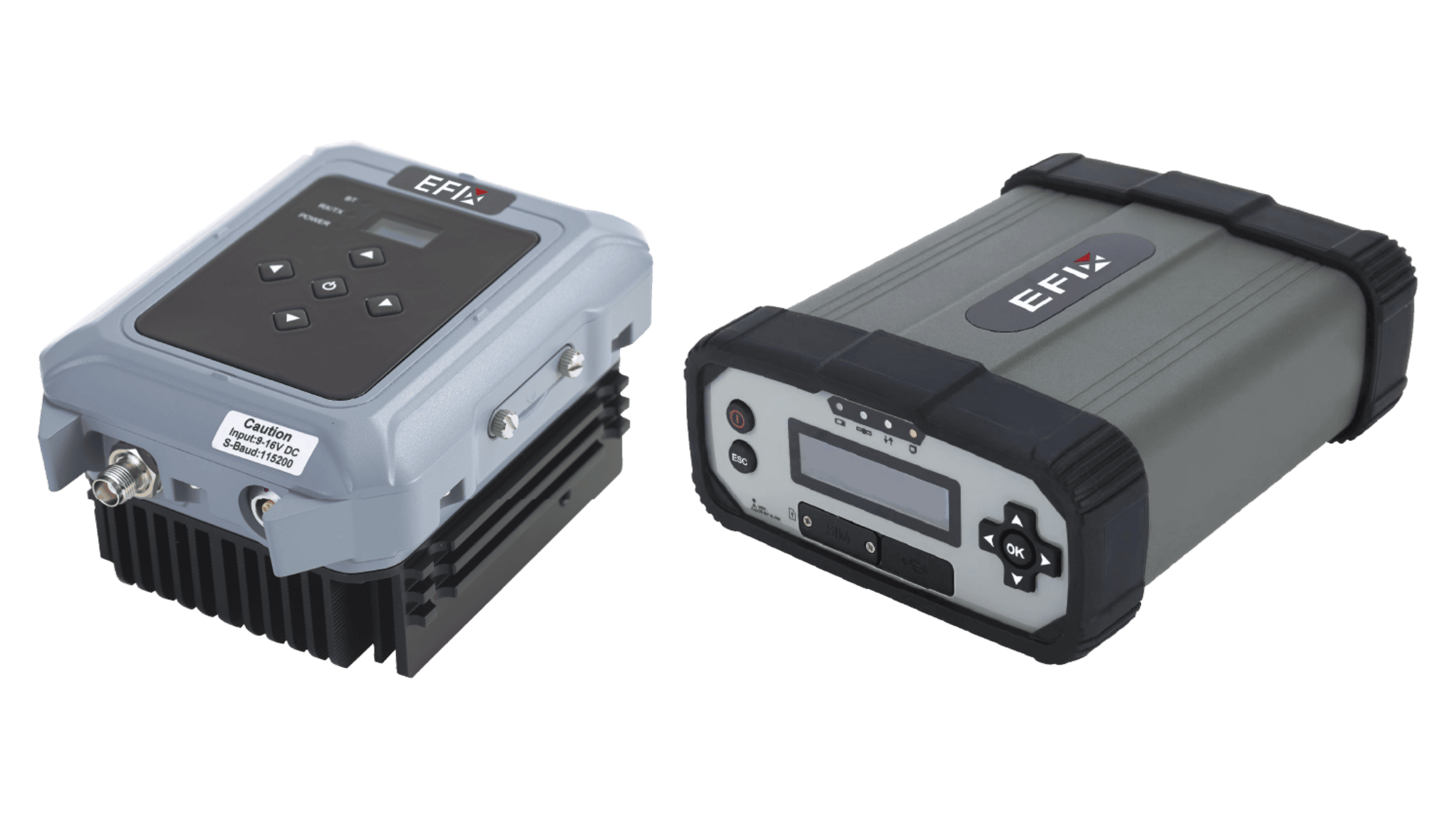
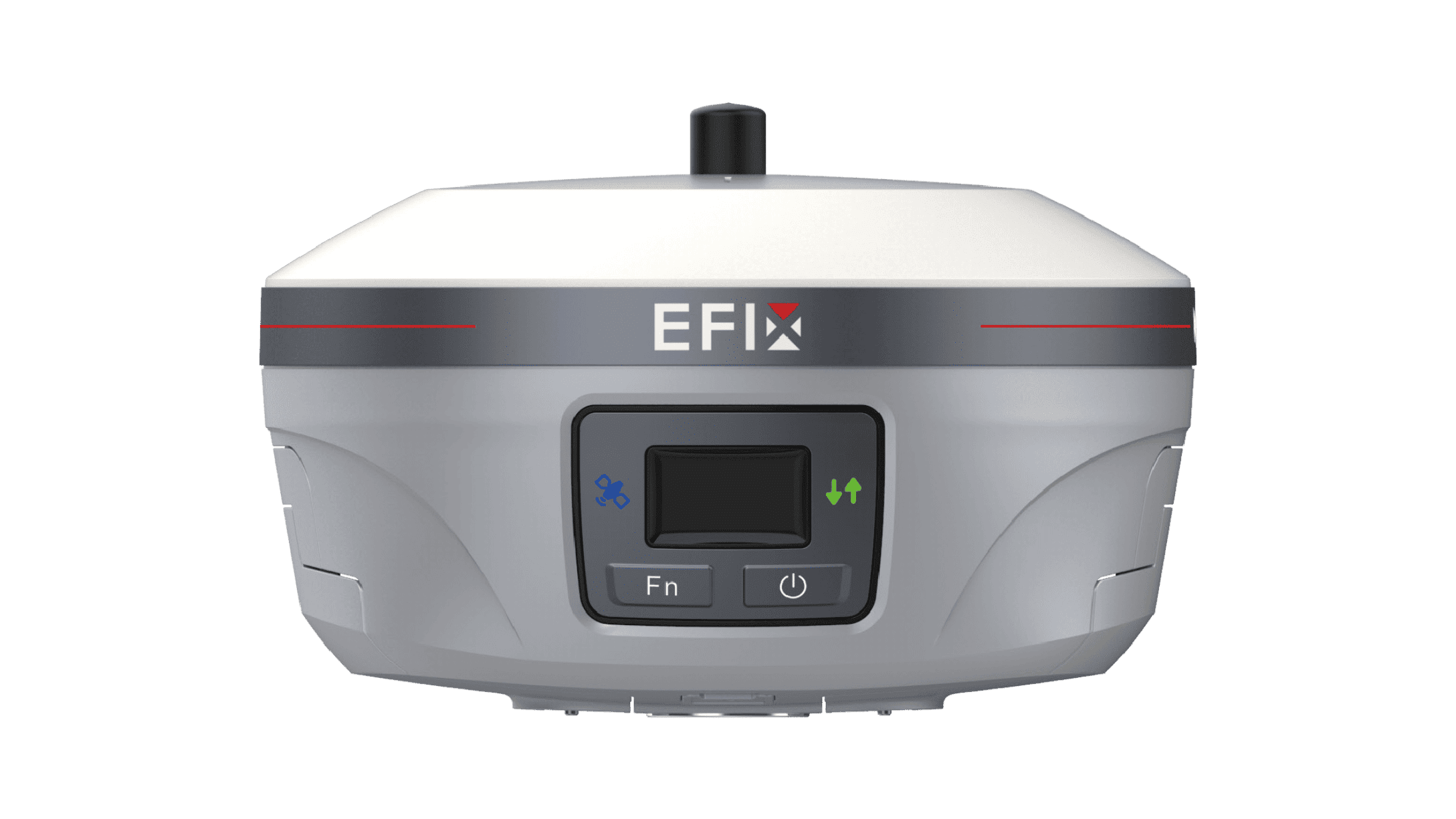
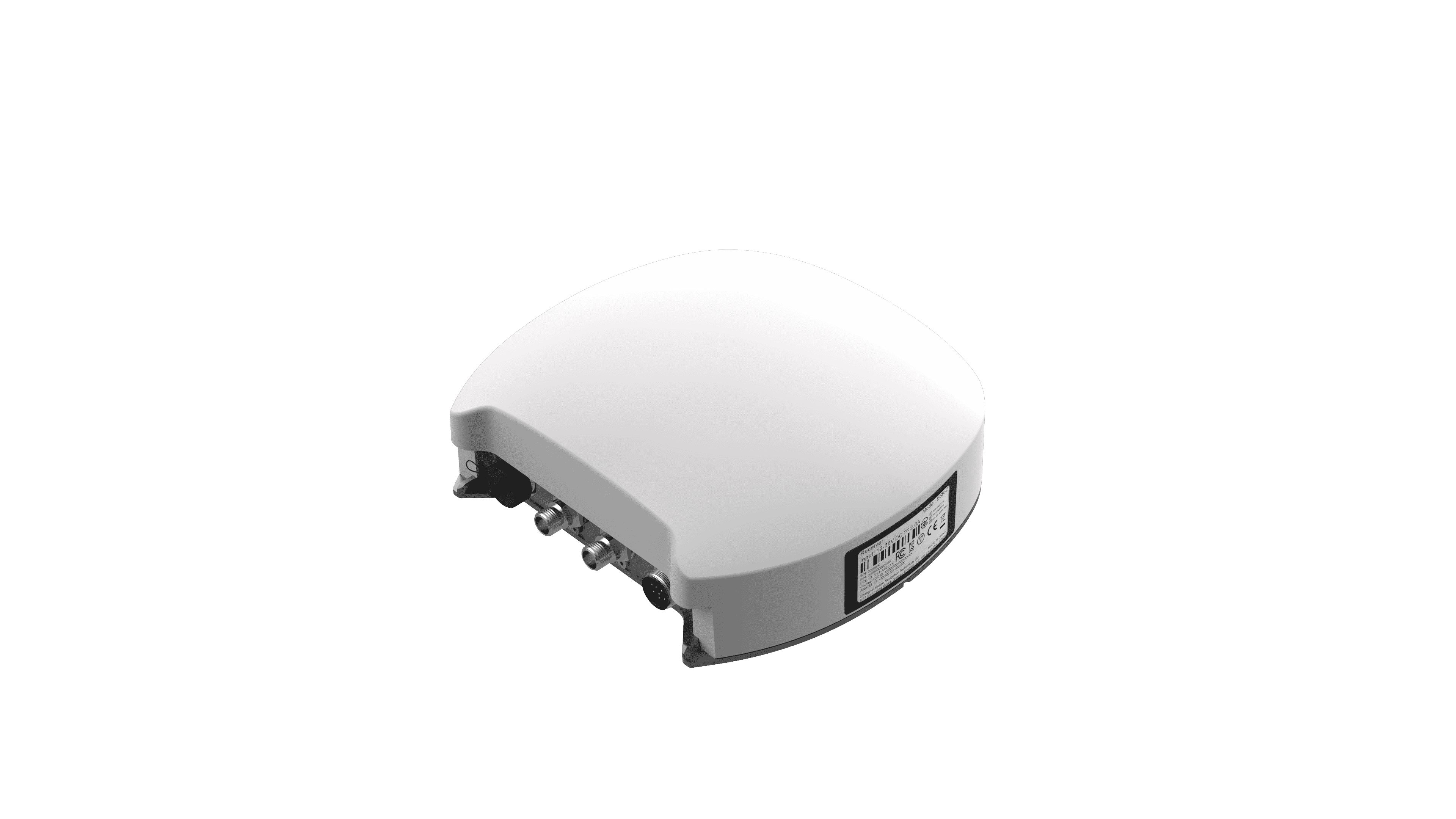
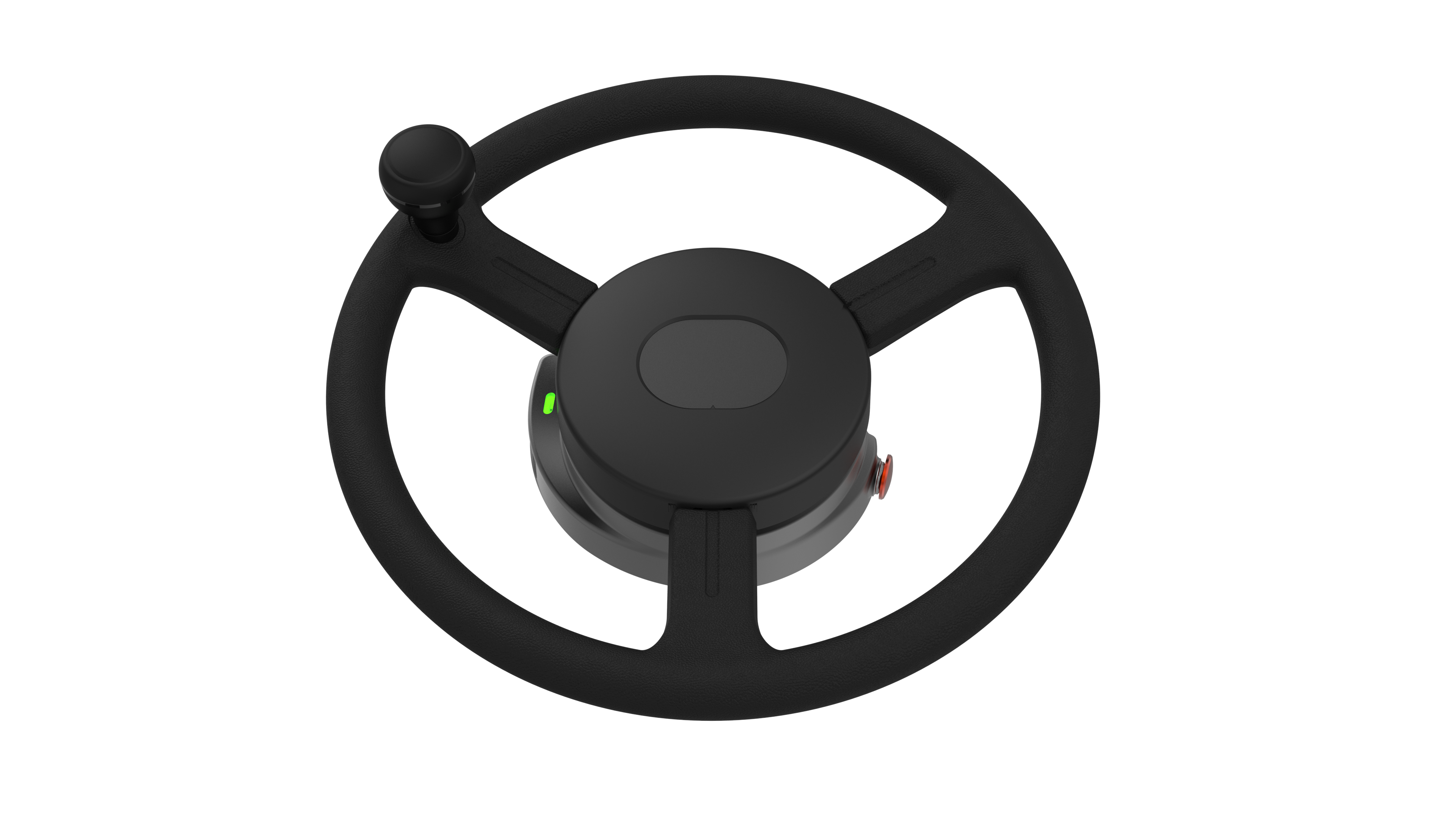
Modern farming requires more than powerful machinery. Farmers also need accurate positioning, consistent passes, and better use of time and inputs. An RTK auto steer system can support these goals by helping tractors follow planned routes with high positioning accuracy. At EFIX, we see automated steering as part of a wider precision farming workflow, where guidance, implement control, and field data work together to improve daily operations.
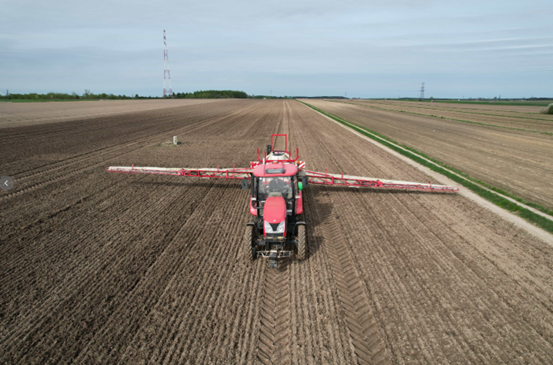
Smarter Field Navigation with RTK Guidance
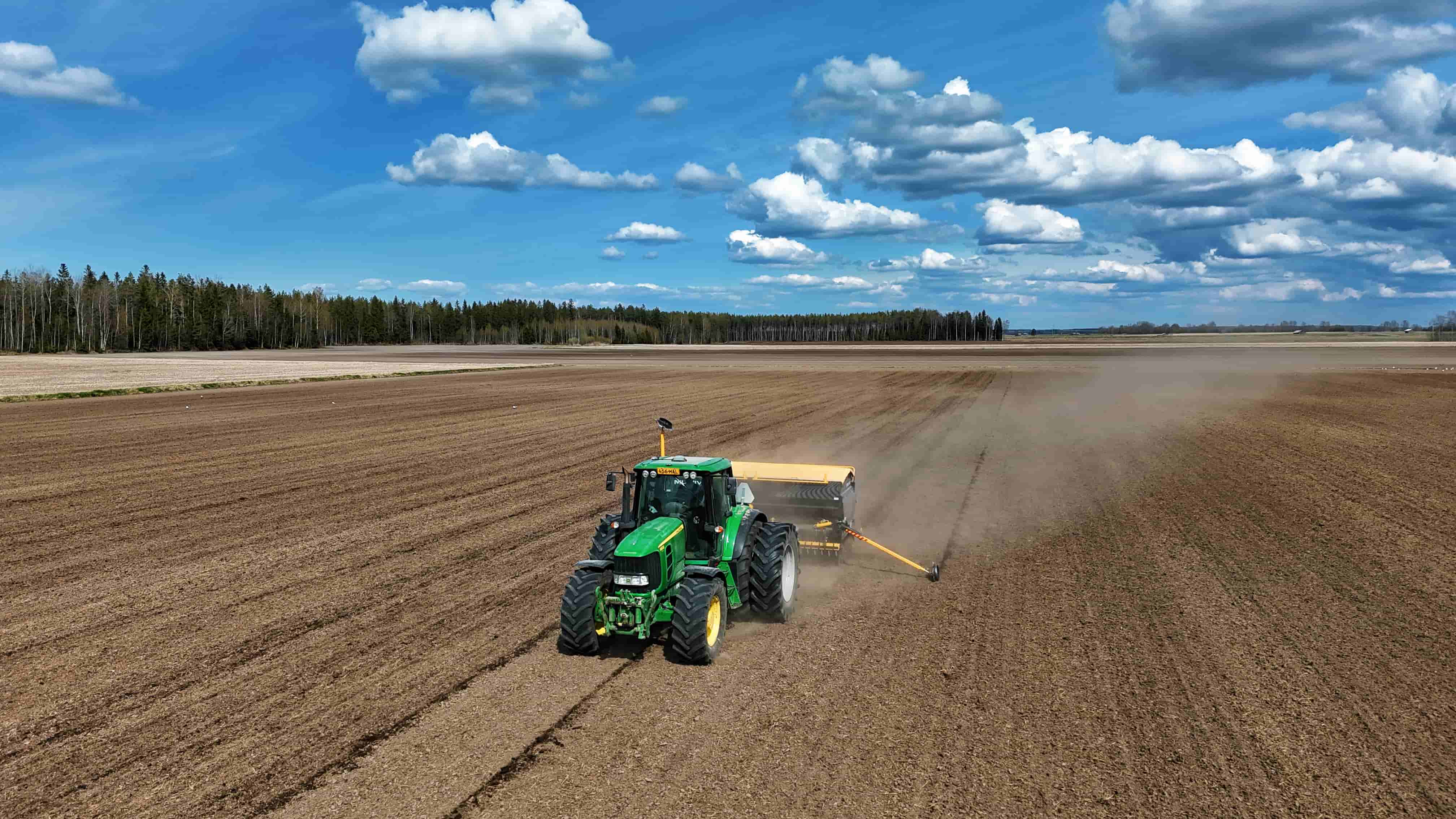
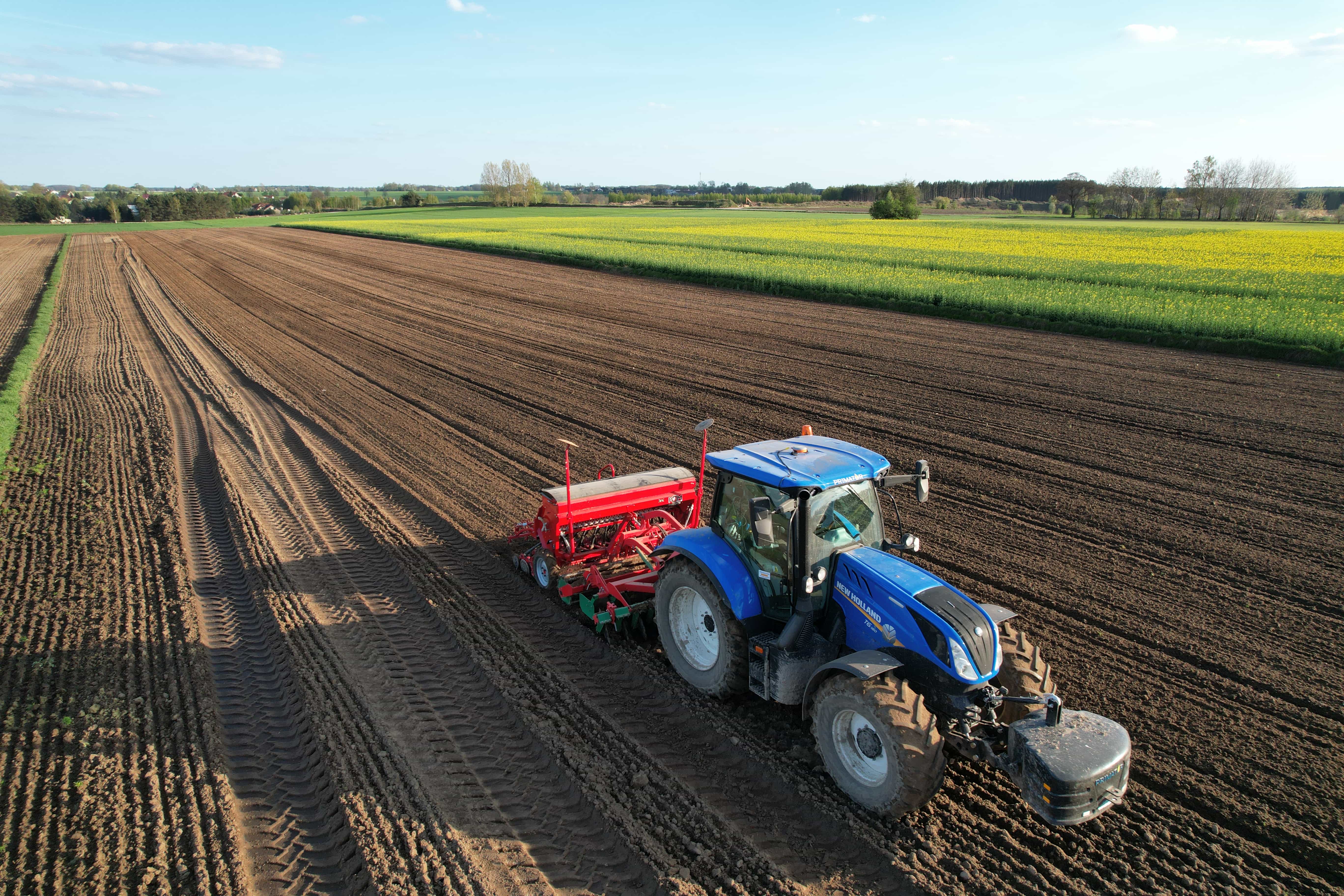
RTK technology uses correction data to improve GNSS positioning to centimetre-level accuracy. This is useful for jobs where small steering errors can create overlaps or missed areas. During planting and seeding, accurate guidance can help maintain consistent row spacing and support access paths between field areas. For repeat operations, the tractor can follow established lines instead of relying only on manual steering. This can reduce operator workload and make long working sessions easier to manage.
Better Results for Planting and Spraying
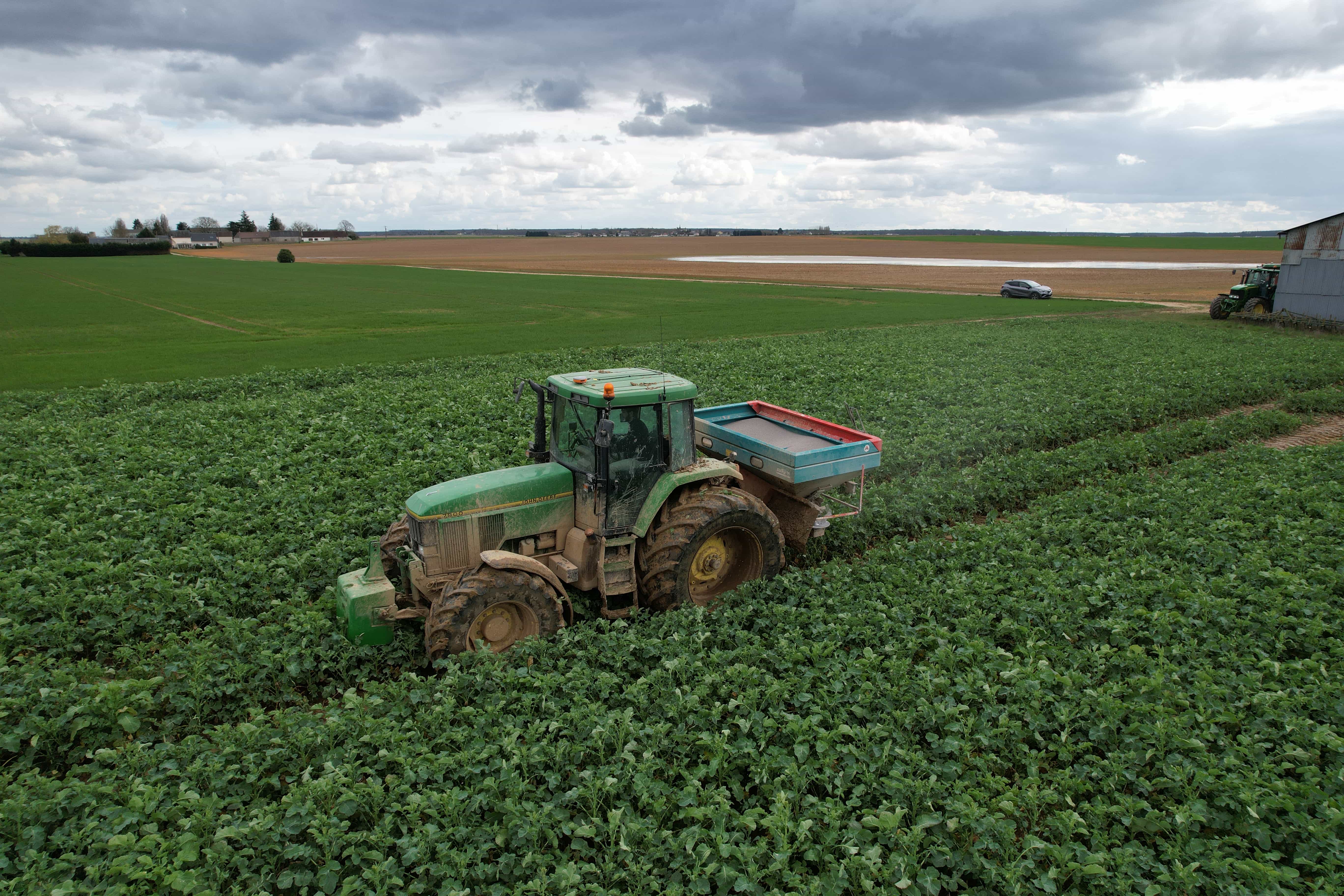
The value of automated steering becomes clearer across different applications. Planting and seeding operations can benefit from around 2.5 cm RTK accuracy, especially when maintaining precise paths is important. Spraying also requires consistent movement across the field. Modern systems can support working speeds of up to 30 km/h, while features such as tramline management can help organize repeated spray routes. By keeping passes more consistent, farmers can make better use of field space and manage inputs more carefully.
Connecting Steering with Farm Operations
An RTK auto steer system can provide more value when it works alongside implement technologies. ISOBUS Task Control, for example, allows compatible implements and terminals to exchange operational information. This creates a more connected workflow for tasks such as spraying and application control. Instead of treating steering as a separate function, farmers can combine accurate navigation with implement guidance and application management. This approach can support better field records and more consistent machine operation.
Conclusion
Precision agriculture is moving toward systems that connect positioning, steering, and implement control. Accurate RTK guidance can help farmers maintain repeatable paths, support planting and spraying work, and make long field operations easier to manage. At EFIX, we focus on solutions that connect these practical needs, helping farmers build more efficient workflows through accurate guidance and smart application technologies.