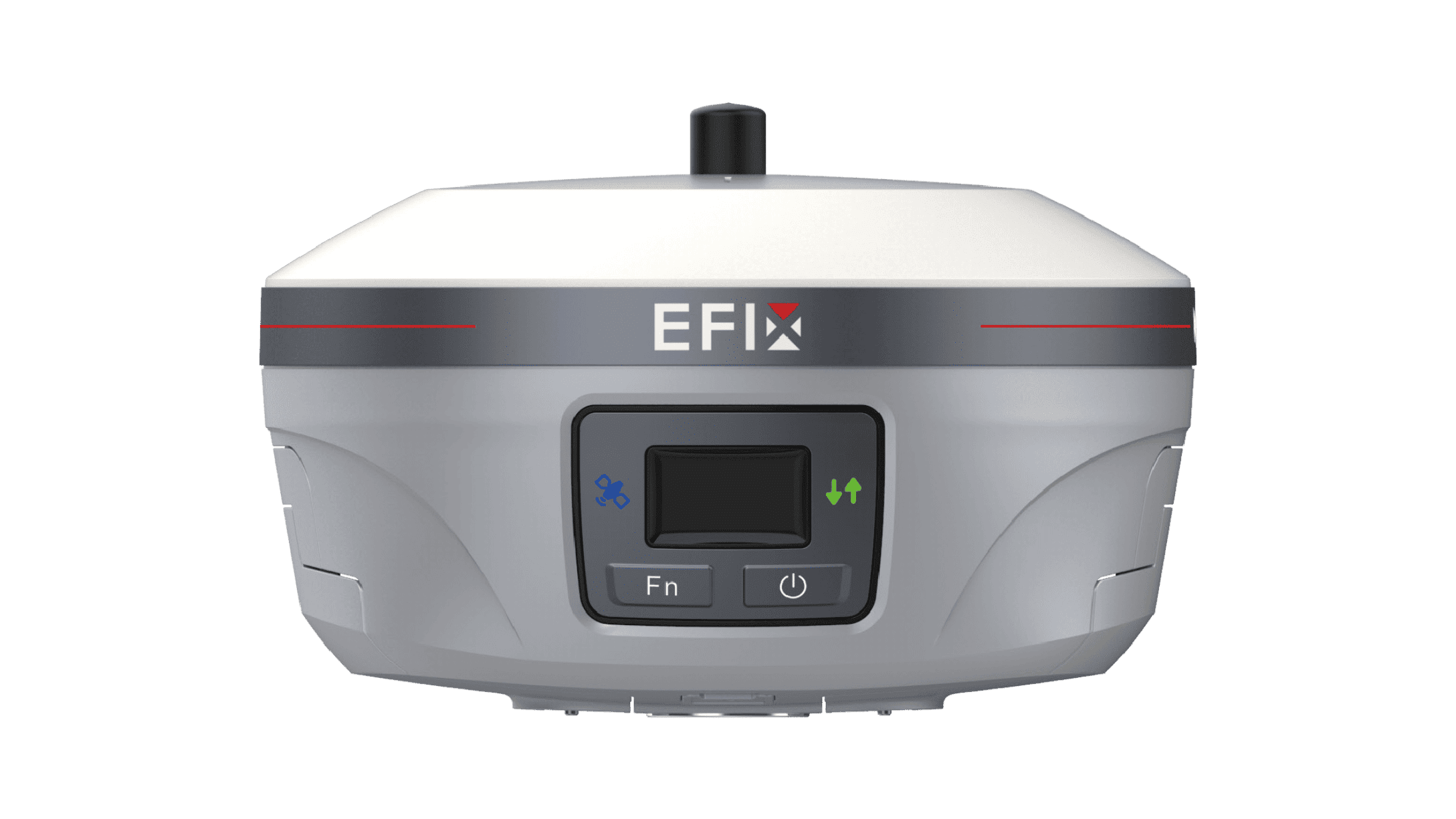
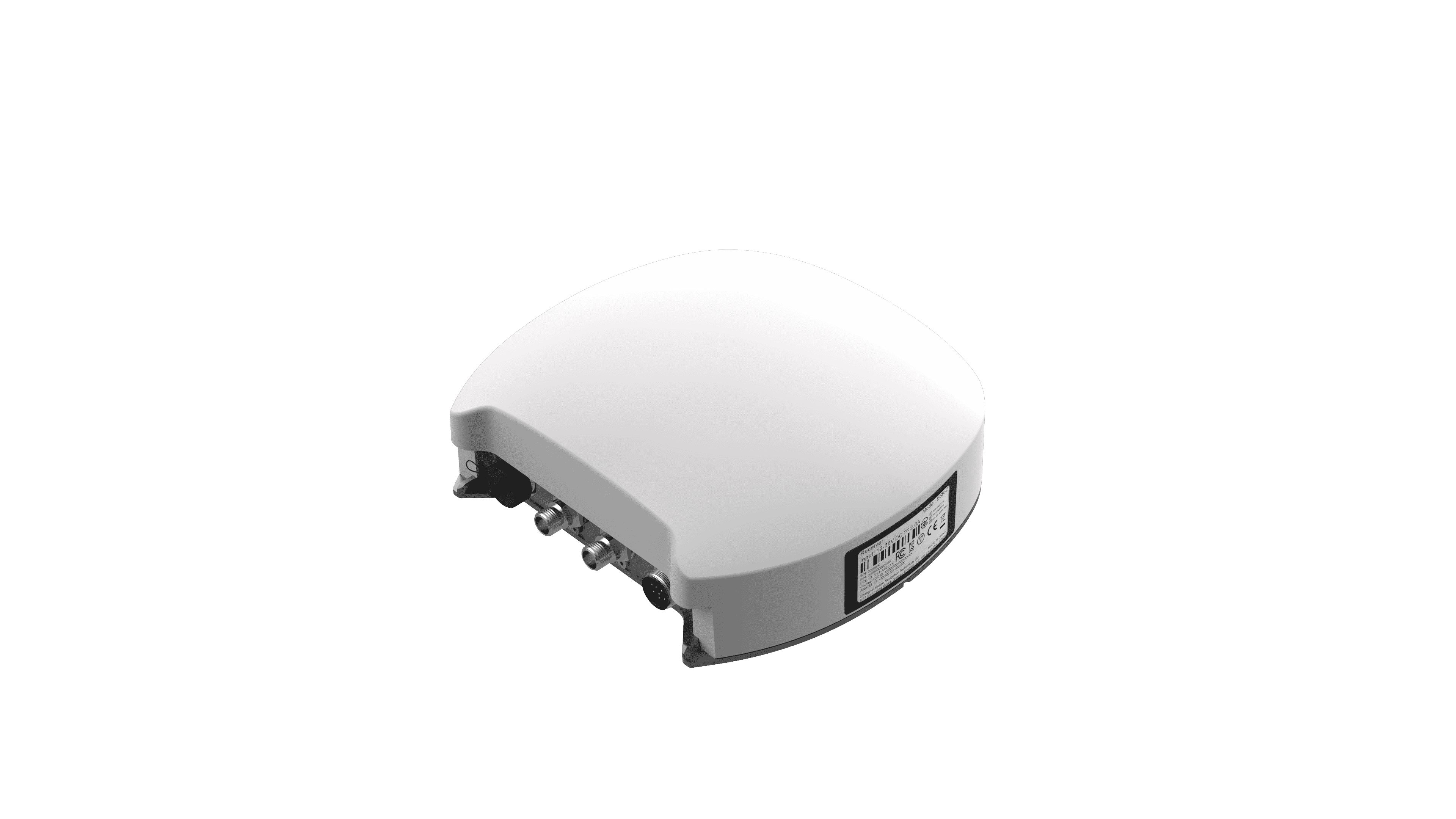
In the evolving landscape of satellite navigation, GNSS base stations play a crucial role in enhancing the accuracy and reliability of positioning data. Equipped with various protocols, such as those supported by our device, the F-NET Pro, these stations ensure effective signal distribution and minimal downtime. Understanding how GNSS base stations function with a solid grasp of accuracy metrics and coverage areas is essential for professionals relying on precision data.

The Essential Role of GNSS Base Stations
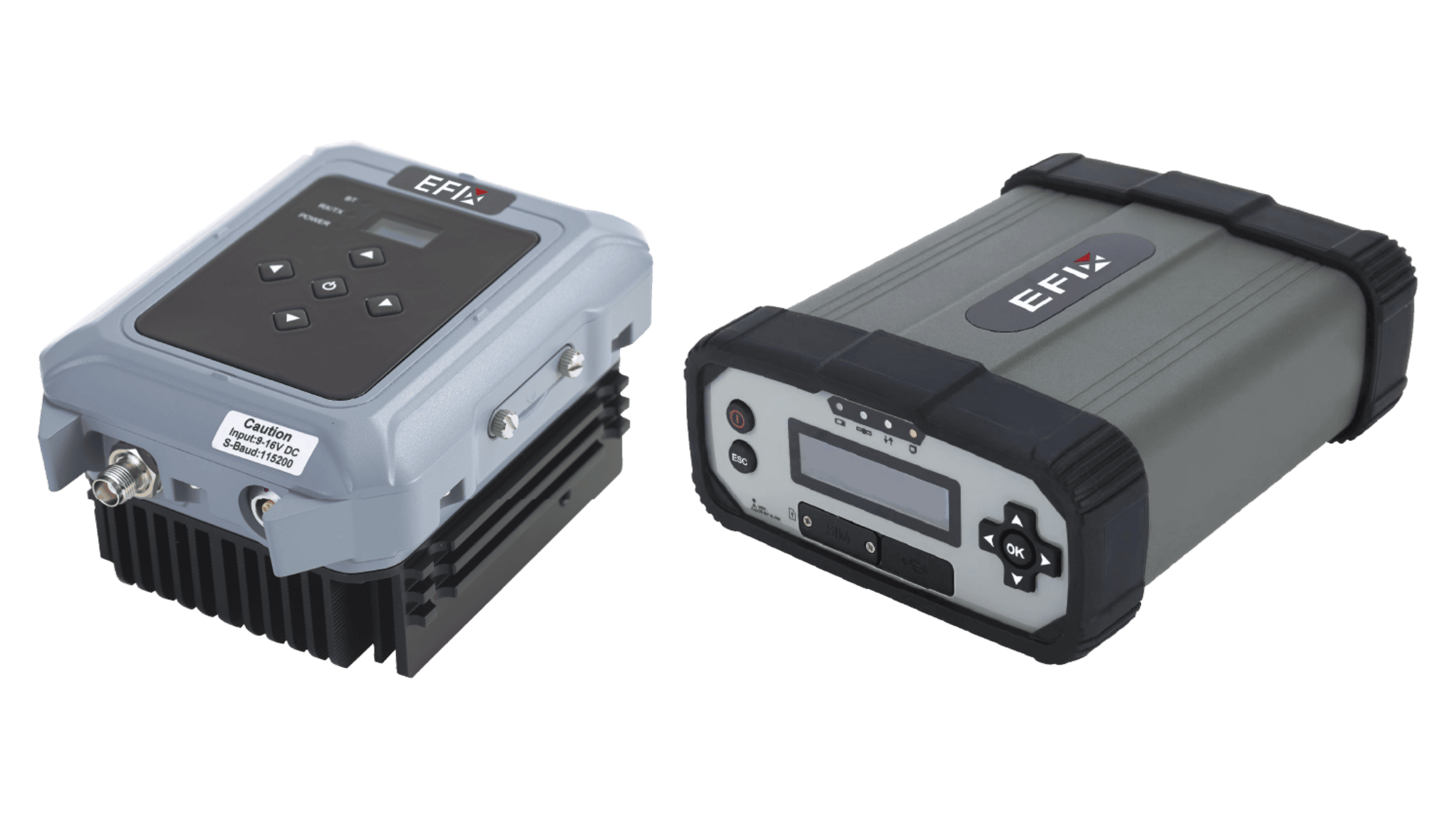
GNSS base stations serve as reference points that enable the correction of satellite signals for enhanced positioning accuracy. Utilizing protocols like CHC and Transparent, these stations can communicate efficiently, thus reducing signal interference and errors. At EFIX, we've recognized the importance of these foundational elements and developed the F-NET Pro, which supports multiple data formats, including CMR and RTCM, to maximize operational efficiency. It is vital for users to understand how these protocols work harmoniously within the structure of GNSS base stations to ensure seamless data flow and accuracy.
Enhancing Accuracy Through Advanced Protocols
Achieving high accuracy is a primary concern for those relying on GNSS base stations. The integration of diverse protocols, such as TT450S, significantly improves the correction capabilities. By facilitating the exchange of critical data formats, F-NET Pro supports a more extensive range of applications, making it an invaluable tool for enhancing positional accuracy. At EFIX, we believe that leveraging these advanced protocols allows users to minimize errors associated with signal propagation and results in more dependable data for surveying, mapping, and navigation.
Coverage and Reliability: Expanding the Reach of GNSS
The coverage offered by GNSS base stations is equally important, as it determines the accessible area for accurate positioning. With the right base station technology, users can extend their operational radius without sacrificing accuracy. The F-NET Pro is designed to support broad coverage while maintaining data integrity through its robust communication capabilities. At EFIX, it is our goal to offer solutions that not only meet current demands but are adaptable for future advancements in technology. Users should consider both accuracy and coverage when selecting the appropriate GNSS base stations for their needs.
Conclusion
Exploring the intricacies of GNSS base stations reveals the pivotal role they play in achieving precise positioning and expansive coverage. Through the support of advanced protocols like those found in the F-NET Pro from EFIX, users can significantly enhance their operational efficiency. It is essential to understand both the accuracy and coverage aspects to make informed decisions in the utilization of GNSS technologies. Investing in this knowledge and technology can pave the way for improved results and stronger applications in various fields.