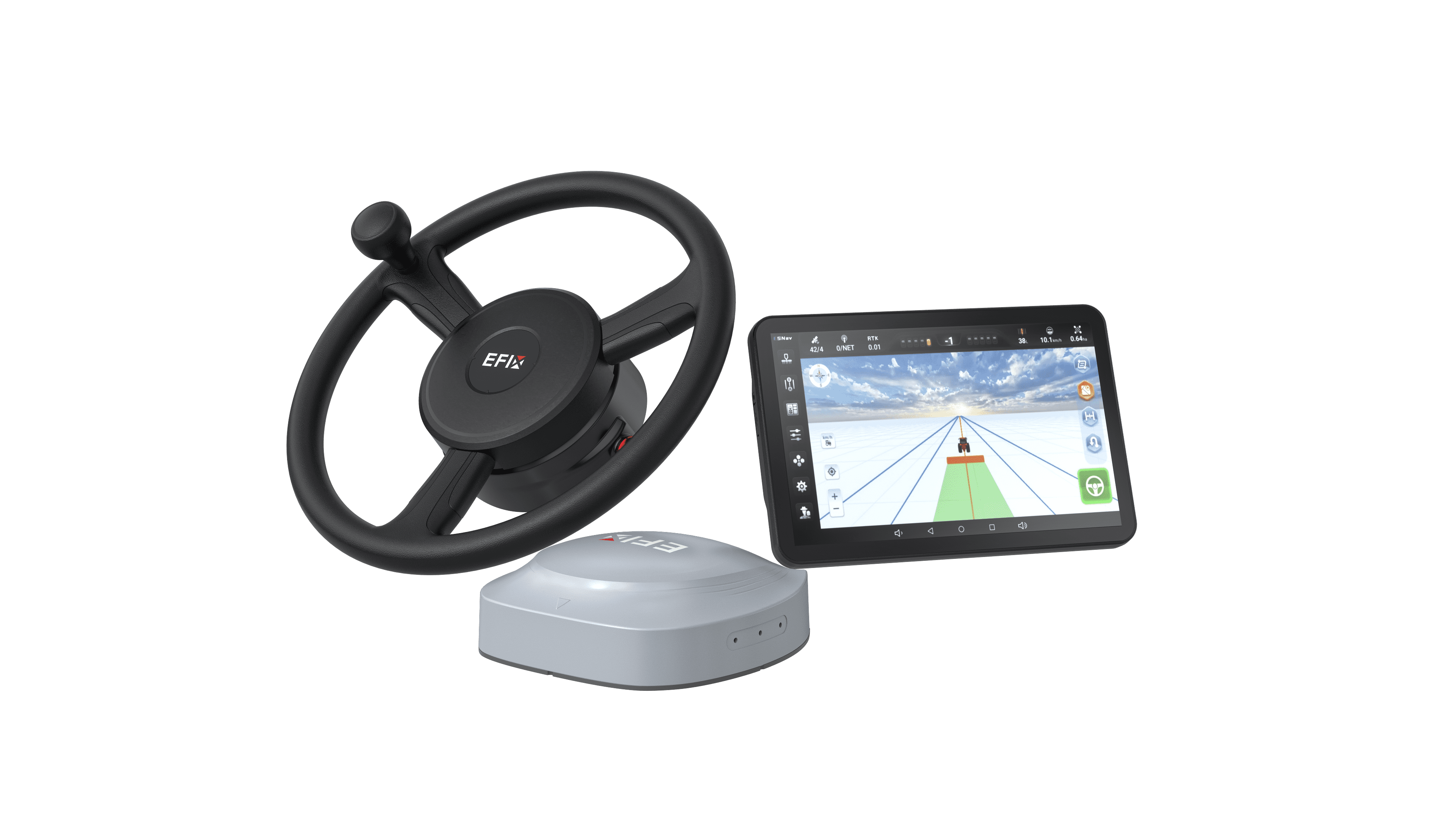
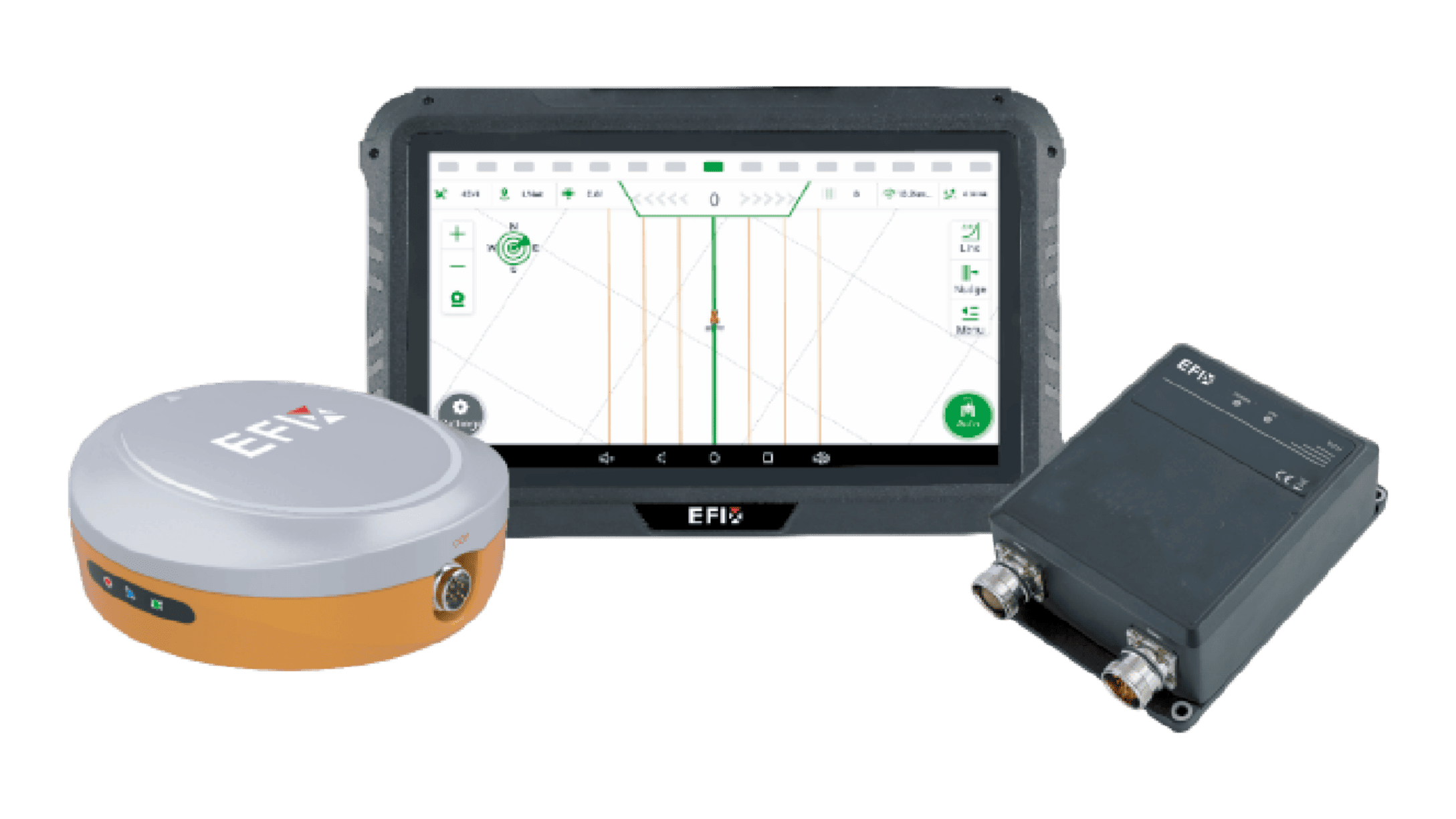
In an era where precision is paramount, GNSS reference stations have emerged as fundamental components in achieving accurate positioning across various industries. Whether surveying land, enhancing mapping accuracy, or aiding in agricultural practices, these stations form the backbone of reliable positioning systems. With advanced solutions like the EFIX F-NET Pro, equipped with robust features to withstand challenging environments, we can explore how these systems simultaneously enhance accuracy and reliability.

The Role of GNSS Reference Stations in Precision Agriculture
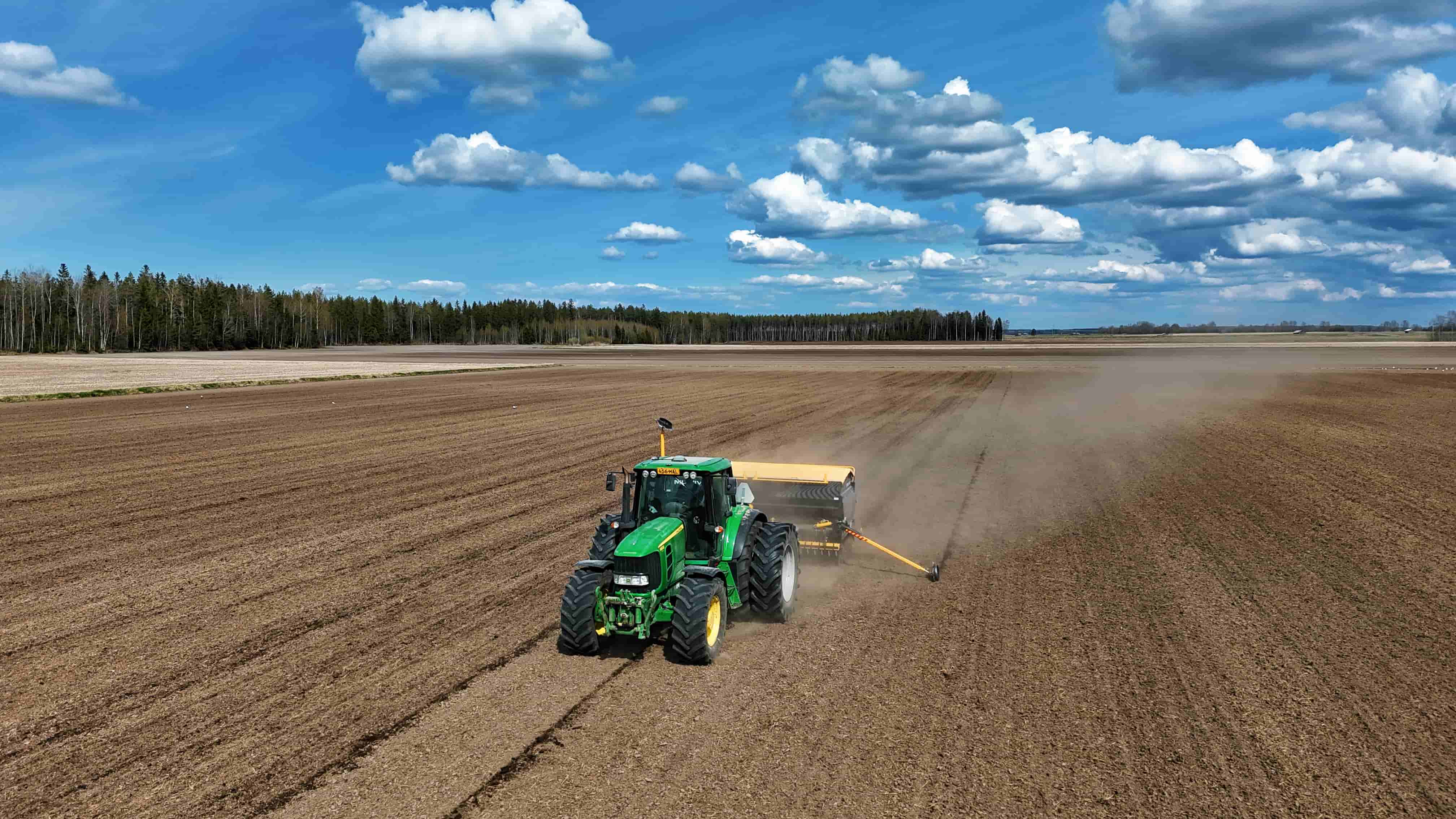
One of the key applications of GNSS reference stations is in precision agriculture. Farmers can maximize yields and minimize resource expenditure through high-accuracy positioning. With systems like those offered by EFIX, such as the FL3 model, which boasts an impressive transmission power of 28W, agriculturalists can receive real-time corrections, allowing for precise control over planting, fertilization, and harvesting operations. The enhanced positioning not only helps in field mapping but also fosters sustainable practices by ensuring resources are used efficiently.
Ensuring Reliability in Surveying and Mapping
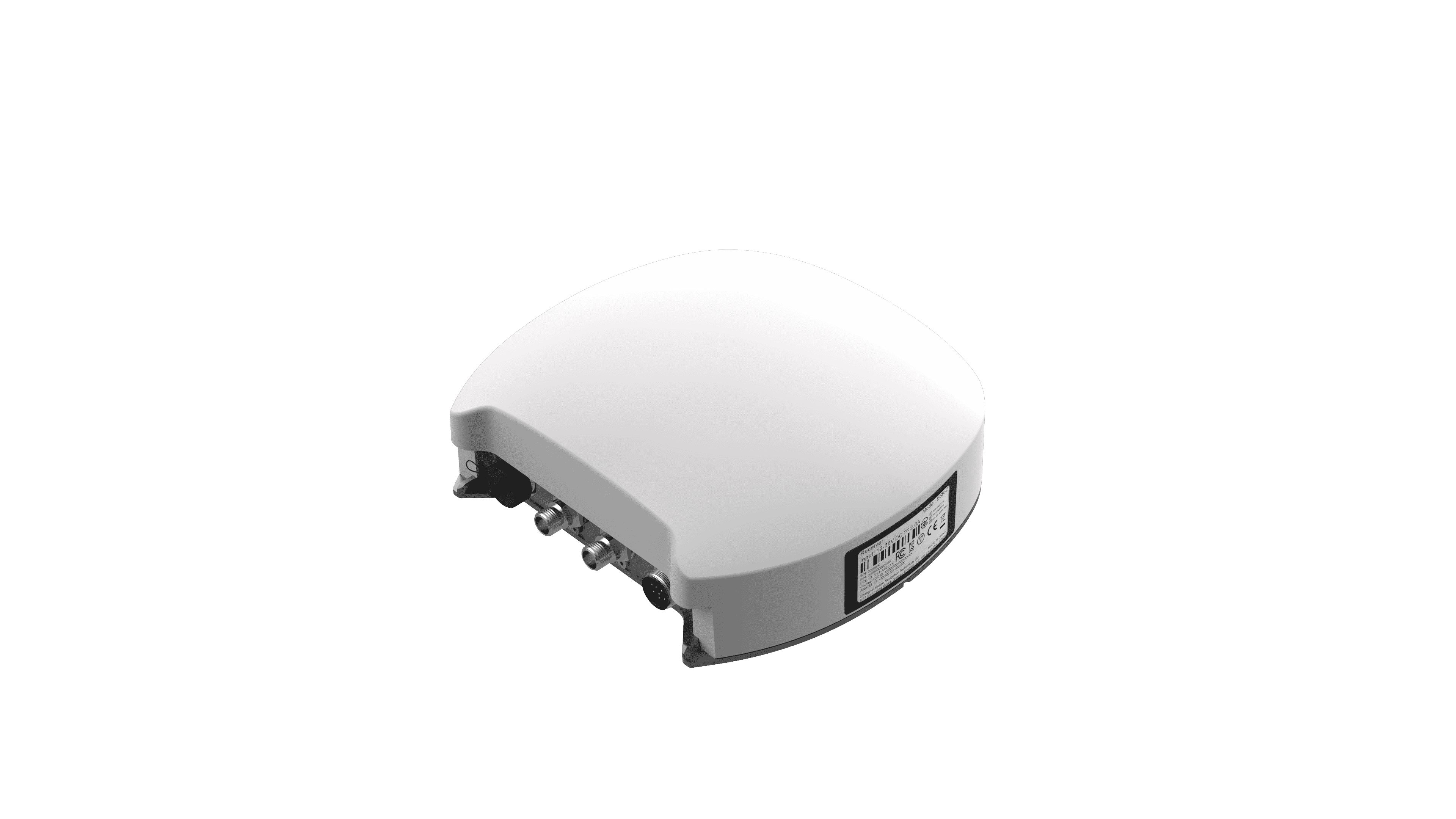
Surveying and mapping are critical fields that demand utmost reliability. The use of GNSS reference stations significantly reduces the margin of error in calculations and measurements. By leveraging systems like EFIX F-NET Pro, professionals can ensure their data maintains high integrity, even in adverse conditions. The rugged IP67 rating of the FL3 model guarantees its resilience against dust and water, allowing surveyors to operate confidently in any environment. With selectable channel spacing at 12.5 kHz or 25 kHz, users can tailor their GNSS experience to suit specific project needs.
Addressing Challenges in Harsh Environments
Operating in harsh environments is often a daunting task for many industries, particularly in construction, mining, and environmental monitoring. This is where GNSS reference stations shine. The EFIX solutions are designed with powerful performance characteristics that withstand both rugged terrains and unpredictable weather. The enhanced reliability and performance of the FL3 allow for uninterrupted data transmission, which is crucial when making critical decisions based on real-time data. Users can depend on the robust technology offered by EFIX to ensure that their positioning solutions remain unaffected by external conditions.
Conclusion
As we explore the impact of GNSS reference stations on various industries, it is evident that these systems significantly enhance positioning reliability. The sophisticated technology of EFIX, particularly through models like the F-NET Pro and FL3, exemplifies how modern solutions can be utilized in demanding applications. By integrating reliable positioning technology, companies can optimize their operations, resulting in improved efficiency and cost-effectiveness. In the fast-evolving world of GNSS technologies, EFIX remains committed to pushing the boundaries of what’s possible in accurate positioning solutions.